WELCOME TO RACHEL’S FICTION WRITING AND REVIEWS BLOG
This is where Rachel keeps you up to date with her novels and stories and also shares reviews, highlights and extracts from other authors.

She Was Almost Written Out of History, But Today, She Takes Back Her Story
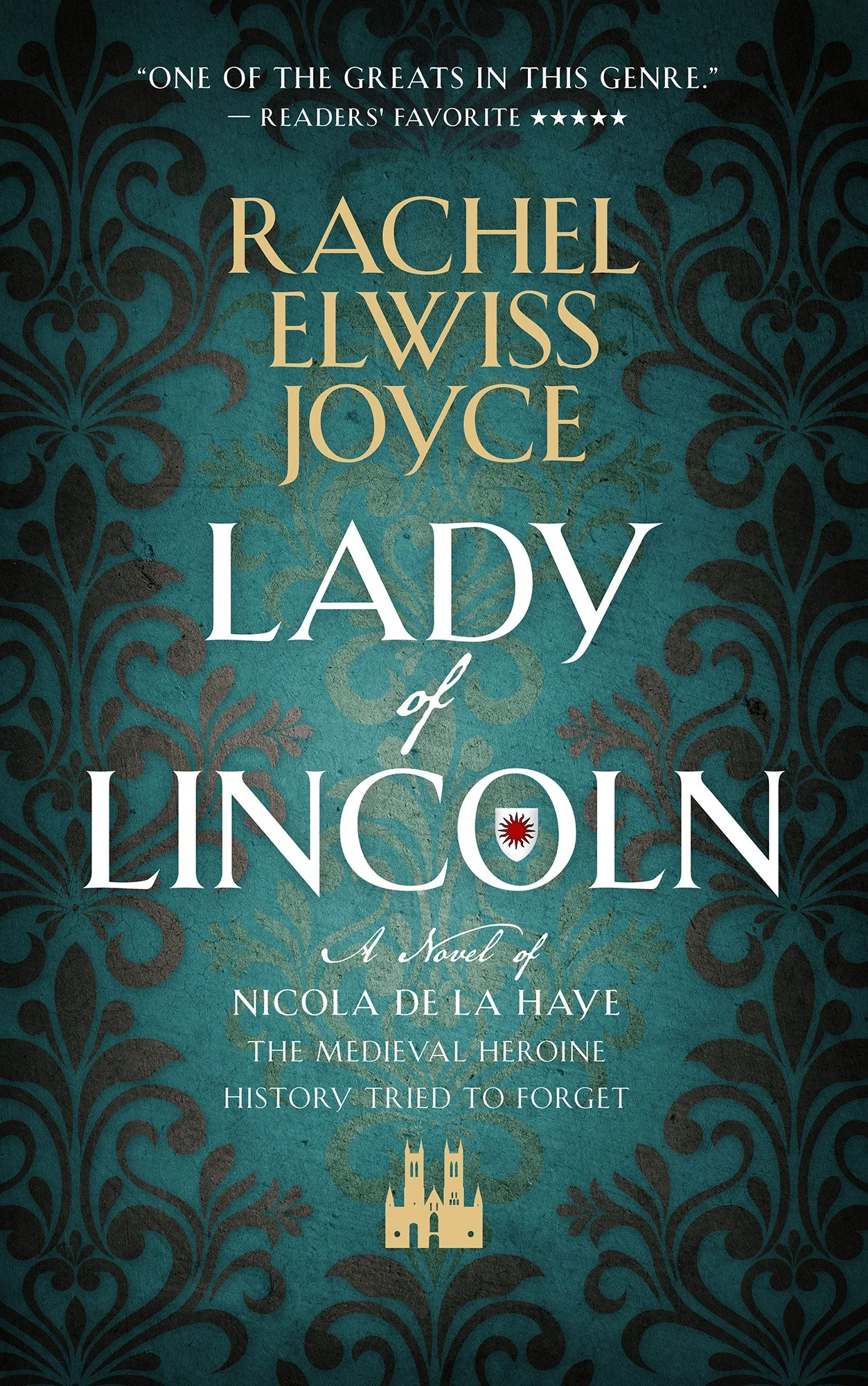
Lady of Lincoln is officially here, and the woman history almost forgot is ready to be remembered.
Today is publication day for Lady of Lincoln, and I won't pretend I'm not emotional. This book, and this woman, has lived in my heart for years.
Nicola de la Haye was real. She inherited Lincoln Castle, commanded a garrison, defied kings, and at nearly seventy years old, held her fortress against the forces of Prince Louis of France in a siege and then a battle that may have changed the course of English history. Without her, England might be speaking French today.
And yet, until now, you've almost certainly never heard her name.
I hope that ends today.
A Michaelmas Announcement: Lady of Lincoln
I am delighted to announce the title of my debut novel:
Lady of Lincoln: A Novel of Nicola de la Haye, a Woman Born to Lead in a Man’s World, a Medieval Heroine History Tried to Forget
This is Book One of my Nicola de la Haye Trilogy, based on the extraordinary life of the castellan of Lincoln—a woman who defied kings, commanded armies, and became one of the most remarkable heroines of medieval England.
The full back-cover blurb will be revealed later, but here’s a teaser glimpse:
Lady of Lincoln tells the true story of Nicola de la Haye, the young noblewoman who inherited Lincoln Castle, braved rebellion and betrayal, and fought to lead in a world that told her she could not.
On this Michaelmas, as the medieval year turned toward winter, I’m excited to turn a new page in sharing Nicola’s story with you.
Stay tuned for the cover reveal, official blurb, and more glimpses into the history behind the novel.

Novel Title Announcement on Michaelmas
In just one week, on Michaelmas (29 September), a day of great significance in the medieval world, I’ll be unveiling the title of my debut historical novel about the formative years of Nicola de la Haye, ‘The Woman who Saved England."‘
It’s a story of castles under siege, dangerous rebellions, and the woman history tried to silence… but who could not be erased.
Stay tuned for the title reveal!
Bloodbath at the Lionheart’s Coronation
We remember Richard the Lionheart as a crusader king, a warrior who fought Saladin, and whose name resounded across Christendom. But for England’s Jews, his reign began in fire and betrayal.
Benedict of York’s story embodies that betrayal. Beaten at the doors of Westminster Hall, baptised by a friend who meant him no harm, denied even a grave among his people, his fate symbolises the peril of being both essential and despised in medieval England.
The Secret Is Out: The Heroine of Rachel’s Upcoming Novel is… Nicola de la Haye
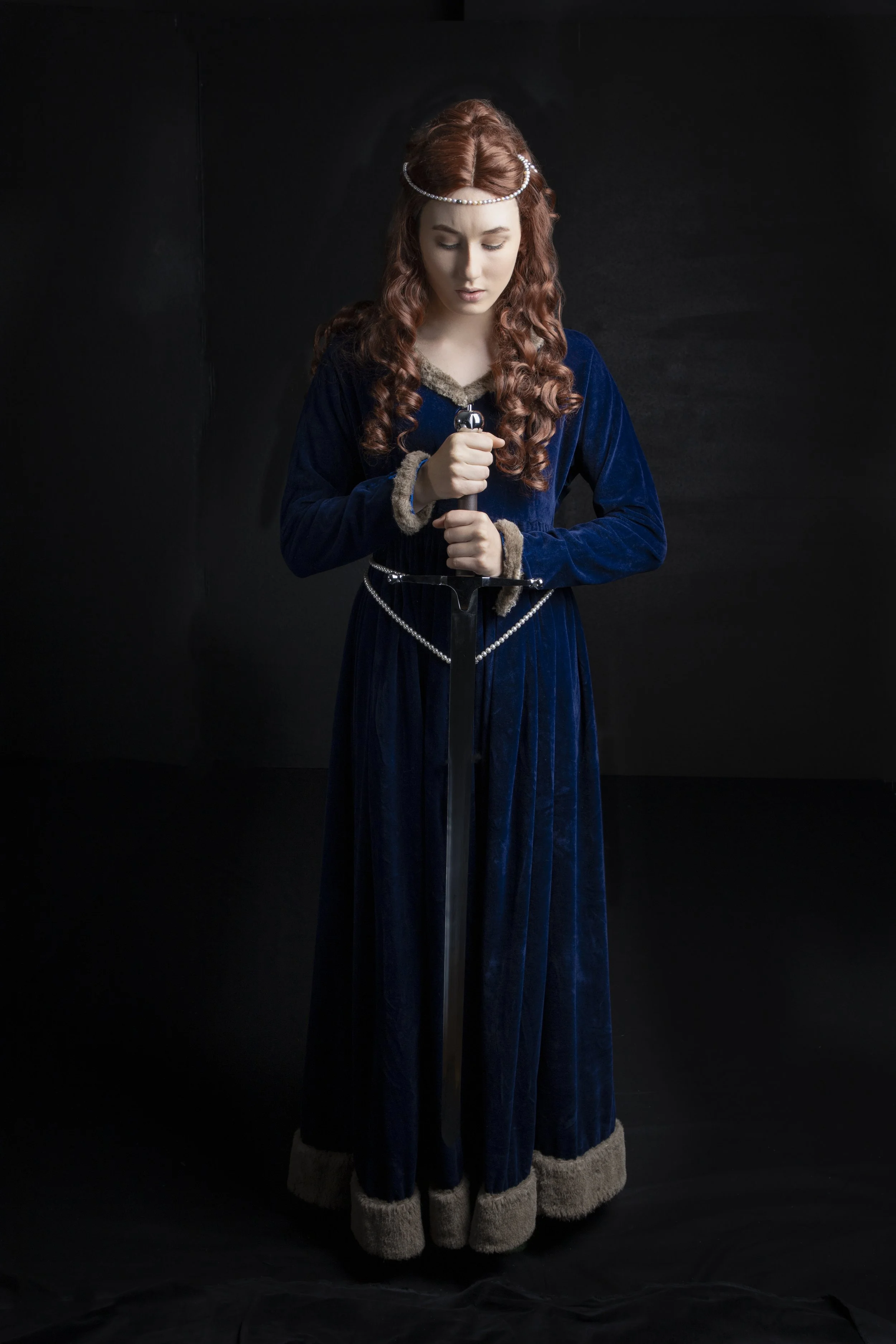
My protagonist is Nicola (Nicholaa) de la Haye: the woman who saved England.
Nicola isn’t a creation of legend or folklore. She was real — a formidable 12th- and 13th-century noblewoman who defied the expectations of her age. She inherited power in her own right, commanded a castle garrison, and twice (at least) defended Lincoln Castle from siege.
Most famously, in 1217, when England teetered on the edge of conquest by Prince Louis of France, Nicola — then nearly seventy years old — refused to surrender her castle. She held the fortress until William Marshal’s army turned the tide in what chroniclers called the Battle of Lincoln Fair (or the Second Battle of Lincoln). Without her, England’s story might have ended very differently.