WELCOME TO RACHEL’S FICTION WRITING AND REVIEWS BLOG
This is where Rachel keeps you up to date with her novels and stories and also shares reviews, highlights and extracts from other authors.

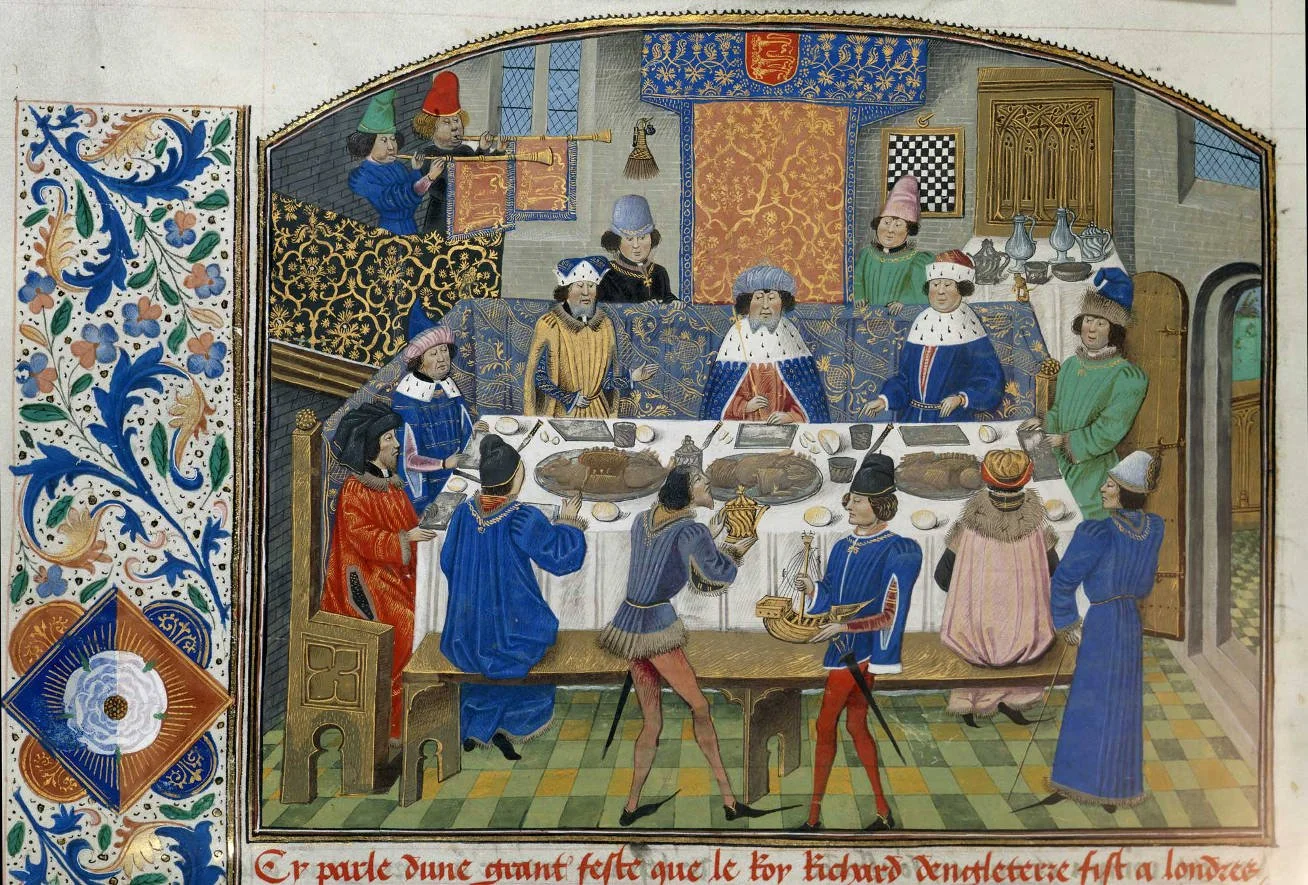
How a Birthday Party at Chinon Kickstarted a Civil War (5 March 1173)
Today is my birthday 😁. And as birthdays go, I could have shared mine with worse people, because 5 March 1133 was also the birthday of Henry II of England, born at Le Mans, one of the most formidable rulers medieval Europe ever produced.
Henry II’s Birthday was 5th March
Soldier, lawgiver, empire-builder, father of eight legitimate children (and countless illegitimate ones), and a man whose family would become both his greatest weapon, his biggest headache, and eventually most spectacular downfall.
Which makes today a good day to talk about what happened on his fortieth birthday, in 1173. Because that evening a feast was held at Château de Chinon. The great hall would have been ablaze with candlelight and Henry, thinking he’d managed to control his spoiled, entitled (but courteous and generous) namesake son, allowed the goblets to be repeatedly refilled by his son’s own hand.
The drunkenness that followed led to everything that followed: the Great Rebellion, where Henry’s family were torn apart, and his throne would never feel secure again.
This event, and the Great Rebellion itself, runs through the heart of my novel Lady of Lincoln.
Eleanor of Vermandois
In the shadowed corridors of twelfth-century French history stands a woman whose story has been largely forgotten—Eleanor of Vermandois (c. 1148–1213). Born into one of medieval Europe's most controversial families, Eleanor's life was marked by political intrigue, personal tragedy, and remarkable resilience as she navigated a world where powerful men controlled women's destinies.
If you're planning to read my popular, and currently free, historical novella Eleanor's Revenge, the first section of this post is spoiler-free, introducing Eleanor and her family background. Further down, after a clear spoiler warning, I delve into the full dramatic arc of her life.
A Scandalous Beginning
Eleanor's very existence was rooted in scandal. Her parents' marriage in 1142 triggered one of the most notorious affairs of the medieval period. Her father, Raoul I, Count of Vermandois, was the powerful seneschal of France and cousin to King Louis VII. Her mother, Petronilla of Aquitaine, was the younger sister of the legendary Eleanor of Aquitaine, who would become Queen of both France and England.
Their love story began at the French court around 1141, when Petronilla met the much older, married Raoul. With her sister's encouragement and the king's approval, Raoul secured an annulment from his first wife, Eleanor of Blois, on dubious grounds of consanguinity. Three compliant bishops—one of whom was Raoul's own brother—officiated at Raoul and Petronilla's wedding in early 1142.
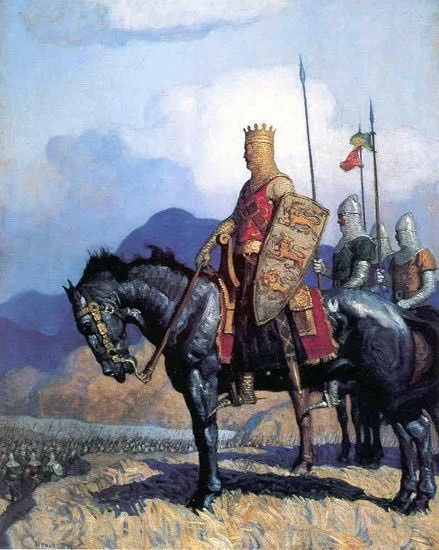
Richard the Lionheart at Sixteen: the Making of a Warrior Duke
In 1173, a boy of sixteen took his first step onto the stage of war. His name was Richard, Duke of Aquitaine, though he had yet to earn the epithet Lionheart.
Before he became the crusader-king of legend, before his songs and sieges, Richard was a restless teenager thrust into the most dangerous political storm of the twelfth century: the Great Rebellion against his father, King Henry II.
It was a rebellion born of pride, family betrayal, and the impossible weight of expectation. And it was here — amid defeat, shame, and fire — that the making of a warrior began.
A Son in His Mother’s Shadow
Richard was Eleanor of Aquitaine’s favourite son, and in many ways her reflection: intelligent, impulsive, proud. Born in Oxford but raised in the cultured courts of Poitiers and Bordeaux, he was steeped in his mother’s world of poetry and politics. By his mid-teens he could compose in Occitan, debate theology in Latin, and command a hall full of barons — yet he was still a boy in a man’s game.
In 1172, Henry II had forced Eleanor to surrender the duchy of Aquitaine to her teenage son, intending to bind the region more tightly to the English crown. But Aquitaine was Eleanor’s inheritance, her life’s work, and Richard was fiercely loyal to her. The gift was both a promotion and a trap: the young duke found himself governing a proud and fractious land, surrounded by lords twice his age and loyalty only thinly pledged.
When the rebellion of 1173 began, Richard stood between two worlds — son of a king, heir to a duchy, and caught between the two towering figures who defined his destiny.
Medieval Succession: When Henry II’s Empire Imploded
When Succession first aired, audiences were transfixed by its portrait of a modern dynasty at war with itself: scheming heirs, a manipulative patriarch, and a fortune vast enough to make loyalty negotiable. But centuries before Logan Roy was terrifying his children in glass-walled boardrooms, another ruthless family feud was playing out across medieval Europe.
In 1173, the most powerful man in Christendom—King Henry II of England—faced a rebellion led not by rivals or barons, but by his own wife and sons. Chroniclers called it the Great Rebellion; historians often dub it the Revolt of the Eaglets, after the young “eagles” who turned on the parent bird.
And just like in Succession, the real question was: who inherits the empire?

Eleanor of Aquitaine: Queen, Duchess, and Mother of Rebels
When their sons grew to manhood, Eleanor encouraged them to demand their inheritance. Henry the Young King, Richard, and Geoffrey wanted lands to rule; Henry II refused. In 1173, when the princes fled to France, Eleanor supported them. Chroniclers later claimed she disguised herself as a man to join them—an image that has haunted legend ever since.
Her rebellion failed. Henry II’s forces captured her later that year while she travelled through Poitou. For the next sixteen years she was kept under guard, a queen turned prisoner. Yet even captivity could not erase her influence: her sons would continue to fight in her name.