Leonor by Catherine Mathis
a GUEST POST BY THE AUTHOR

Leonor by Catherine Mathis
Today I’m delighted to be hosting Leonor by Catherine Mathis on the Coffee Pot Book Club blog tour. Catherine has written a guest post on the political background to the novel, but first, more about the book.
BOOK DESCRIPTION
A queen’s ambition. A kingdom on the edge. One woman’s hunger for power will set Portugal ablaze—unless she’s devoured first.
Portugal, 1367. The court is a powder keg, and Leonor Teles de Meneses is the spark. Born noble, married off for duty, Leonor aches for more—freedom, passion, a place at the heart of power. Her wit is sharp, her enemies sharper. Her king? He’s both lover and battleground.
As the crown changes heads and alliances shift like sand, Leonor fights for a voice in a world that wants her silent. She’s hemmed in by jealous sisters, a mother-in-law from hell, and a husband who’d rather write poetry than rule. But when the king’s eye lands on her, the stakes soar. Now, every whispered rumor, every stolen glance, every calculated risk could mean everything—or nothing.
Palace intrigue, forbidden love, and betrayal pulse through every corridor. In this world, trust is a luxury, and secrets are currency. Leonor’s choices will tip the scales of dynastic conflict and decide the fate of a kingdom hungry for an heir.
If you crave the courtly drama and rich detail, get ready to lose yourself in a tale of ambition, desire, and survival—where every move could be your last.
Universal Buy Link: https://books2read.com/u/4E5RKA
Guest Post by the Author
Leonor is set between the years 1367 – 1384, with a brief closing chapter in 1405.
Portugal is a fully independent country at peace with substantial reserves in the Treasury when Ferdinand is acclaimed king in February 1367. In this time, we are in the middle of the long conflict between England and France known as the Hundred Years’ War (1337-1453). In the Iberian Peninsula, Castile predominately sides with France, while Portugal aligns with England. What the Iberian Peninsula brings to the main combatants is sea power with more vessels and a deep knowledge of ocean travel. Castile and Portugal play a lesser role in the conflict though it affects their trade flows.
In 1376, the Black Prince, the face of England’s military might and heir to the English throne, dies. A year later his father, Edward III, will die, leaving the young Richard II to become king. In 1381, 14-year-old Richard II will ride out to parlay with the leaders of Wat Tyler’s Rebellion aka The Peasants’ Revolt, a signal mark of courage. The recent movie release, The Uprising, examines The Peasants’ Revolt. In the novel, we find Queen Leonor curious about how England is handling a minor as ruler since the sole heir to Portugal’s crown is her daughter, the Infanta Beatriz, a three-year-old. Portugal’s ally is ruled by a child, though his powerful and wealthy uncle, John of Gaunt is one of two key regents. It is an unsettling time.
In 1309, a pope whose origin was France moved the Papacy from Rome to Avignon. In 1377, following the guidance of a mystic nun, later Saint Catherine of Siena, Pope Gregory transfers the papacy back to Rome. Gregory is the last of the seven popes of the “Avignon Papacy.” His death in 1378 leads to the Great Schism. Upon Gregory’s death, a pope is elected in Rome, and another in Avignon. Briefly, there will even be three popes.
Christian faith and the belief in an eternal life including the concepts of Purgatory and Hell are widely held. A pope would excommunicate the entire populace of a country should the king side with the other pope. For most, though not all, of this time, Portugal supported the pope that their ally (England) would choose. Sometimes the expedience of matters required them to change popes. You can only imagine if your eternal soul was dependent on your support of the ‘correct’ pope, what is the average person to do?
In Portugal, Ferdinand is the ninth king of the Burgundian dynasty having succeeded his father, King Pedro. When Pedro died he left behind three other sons and a daughter. Queen Inês (as Pedro saw her) bore two of the sons, João and Dinis, who were legitimized by Pedro. The youngest, also a João, was born of a common woman and remained a ‘natural’ heir (aka a bastard). This youngest son, just ten when his father dies, is already the titular Master of Avis. As Ferdinand assumes his reign, the elder João is one of his chief advisers.
Next door in Castile the situation is far messier. King Afonso XI was married to Maria of Portugal (sister of King Pedro I of Portugal). The couple had one surviving son, Pedro, known as the Cruel, and we’ll call him Peter to separate him from his cousin, Portugal’s King Pedro I.
King Peter ascends the throne in 1350 and has two daughters of a mistress he claimed as a wife.
Peter’s father Alfonso XI also had a mistress he loved beyond reason, Eleanor de Guzmán. Eleanor bore Alfonso XI ten children, all bastards and half-siblings of King Peter. The two eldest bastards of Alfonso XI are the twins Enrique and Fadrique. Enrique rebels against King Peter at the instigation of his mother, Eleanor. It is a bloody civil war. One night, Enrique traps King Peter, murdering him. He seizes the throne, beginning the Trastámara dynasty.
If one is so inclined, he/she can work their way back through the dynastic trees of Portugal and Castile to see that King Ferdinand of Portugal was the last legitimate male and thus theoretically eligible to take the crown of Castile. The central problem is the size and depth of the Castilian army and geography combined with a disinclination to have a Portuguese man as king of Castile. Three times, Ferdinand will launch war against Castile in attempts to take the crown he claims. The English will send military support to Ferdinand. The French send a superior number of trained archers and men to support Enrique in Castile. Ferdinand is unsuccessful though the conquest of Castile remains a guiding goal of his rule of Portugal.
Over the course of Ferdinand’s and Leonor’s reign in the novel, the one important issue is an heir. Only their daughter Beatrice is living as King Ferdinand has bouts of illness. Not to spoil the novel, I will end here.
AUTHOR BIO
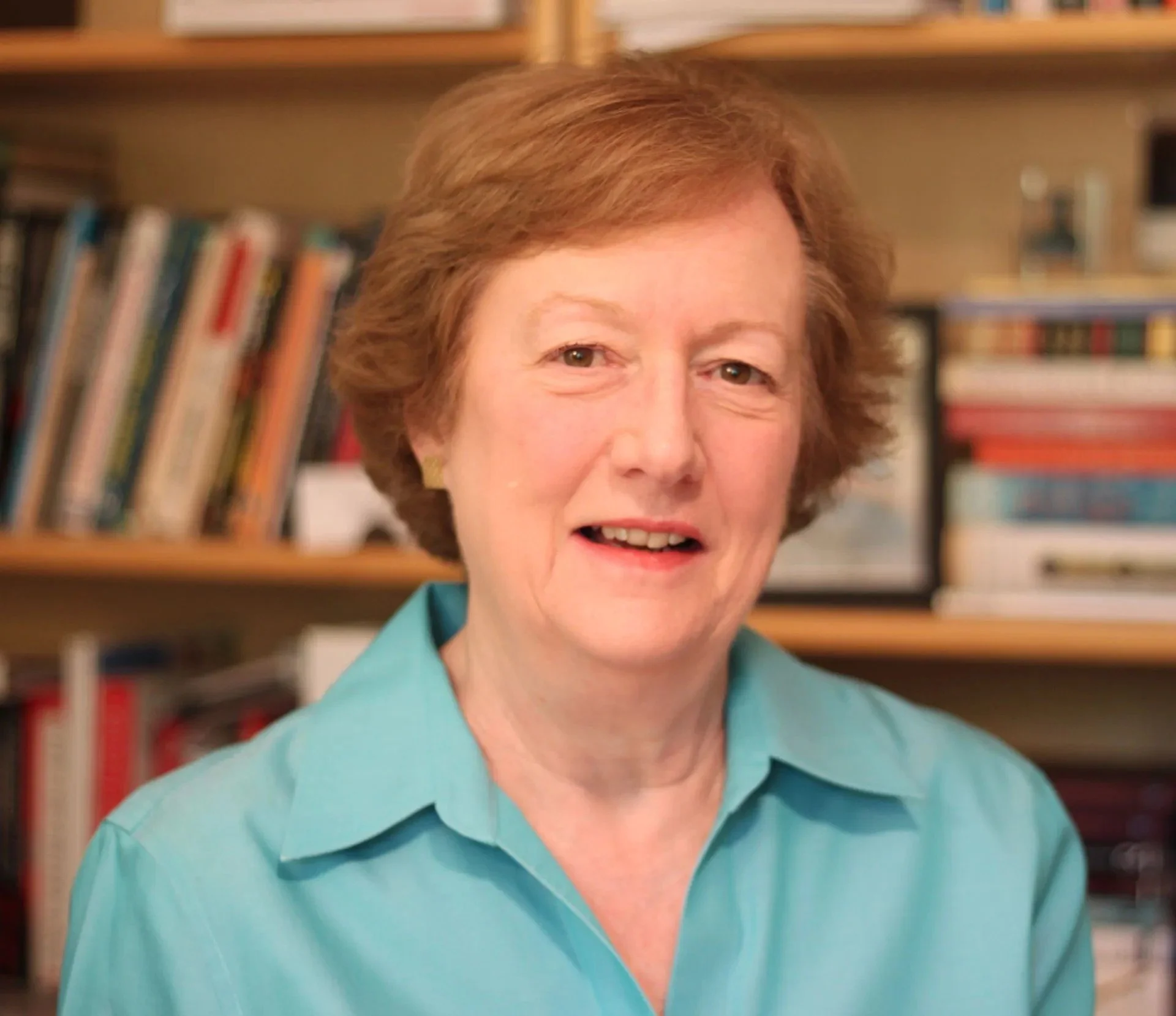
Catherine Mathis Author
Catherine Mathis writes stories set in medieval Portugal, bringing legends to life by sharing Iberian Tales.
Mathis was born in Berlin, the daughter of an American spy. She grew up in the Washington, D.C. area. She self-funded her degree from Sewanee, majoring in history with a medieval focus, and she had a career in finance.
Travel brought her the opportunity to return to an earlier love of all things Middle Ages, both as a writer and a reader.
Author Links
Website: https://www.catherinemathis.com/
Facebook: https://www.facebook.com/profile.php?id=100007239702480
Amazon Author Page: https://www.amazon.com/stores/Catherine-Mathis/author/B0F7FZHJ9T
Goodreads: https://www.goodreads.com/author/show/6987876.Catherine_Mathis
Simon & Schuster Author Page (They are the distributor, not publisher): https://www.simonandschuster.com/authors/Catherine-Mathis/259410463