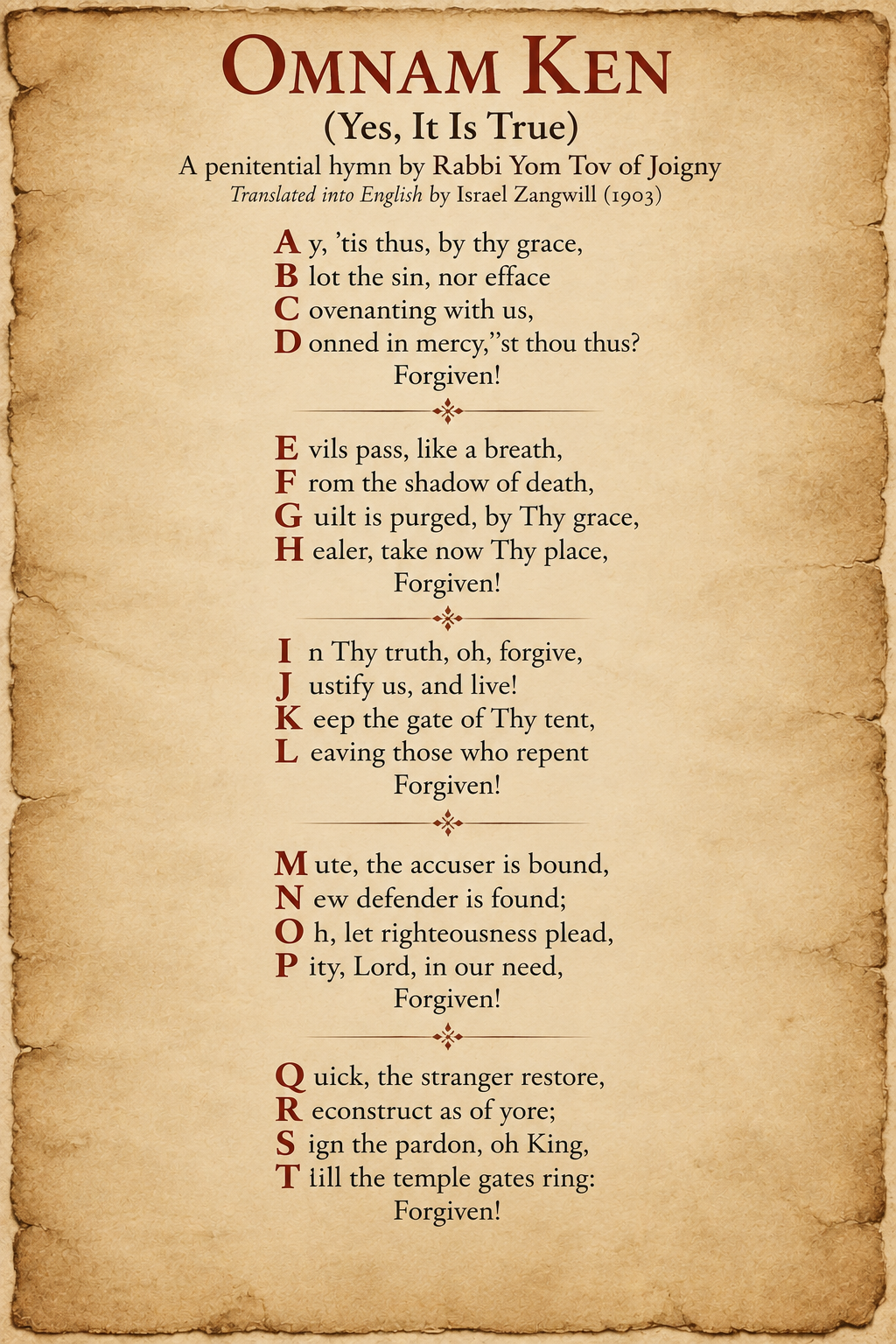
The Prayer That Outlived Him: Rabbi Yom Tov of Joigny (and York)
During the High Holy Days, a prayer written more than eight hundred years ago is still recited on Yom Kippur. Its author, Rabbi Yom Tov of Joigny, died with York's Jewish community in 1190. Centuries later, his prayer returned to Clifford's Tower..
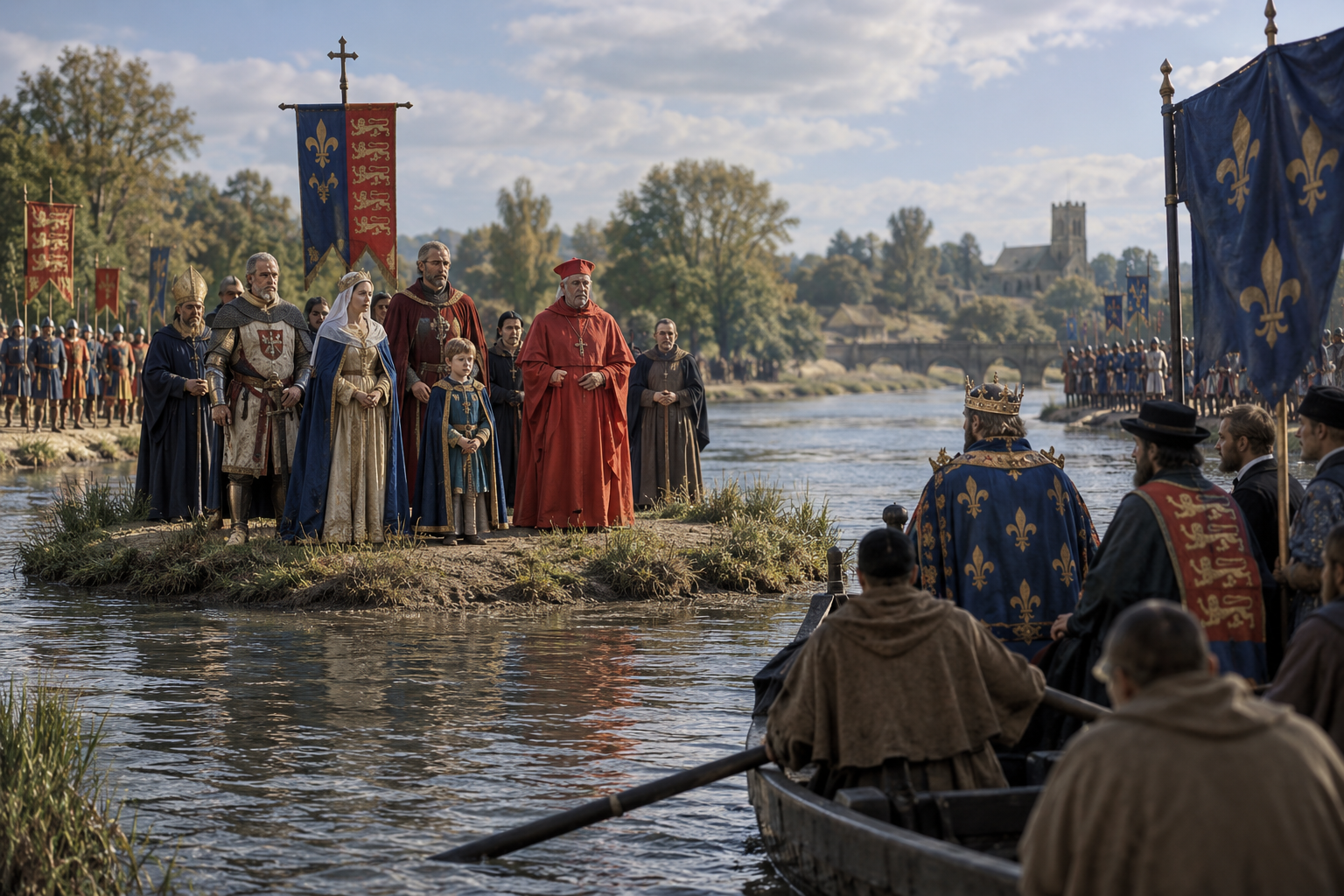
The Treaty of Lambeth, 1217
In September 1217, a series of negotiations brought one of the most extraordinary episodes in English history to an end.
A French prince had been proclaimed King of England. Much of the country had fallen into his hands. King John was dead, his heir was nine years old, and England had been fighting a civil war in which English barons stood on both sides.
But by the end of September, Prince Louis of France had renounced his claim to the English throne and was preparing to leave the country.
The settlement is usually known as the Treaty of Lambeth. And one of the events that made that peace possible had taken place four months earlier, at Lincoln Castle, where Nicola de la Haye had refused to surrender.
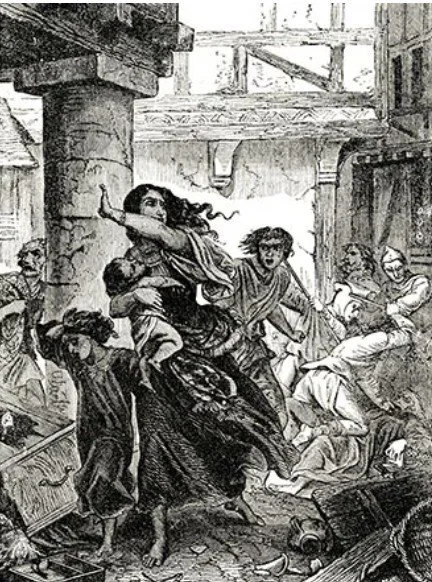
Bloodbath at the Lionheart’s Coronation
We remember Richard the Lionheart as a crusader king, a warrior who fought Saladin, and whose name resounded across Christendom. But for England’s Jews, his reign began in fire and betrayal.
Benedict of York’s story embodies that betrayal. Beaten at the doors of Westminster Hall, baptised by a friend who meant him no harm, denied even a grave among his people, his fate symbolises the peril of being both essential and despised in medieval England.
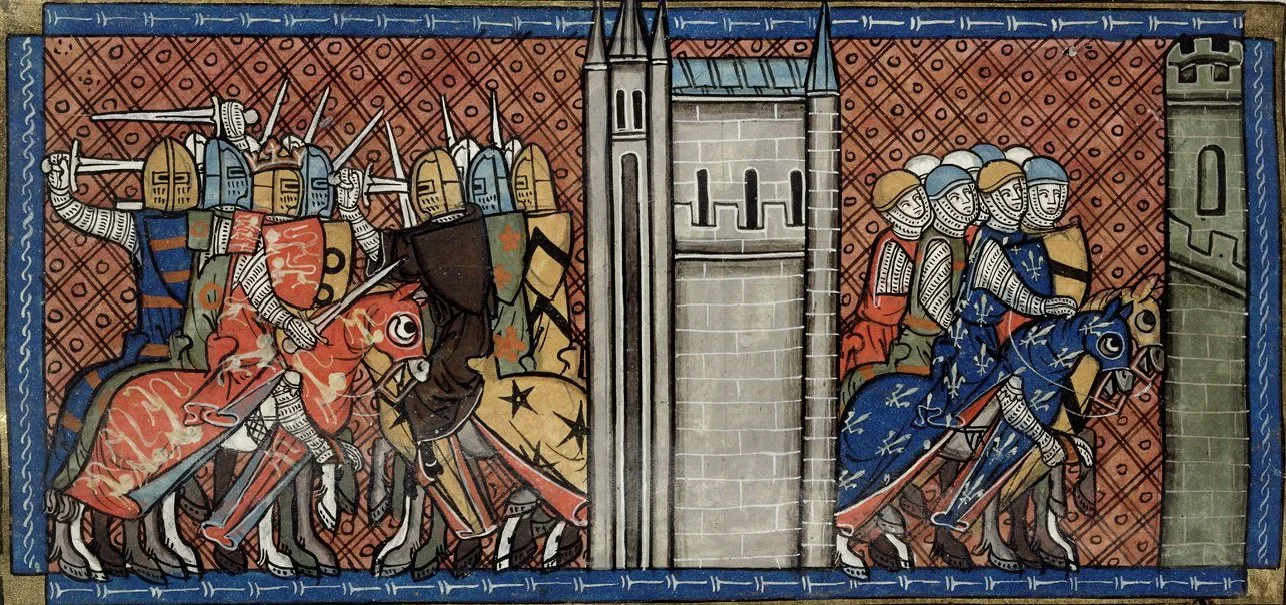
Magna Carta Day: The Meadow Where a King Was Made to Yield, and the Woman Who Saved It from Ruin
Magna Carta was not born in a peaceful ceremony, but in a tense meadow surrounded by armed men, suspicion, and civil war. On Magna Carta Day, explore the real drama of Runnymede, King John’s tyranny, and the forgotten role of Nicola de la Haye — the woman who helped save England and Magna Carta itself.
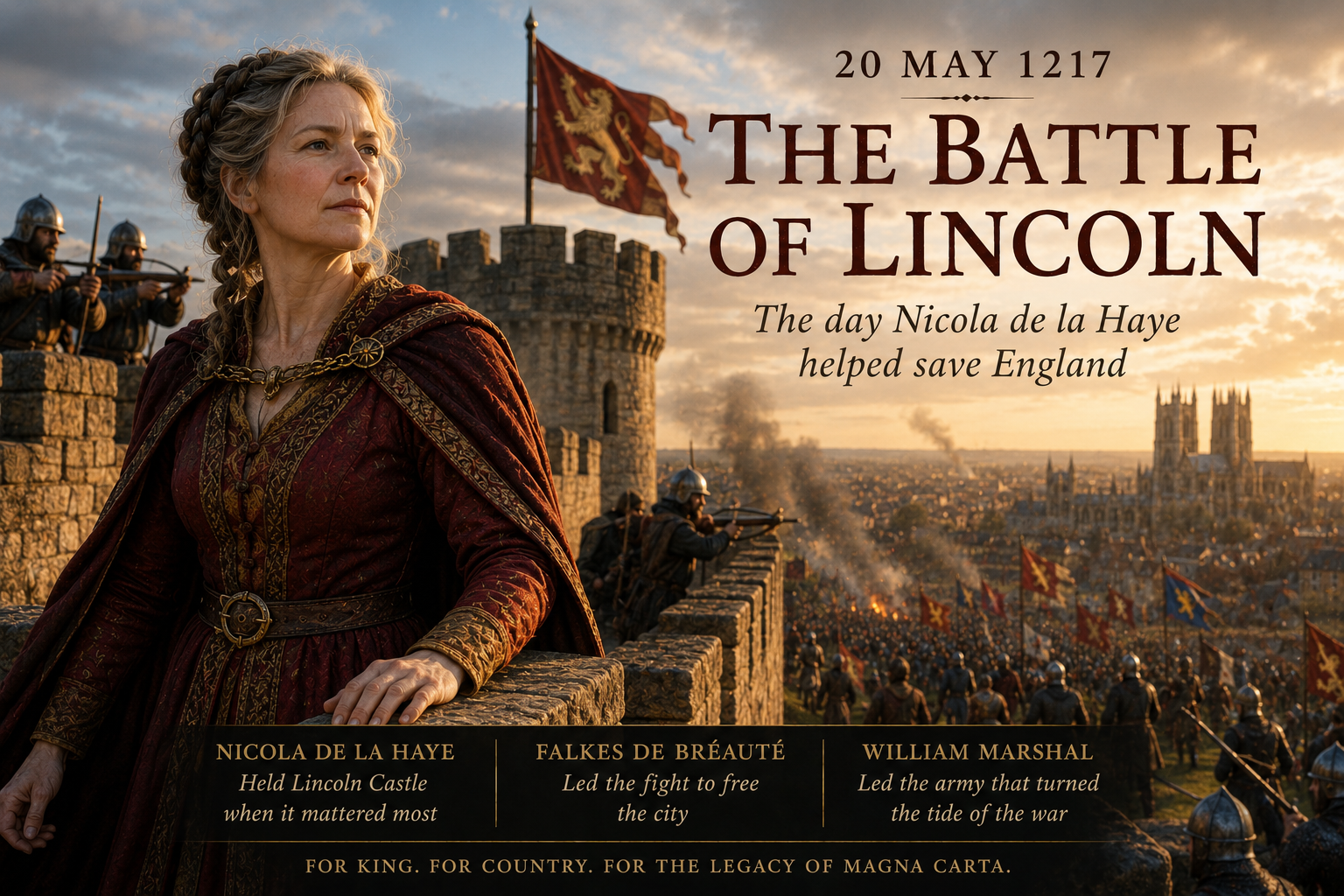
Battle of Lincoln 1217: The Woman Who Held the Castle That Saved England
The Battle That Nearly Erased England
On 20 May 1217, the fate of England came down to one woman holding a battered castle against a French invasion. It's a story that should be far better known — and on its 808th anniversary, it deserves to be told properly. It's also the story at the heart of my novel Lady of England, the third book in my Nicola de la Haye trilogy, which will be published late 2026/ early 2027.
By the spring of 1217, the situation for the nine-year-old King Henry III looked desperate. King John was dead. Prince Louis of France had landed with an army, rebel English barons had welcomed him to London, and much of the south-east had fallen. The Plantagenet dynasty appeared to be finished. Three fortresses still flew Henry's colours: Dover, Windsor – and Lincoln Castle.
Lincoln Castle was held by a woman.
"The Woman Who Saved England": Who Was Nicola de la Haye?
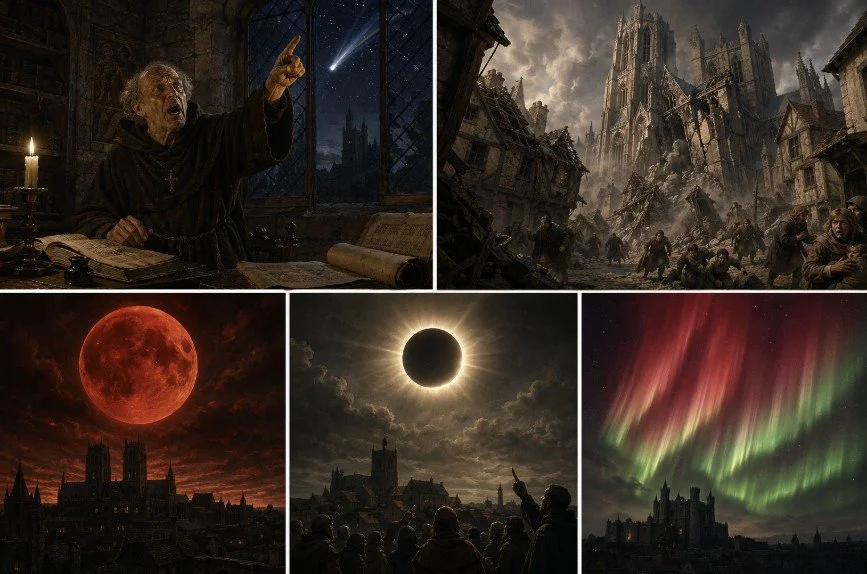
The Sky is Falling! Halley's Comet, the Bayeux Tapestry, and the Four Portents in ‘Lady of the Castle’
On This Day in History, 1066 and the Terrible Portents in Lincoln, 1185
In the spring of 1066, something extraordinary blazed across the English night sky. For several weeks, a brilliant comet hung over England, visible even in daylight, trailing a luminous tail that stretched across the heavens like a wound in the fabric of the world. People stopped in the streets to stare at it. Monks recorded it in their chronicles. Kings, it was whispered, trembled.
They were right to. Within months, Harold Godwinson was dead, the last Anglo-Saxon king of England had fallen at Hastings, and a Norman duke sat upon the English throne. Whether the comet caused any of this is, of course, a question for a different kind of historian. But what it meant — that, the medieval mind had no doubt about whatsoever.
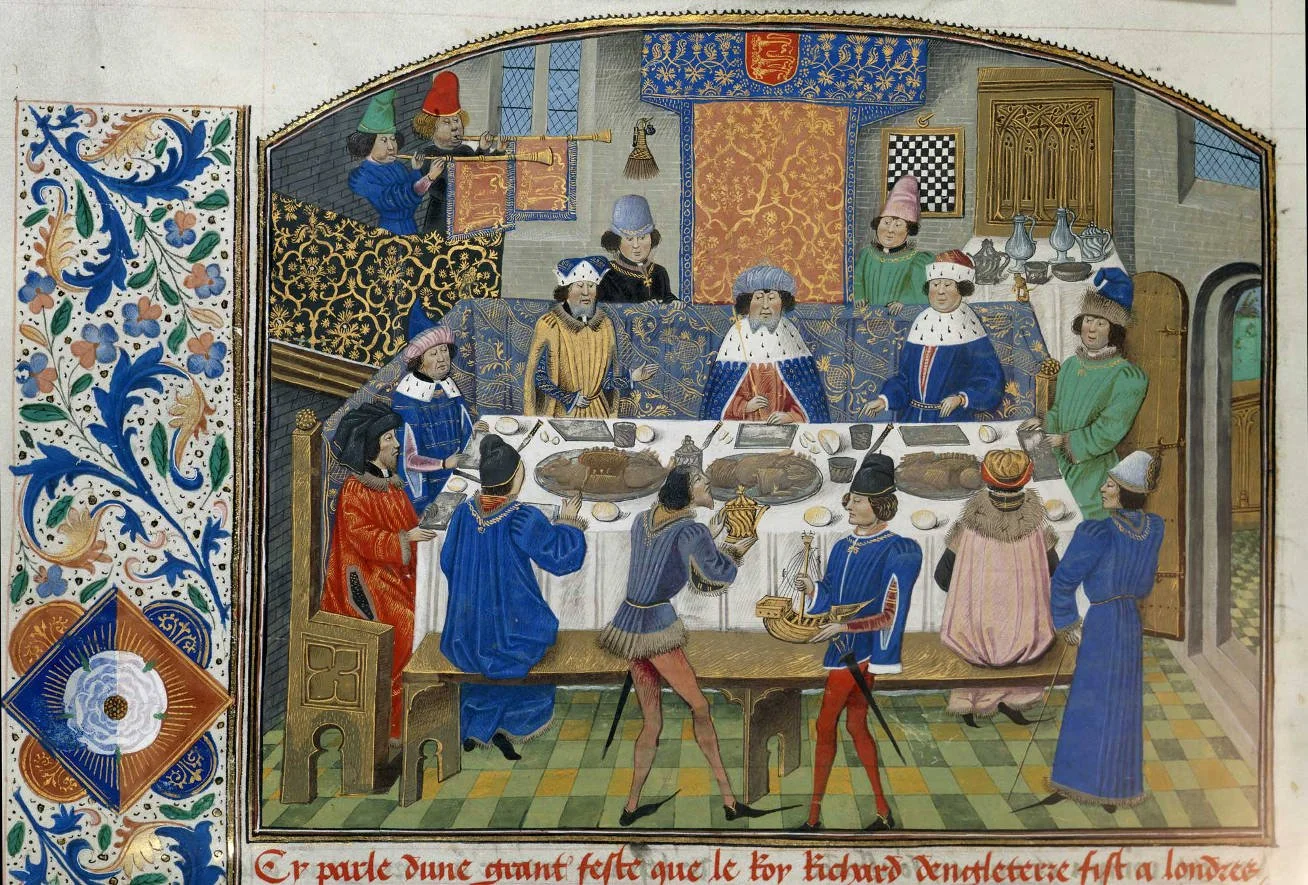
How a Birthday Party at Chinon Kickstarted a Civil War (5 March 1173)
Today is my birthday 😁. And as birthdays go, I could have shared mine with worse people, because 5 March 1133 was also the birthday of Henry II of England, born at Le Mans, one of the most formidable rulers medieval Europe ever produced.
Henry II’s Birthday was 5th March
Soldier, lawgiver, empire-builder, father of eight legitimate children (and countless illegitimate ones), and a man whose family would become both his greatest weapon, his biggest headache, and eventually most spectacular downfall.
Which makes today a good day to talk about what happened on his fortieth birthday, in 1173. Because that evening a feast was held at Château de Chinon. The great hall would have been ablaze with candlelight and Henry, thinking he’d managed to control his spoiled, entitled (but courteous and generous) namesake son, allowed the goblets to be repeatedly refilled by his son’s own hand.
The drunkenness that followed led to everything that followed: the Great Rebellion, where Henry’s family were torn apart, and his throne would never feel secure again.
This event, and the Great Rebellion itself, runs through the heart of my novel Lady of Lincoln.
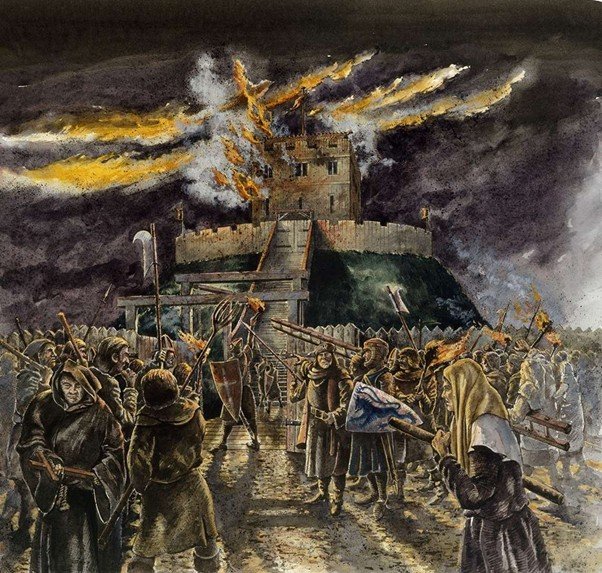
The York Massacre, 16 March 1190: On this Day in History
When England turned on its Jewish communities, and what happened when a few brave souls refused to look away
On the night of 16 March 1190, around 150 Jewish men, women, and children huddled inside a wooden tower in York Castle. Outside, a mob—some of them the city's most respectable merchants and noblemen—bayed for their blood.
By morning, almost all of them were dead.
They hadn’t committed any kind of crime, but they’d been trapped, besieged, and given a choice: forced baptism or death.
Most chose death on their own terms.
It remains one of the darkest episodes in medieval English history, and one that haunted me throughout the writing of Lady of the Castle, my upcoming historical fiction novel, the second in the Nicola de la Haye series.
The Wave of Violence
The York massacre didn’t come out of nowhere. It was the bloodiest peak of a wave of anti-Jewish violence that had been building since the accession of King Richard I in 1189. When Richard was crowned, riots broke out in London and quickly spread north—to Norwich, Stamford, King's Lynn, Lincoln, Bury St Edmunds, and York.
The causes were tangled together: religious prejudice inflamed by crusading fervour, resentment of Jewish moneylenders by nobles drowning in debt, and the age-old power of conspiracy and rumour to transform neighbours into enemies.
In some places, royal authority held. In others, it collapsed entirely.
The Dead Beneath Norwich
A medieval depiction of the persecution of Jews
We don't only know about this violence from chronicles and court records.
In 2004, construction workers digging the foundations for a shopping centre in central Norwich broke through into a medieval well. At the bottom, they found seventeen people. Six adults. Eleven children, aged roughly two to fifteen.
The bodies had been thrown in head-first. The adults had landed first, cushioning the children’s fall. Because the skeletons showed no signs of trying to break a fall, researchers concluded the victims were already dead when dropped in. All seventeen appeared to have been deposited in a single event, their bodies still complete and intact, placed in the well shortly after death.
The well lay just south of what had been Norwich’s medieval Jewish quarter. Radiocarbon dating placed the deaths between 1161 and 1216—a range that includes the recorded massacre of Norwich’s Jewish community on 6 February 1190, when, according to the chronicler Ralph de Diceto, men heading for the Crusade attacked Jewish homes before leaving the city.
DNA analysis of six of the individuals, published in 2022, confirmed what the location and circumstances had long suggested: they were almost certainly Ashkenazi Jews. Four of the six were related to each other. Three of them were sisters—the youngest between five and ten years old. A toddler boy, probably between infancy and three years of age, likely had blue eyes and red hair.
Three sisters. A red-haired toddler. Thrown into a well in the dark, and forgotten for eight hundred years.
She Didn't Wait for Permission
International Women's Day asks us to celebrate the women who refused to accept the limits placed upon them. Who pushed back. Who led. Who endured. And every year, we tend to look to the recent past — to suffragettes, trailblazers, and glass-ceiling-breakers of the modern era.
But what about the women who did all of that eight hundred years before anyone thought to name it?
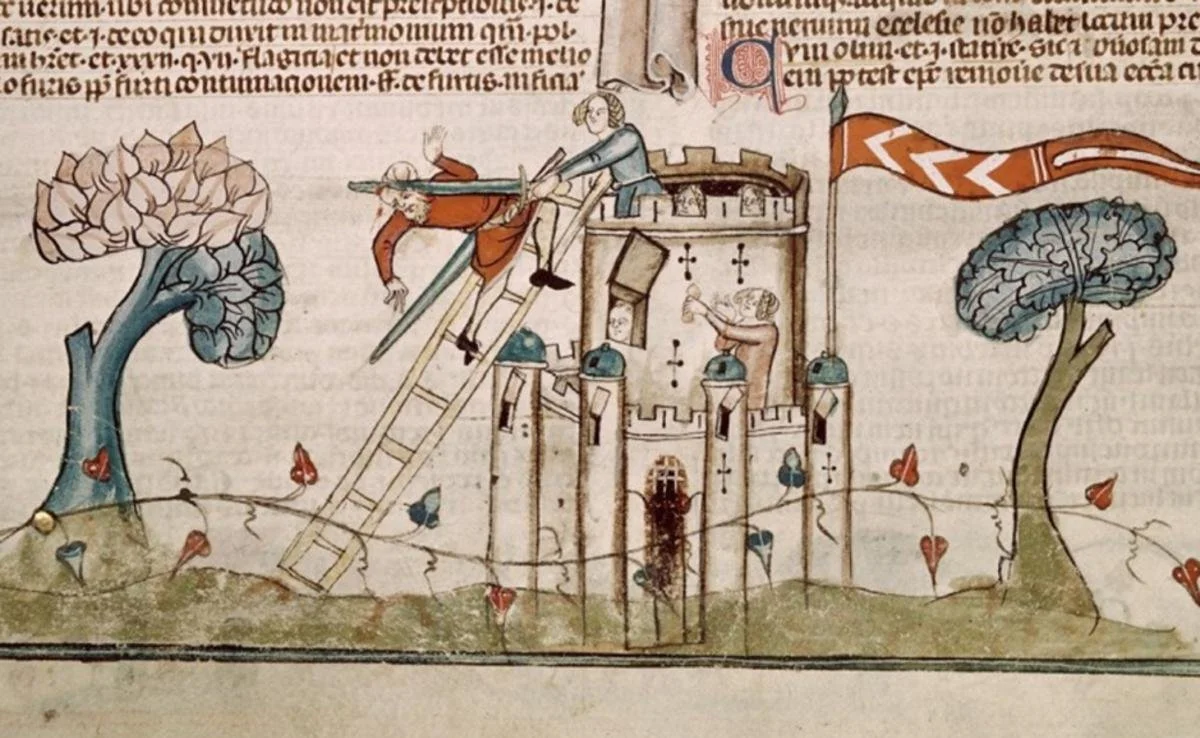
Meet Nicola de la Haye. Sheriff of Lincolnshire. Castellan of Lincoln Castle. The woman who, in 1217, successfully defended one of England's most strategically vital fortresses against a French-backed rebel army: at the age of approximately seventy. She didn't wait for permission, and she didn’t expect plaudits: because no one was going to give it.
What the Twelfth Century Said Women Were
The medieval world had very clear ideas about women's place in society, and those ideas were enforced from pulpit, court, and custom alike. Women were considered intellectually weaker than men, legally subordinate to their fathers and husbands, and spiritually suspect - daughters of Eve, prone to temptation and manipulation(!!!). Church fathers and contemporary writers were emphatic on the subject. Women should be silent, obedient, and invisible in public life.
I've explored just how relentless and inventive that misogyny was in my medieval misogyny series, including a look at the men who competed, with some enthusiasm, for the title of Worst Villain to Women of the 12th Century. It's a crowded field.
What Nicola de la Haye Actually Did
Nicola inherited the hereditary castellanship of Lincoln Castle from her father, and she held it through two marriages, through political upheaval, through sieges and civil wars, and with a grip that no one could prise loose. She administered justice, she negotiated with kings, defied a rogue justiciar who threatened the kingdom whilst Richard the Lionheart was on crusade, and she commanded garrisons and organised castle defences - incredibly well.
When King John's reign collapsed into civil war and a French prince threatened to take the English throne, Nicola was the one defending Lincoln.
She was also, at various points, told she was too old, too female, and too inconvenient. She resigned her position as castellan (constable), but was promptly reappointed, because no one else could do it as well as she could.
And one of King John’s last acts was to make her the first female sheriff in England - Sheriff of Lincoln.
This is the woman at the heart of my novel Lady of Lincoln: not a fictional heroine invented to fit a modern template, but a real woman whose story has simply been waiting to be told.
A Rat, a Skull, and a Murder That History Never Solved
On This Day: The Death of William Longespée, Third Earl of Salisbury. 7th March 1226
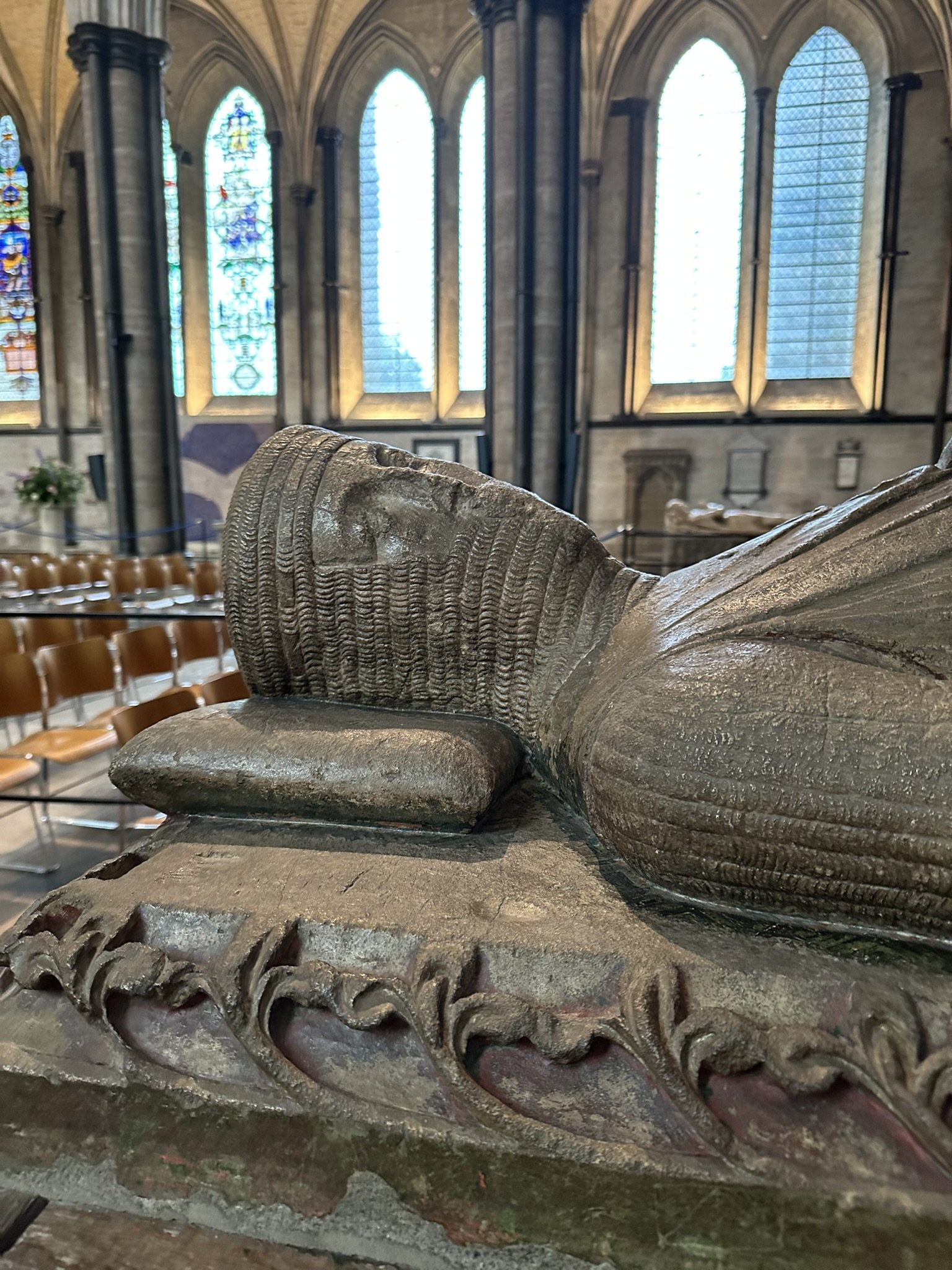
William Longespée’s Tomb at Salisbury Cathedral
When they opened the tomb, they found a rat. And not just any rat, but a dead one, curled inside a man's skull, centuries after both had gone into the dark. And when investigators ran the chemical analysis, the results sent a chill down historians’ spines.
Arsenic.
This is the story of William Longespée, Earl of Salisbury: soldier, crusader, half-brother to a king, and the death that eight hundred years of history has never been able to explain.
The King's Bastard Who Rose to Power
Born around 1176 as the illegitimate son of King Henry II, Longespée had no business becoming one of the most powerful men in England. But he did.
Through marriage to Ela of Salisbury, he became Earl and acquired one of the great titles of the realm. But he didn't coast on it; he fought, he commanded, and he mostly won.
His military career contained at least two moments that changed the course of history.
The Destruction of the French Fleet
In May 1213, King Philip II of France was massing an invasion fleet near the port of Damme, in what is now Belgium. The ships stretched across the harbour; hundreds of vessels, loaded with supplies, troops, and the ambition to bring England to its knees.
Longespée led the English fleet across the Channel to meet them.
What followed was less a battle than a systematic destruction. The English found the French fleet largely undefended as many of the ships sat at anchor with skeleton crews while the main force was raiding inland. Longespée's men fell upon them, seized what they could carry, and burned much of the rest.
It was one of the most decisive naval actions of the entire medieval period, and Philip's planned invasion collapsed. England, which had looked dangerously exposed, was suddenly safe.
Longespée had just saved the kingdom, and was hailed a hero.
He did it again four years later.
In 1217, with the young Henry III barely clinging to his throne, a French prince was being supplied and reinforced by sea. Longespée commanded the English fleet at the Battle of Sandwich, intercepting the French supply convoy in the Channel and destroying it with ruthless efficiency.
The strategy was brutally effective. Without reinforcement, the French campaign collapsed, and Henry III kept his throne.
His success (and probably his arrogance) meant he made enemies; powerful ones, in high places.
The Enemy You Already Know
One of those enemies was Nicola de la Haye; the indomitable castellan of Lincoln Castle, the woman who held the city against all odds and shaped the fate of England. But Nicola and Longespée were not allies. They were rivals, moving through the same treacherous political landscape from opposite sides.
It went further than politics. Longespée held the wardship of Nicola's granddaughter, Idonea. He’d essentially bought her wardship and betrothal to his son from John when she was captured during the Baron’s Revolt.
In the medieval world, controlling a child's wardship meant controlling their future, their inheritance, their marriage prospects. It was power over everything that mattered.
Nicola was not happy. What happens between them next is covered in the third novel in my Nicola de la Haye series, Lady of England.
A Storm at Sea. Then Something Worse.
In early 1226, Longespée's ship was wrecked.
He survived, battered, exhausted, exposed to the sea, and made his way to Salisbury. It was the obvious explanation when he fell ill shortly afterwards and died: a man weakened by shipwreck, a body pushed past its limits; the kind of death that happened all the time in the thirteenth century.
On 7 March 1226, he died.
His body was carried into the new cathedral at Salisbury, which was still rising from the water-meadows, still smelling of fresh stone and lime, and buried with the honours due an earl.
A model of Salisbury Cathedral still under construction, as it was when Longespée was buried there
But the rumours started almost immediately.
The Poison Rumours
William Longespée may well have been murdered by Hubert de Burgh with arsenic
The official verdict was illness, but the unofficial verdict was murder.
Suspicion gathered around Hubert de Burgh, the formidable royal justiciar who had long tangled with Longespée in the brutal politics of Henry III's court. In a world where power changed hands fast and rivals had everything to gain, poisoning wasn't paranoia. It was a reasonable fear.
But there was no proof. The rumours circulated, faded, and were eventually filed away under unsolved.
Then, in 1791, during a major reordering of Salisbury Cathedral, the tomb was opened.
The Rat and the Skull
When Longespée’s tomb was opened, an eerie detail emerged: a rat skeleton trapped inside the earl’s skull. Later testing revealed arsenic in the rat’s bones, giving chilling new life to the medieval whispers that the great earl had been poisoned.

Warrior Monks on the Lincolnshire Heath
Stand on the open heathland six miles north of Sleaford, and you can still feel it: the particular silence of a place that once held great power. (Well, actually not that silent, the birdsong in the hedgerows was almost deafening when I went there).
A single limestone tower rises above the farmyard, weathered but still standing tall, its spiral staircase worn smooth by eight centuries of footsteps.
This is Temple Bruer: the most important Knights Templar preceptory in England outside London, and a place that has fascinated me ever since I began researching the medieval world of Nicola de la Haye.
The Saxon Secret to Avoiding a Bad Ruler
What if the worst rulers in English history didn't have to happen?
Bad kings - the weak, the cruel, the catastrophically incompetent - weren't inevitable. They were the consequence of a system that handed the most powerful job in the kingdom to whoever happened to emerge from the right womb in the right order!
Primogeniture, succession by (male) birth order, gave England Edward II, whose personal failings and political incompetence ended in his deposition and probable murder. It gave England Richard II, whose erratic tyranny triggered a constitutional crisis and cost him his throne. It gave England Henry VI, whose mental collapse plunged the country into thirty years of civil war. These weren't accidents of fate. They were what happens when a system prioritises birth order over every other human quality.
But before the Normans locked this system in place, the Anglo-Saxons did something far more interesting.
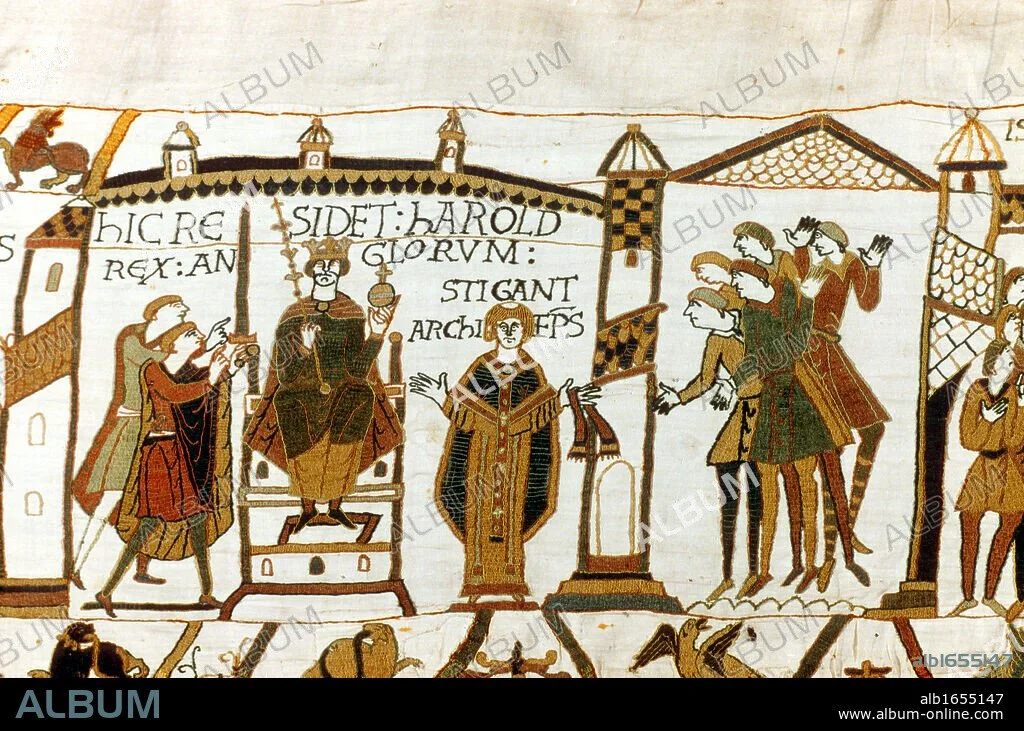
The Aetheling System: Choose the Best, Not the First
Friday the 13th Superstitions?
Forget black cats and broken mirrors—those superstitions came centuries later. Here's what people in Nicola de la Haye's time actually feared on an unlucky day.
The Evil Eye Was Everywhere
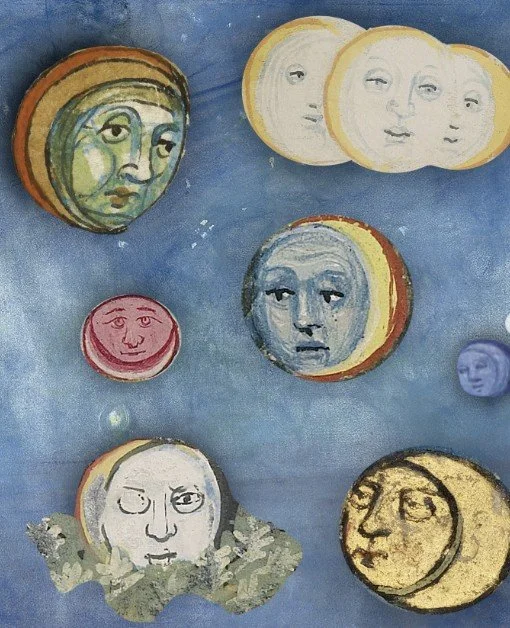
In 12th-century England, an envious glance could literally kill you. People believed that jealous or malicious looks could cause illness, spoil crops, curdle milk, or even bring death. The wealthy were particularly vulnerable—their success made them targets for envious stares. Protective charms, prayers, and amulets were essential accessories, not fashion statements.
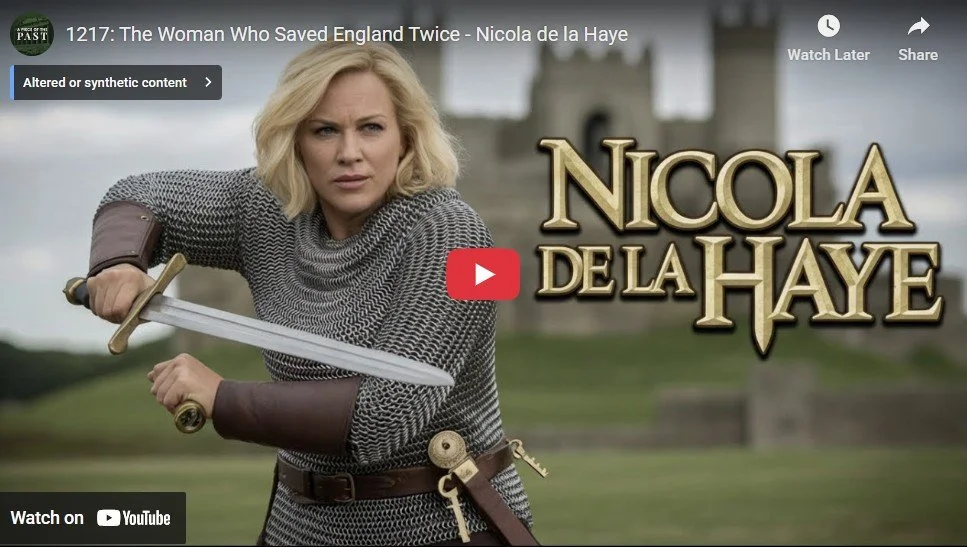
Nicola de la Haye
The inspiration of Brienne of Tarth, Nicola de la Haye saved England twice. Watch the video below and discover the legend. (Spoilers alerts!).
And when you’ve finished, it’s time to find out more about the medieval heroine, the world she lived in, the corrupt men she had to deal with, and how the medieval badass sorted them all out!
Buy the first book in the Nicola de la Haye series, Lady of Lincoln, here.
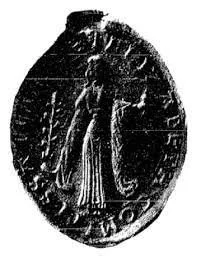
Eleanor of Vermandois
In the shadowed corridors of twelfth-century French history stands a woman whose story has been largely forgotten—Eleanor of Vermandois (c. 1148–1213). Born into one of medieval Europe's most controversial families, Eleanor's life was marked by political intrigue, personal tragedy, and remarkable resilience as she navigated a world where powerful men controlled women's destinies.
If you're planning to read my popular, and currently free, historical novella Eleanor's Revenge, the first section of this post is spoiler-free, introducing Eleanor and her family background. Further down, after a clear spoiler warning, I delve into the full dramatic arc of her life.
A Scandalous Beginning
Eleanor's very existence was rooted in scandal. Her parents' marriage in 1142 triggered one of the most notorious affairs of the medieval period. Her father, Raoul I, Count of Vermandois, was the powerful seneschal of France and cousin to King Louis VII. Her mother, Petronilla of Aquitaine, was the younger sister of the legendary Eleanor of Aquitaine, who would become Queen of both France and England.
Their love story began at the French court around 1141, when Petronilla met the much older, married Raoul. With her sister's encouragement and the king's approval, Raoul secured an annulment from his first wife, Eleanor of Blois, on dubious grounds of consanguinity. Three compliant bishops—one of whom was Raoul's own brother—officiated at Raoul and Petronilla's wedding in early 1142.
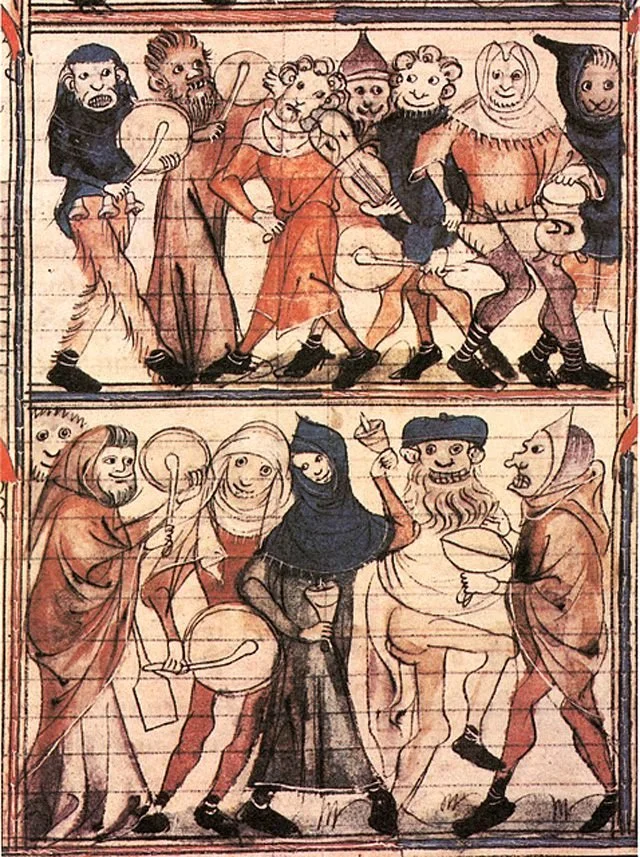
Medieval New Year's Eve: When Chaos Was the Point
Forget champagne at midnight and awkward renditions of "Auld Lang Syne." Medieval New Year's was an entirely different beast, and honestly? It sounds way more fun.
Across Europe, the turning of the year wasn't just a date on the calendar. It was a full-blown excuse to flip everyday life on its head, stuff your face with roasted meat, and generally behave in ways that would make your local priest extremely nervous.
The Feast of Fools: Your Annually Scheduled Revolution
The Festival of Fools
Picture this: It's January 1st in a medieval town. The lowly church clerks and regular townsfolk have just elected a "Pope of Fools." They're parading through the streets in ridiculous costumes, possibly drunk, definitely making a mockery of sacred rituals. There's dancing. There's dice rolling during church services. Someone's definitely cross-dressing. It's absolute pandemonium.
Welcome to the Festum Fatuorum—the Feast of Fools.
What started as cheeky bits of playacting during Christmas church services eventually spiraled into something gloriously unhinged. By the later Middle Ages, you had masked dances, muddy street parades, and the kind of irreverent chaos that eventually made church authorities say "okay, that's ENOUGH" and ban the whole thing in the 15th century. (Though, naturally, people kept doing versions of it anyway because people have always been delightfully stubborn about their fun.)
Think of it as medieval Mardi Gras meets The Office Christmas party, but with more livestock in the streets.
Fastrada: Charlemagne’s Queen History Tried to Forget
Charlemagne is usually thought of as the iron-willed king, crowned Emperor of the Romans in 800, architect of a European empire and champion of learning and reform. What we never hear about, however, are the women who stood beside him: women whose influence shaped politics, justice, and the fragile stability of his realm.
One of the most controversial of these women was Fastrada, Charlemagne’s fourth wife and queen, a woman remembered less for what she did than for how male chroniclers chose to describe her.
A Frankish Noblewoman in a Dangerous Court
Fastrada was born into the high Frankish nobility around the mid-8th century, the daughter of Count Radulf. Her marriage to Charlemagne in 783 was not a romantic match but a strategic one, strengthening ties between powerful families within the Frankish heartlands. This was a period when Charlemagne’s empire was expanding rapidly through conquest, forced conversion, and ruthless suppression of revolt.
Queens in the Carolingian world were not crowned consorts in the later medieval sense, but they were far from ornamental. They managed households, acted as intermediaries, dispensed patronage, and, crucially, advised the king. Fastrada arrived at court at a moment when Charlemagne’s rule was under strain from internal rebellion, particularly in Saxony.
“Cruel” Queen or Convenient Scapegoat?
Our surviving sources paint Fastrada in dark colours. Einhard, Charlemagne’s biographer, describes her as harsh and cruel, claiming that her influence made the king more severe in judgement. Later chroniclers echoed this, blaming her for brutal punishments meted out against rebels and dissenters.
But this raises an uncomfortable question: Was Fastrada truly cruel, or was she blamed for decisions Charlemagne himself made?
Early medieval queens were often held responsible when kings ruled harshly. Advising firmness could easily be reframed as bloodthirstiness, especially when the adviser was a woman. Fastrada’s reputation may tell us more about medieval anxieties over female influence than about her actual character.
It is worth noting that Charlemagne’s most notorious acts of brutality, including the mass executions of Saxons, predated and outlasted Fastrada’s life. Yet only she became a symbol of excessive severity.
Feasts, Folklore & Boar: A Medieval Christmas with a Dash of Wild Hunt Magic
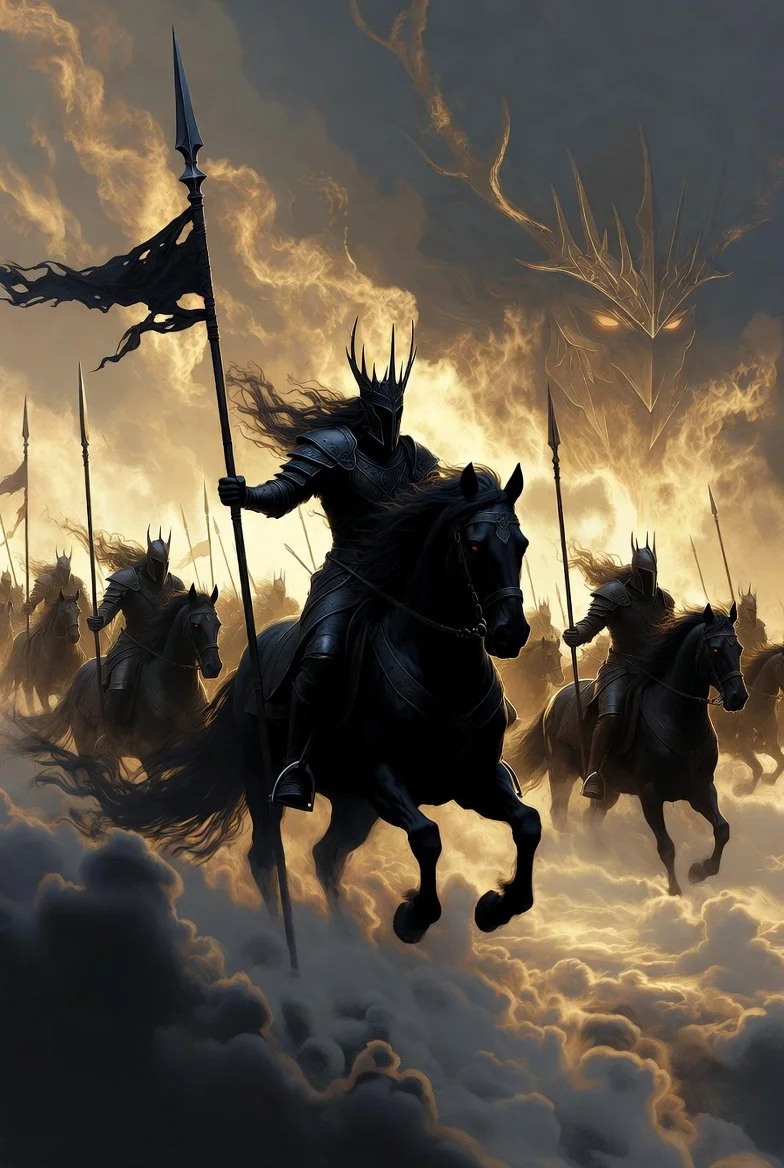
Christmas is coming; and if you think today’s festive spread is decadent, just imagine what a medieval English banquet looked like! Long before turkeys were discovered in America, people from monks to monarchs gathered round a banquet table groaning with pies, ale, spiced wine, and one very impressive centrepiece: the boar’s head.
Richard the Lionheart at Sixteen: the Making of a Warrior Duke
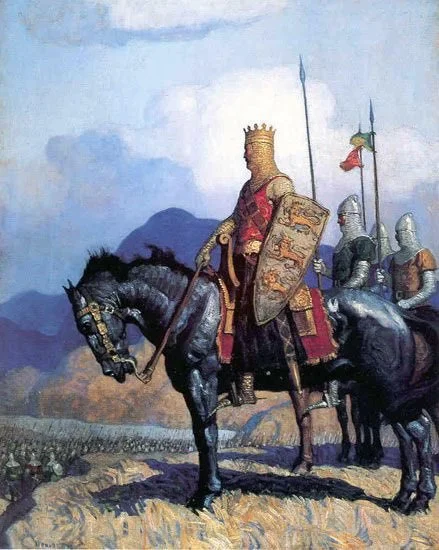
In 1173, a boy of sixteen took his first step onto the stage of war. His name was Richard, Duke of Aquitaine, though he had yet to earn the epithet Lionheart.
Before he became the crusader-king of legend, before his songs and sieges, Richard was a restless teenager thrust into the most dangerous political storm of the twelfth century: the Great Rebellion against his father, King Henry II.
It was a rebellion born of pride, family betrayal, and the impossible weight of expectation. And it was here — amid defeat, shame, and fire — that the making of a warrior began.
A Son in His Mother’s Shadow
Richard was Eleanor of Aquitaine’s favourite son, and in many ways her reflection: intelligent, impulsive, proud. Born in Oxford but raised in the cultured courts of Poitiers and Bordeaux, he was steeped in his mother’s world of poetry and politics. By his mid-teens he could compose in Occitan, debate theology in Latin, and command a hall full of barons — yet he was still a boy in a man’s game.
In 1172, Henry II had forced Eleanor to surrender the duchy of Aquitaine to her teenage son, intending to bind the region more tightly to the English crown. But Aquitaine was Eleanor’s inheritance, her life’s work, and Richard was fiercely loyal to her. The gift was both a promotion and a trap: the young duke found himself governing a proud and fractious land, surrounded by lords twice his age and loyalty only thinly pledged.
When the rebellion of 1173 began, Richard stood between two worlds — son of a king, heir to a duchy, and caught between the two towering figures who defined his destiny.
A’Wassailing We Come!
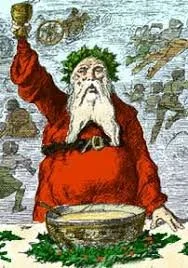
Before middle class carol singers in neat scarves and woolly hats gathered to spread festive cheer, Christmas in England was noisier, messier—and far more drunken. Long before anyone had thought of Silent Night and O Come All Ye Faithful, there was wassailing: a boisterous, door-to-door ritual fuelled by ale, cider, and song!
-
Biographies
- 31 Aug 2026 She Didn't Wait for Permission 31 Aug 2026
- 26 Aug 2026 Eleanor of Vermandois 26 Aug 2026
- 26 Aug 2026 Richard the Lionheart at Sixteen: the Making of a Warrior Duke 26 Aug 2026
- 25 Aug 2026 Hugh de Morville: The Knight Who Would Not Repent 25 Aug 2026
- 12 Aug 2026 Reginald FitzUrse: The Bear Knight Who Slayed a Saint 12 Aug 2026
- 12 Aug 2026 Eleanor of Aquitaine: Queen, Duchess, and Mother of Rebels 12 Aug 2026
- 12 Aug 2026 Henry II of England – The Jailer of Queens 12 Aug 2026
- 11 Aug 2026 Geoffrey of Anjou: The Handsome Count Who Founded the Plantagenet Dynasty (Died 7th September 1151) 11 Aug 2026
- 3 Jul 2026 Lucy of Bolingbroke: The Woman Behind Lincoln Castle's Lucy Tower 3 Jul 2026
- 3 Jul 2026 Muriel of Lincoln 3 Jul 2026
-
CrimeAndJustice
- 31 Aug 2026 The York Massacre, 16 March 1190: On this Day in History 31 Aug 2026
- 26 Aug 2026 A Rat, a Skull, and a Murder That History Never Solved 26 Aug 2026
- 25 Aug 2026 Richard de Brito: The Forgotten Killer; and a very Dangerous Friend 25 Aug 2026
- 25 Aug 2026 William de Tracy: The Penitent Knight of Canterbury 25 Aug 2026
- 12 Aug 2026 Henry II of England – The Jailer of Queens 12 Aug 2026
- 11 Aug 2026 Geoffrey de Mandeville – The Terror of Widows and Nuns 11 Aug 2026
- 11 Aug 2026 Philippe II (Augustus) of France Humiliated Queen Ingeborg 11 Aug 2026
- 11 Aug 2026 Fulk V of Anjou: the King Who Beat His Queen 11 Aug 2026
- 11 Aug 2026 Matthew of Boulogne: The Count Who Kidnapped a Nun 11 Aug 2026
-
EnglandAndAngevinEmpire
- 7 Sept 2026 The Treaty of Lambeth, 1217 7 Sept 2026
- 24 Aug 2026 How Nicola de la Haye and Gerard de Camville Conquered the Sea, and Made a Deadly Enemy 24 Aug 2026
- 10 Aug 2026 Willikin of the Weald: Was He the Real Inspiration for Robin Hood? 10 Aug 2026
- 3 Aug 2026 The Real Sheriff of Nottingham? 3 Aug 2026
- 6 Jul 2026 Lincoln's Lost Castle: The Rise and Fall of Thorngate 6 Jul 2026
- 23 Jun 2026 Why the Plantenet Angevins Ruled Half of Europe 23 Jun 2026
-
EverydayLife
- 26 Aug 2026 Medieval New Year's Eve: When Chaos Was the Point 26 Aug 2026
- 26 Aug 2026 Feasts, Folklore & Boar: A Medieval Christmas with a Dash of Wild Hunt Magic 26 Aug 2026
- 26 Aug 2026 A’Wassailing We Come! 26 Aug 2026
- 26 Aug 2026 Medieval Advent 26 Aug 2026
- 17 Aug 2026 Capons, Cocks and Hens: Keeping Chickens in Medieval England 17 Aug 2026
- 12 Aug 2026 All Souls’ Day: Soul Cakes, Prayer and Memory 12 Aug 2026
- 12 Aug 2026 All Hallows’ Day: The Feast of All Saints 12 Aug 2026
- 12 Aug 2026 All Hallows’ Eve: The Vigil of the Departed 12 Aug 2026
- 12 Aug 2026 Lanterns and Mischief: From Samhain Fires to Punkie Night 12 Aug 2026
- 12 Aug 2026 What Is Allhallowtide? The Three Days of the Dead… 12 Aug 2026
- 22 Jun 2026 What Languages Did Jews Speak in Medieval England? 22 Jun 2026
-
HistoricalEvents
- 16 Sept 2026 The Prayer That Outlived Him: Rabbi Yom Tov of Joigny (and York) 16 Sept 2026
- 7 Sept 2026 The Treaty of Lambeth, 1217 7 Sept 2026
- 31 Aug 2026 Magna Carta Day: The Meadow Where a King Was Made to Yield, and the Woman Who Saved It from Ruin 31 Aug 2026
- 31 Aug 2026 Battle of Lincoln 1217: The Woman Who Held the Castle That Saved England 31 Aug 2026
- 31 Aug 2026 The Sky is Falling! Halley's Comet, the Bayeux Tapestry, and the Four Portents in ‘Lady of the Castle’ 31 Aug 2026
- 31 Aug 2026 How a Birthday Party at Chinon Kickstarted a Civil War (5 March 1173) 31 Aug 2026
- 26 Aug 2026 A Rat, a Skull, and a Murder That History Never Solved 26 Aug 2026
- 26 Aug 2026 ‘King and Conqueror’: How much truth-stretching is acceptable? 26 Aug 2026
- 25 Aug 2026 Medieval Succession: When Henry II’s Empire Imploded 25 Aug 2026
- 25 Aug 2026 Richard de Brito: The Forgotten Killer; and a very Dangerous Friend 25 Aug 2026
- 25 Aug 2026 William de Tracy: The Penitent Knight of Canterbury 25 Aug 2026
- 12 Aug 2026 Reginald FitzUrse: The Bear Knight Who Slayed a Saint 12 Aug 2026
- 12 Aug 2026 The Shadow of Becket: How a Murder Shook the Kingdom 12 Aug 2026
- 11 Aug 2026 Princes Without Power: Why Henry the Young King Rebelled 11 Aug 2026
- 27 Jul 2026 What really burned at York Castle in 1190? 27 Jul 2026
- 22 Jun 2026 The Battle of Fornham: When a Countess Rode to War and Changed Medieval England Forever 22 Jun 2026
-
HistoricalFiction
- 26 Aug 2026 Warrior Monks on the Lincolnshire Heath 26 Aug 2026
- 26 Aug 2026 Nicola de la Haye 26 Aug 2026
- 26 Aug 2026 Fastrada: Charlemagne’s Queen History Tried to Forget 26 Aug 2026
- 26 Aug 2026 Wu Zetian: The Woman Who Ruled an Empire 26 Aug 2026
- 26 Aug 2026 ‘King and Conqueror’: How much truth-stretching is acceptable? 26 Aug 2026
- 26 Aug 2026 Empress Theodora of Byzantium: She Saved an Empire 26 Aug 2026
- 26 Aug 2026 Hypatia of Alexandria 26 Aug 2026
- 25 Aug 2026 Zenobia of Palmyra: the Queen Who Defied Rome 25 Aug 2026
- 25 Aug 2026 Vibia Sabina: Empress, Wife of Hadrian 25 Aug 2026
- 25 Aug 2026 Claudia Procula, Pontius Pilate’s wife 25 Aug 2026
- 12 Aug 2026 Zipporah, the Wife of Moses 12 Aug 2026
- 12 Aug 2026 The Revenant of Hereford: Walter Map’s Medieval Walking Dead 12 Aug 2026
-
People
- 26 Aug 2026 The Saxon Secret to Avoiding a Bad Ruler 26 Aug 2026
- 25 Aug 2026 Medieval Succession: When Henry II’s Empire Imploded 25 Aug 2026
- 24 Aug 2026 How Nicola de la Haye and Gerard de Camville Conquered the Sea, and Made a Deadly Enemy 24 Aug 2026
- 12 Aug 2026 The Shadow of Becket: How a Murder Shook the Kingdom 12 Aug 2026
- 11 Aug 2026 Princes Without Power: Why Henry the Young King Rebelled 11 Aug 2026
- 10 Aug 2026 Willikin of the Weald: Was He the Real Inspiration for Robin Hood? 10 Aug 2026
- 3 Aug 2026 The Real Sheriff of Nottingham? 3 Aug 2026
-
ReligionMagicandBelief
- 16 Sept 2026 The Prayer That Outlived Him: Rabbi Yom Tov of Joigny (and York) 16 Sept 2026
- 3 Sept 2026 Bloodbath at the Lionheart’s Coronation 3 Sept 2026
- 31 Aug 2026 The Sky is Falling! Halley's Comet, the Bayeux Tapestry, and the Four Portents in ‘Lady of the Castle’ 31 Aug 2026
- 31 Aug 2026 The York Massacre, 16 March 1190: On this Day in History 31 Aug 2026
- 26 Aug 2026 Warrior Monks on the Lincolnshire Heath 26 Aug 2026
- 26 Aug 2026 Friday the 13th Superstitions? 26 Aug 2026
- 26 Aug 2026 Feasts, Folklore & Boar: A Medieval Christmas with a Dash of Wild Hunt Magic 26 Aug 2026
- 26 Aug 2026 Medieval Advent 26 Aug 2026
- 25 Aug 2026 Hugh de Morville: The Knight Who Would Not Repent 25 Aug 2026
- 12 Aug 2026 All Souls’ Day: Soul Cakes, Prayer and Memory 12 Aug 2026
- 12 Aug 2026 All Hallows’ Day: The Feast of All Saints 12 Aug 2026
- 12 Aug 2026 All Hallows’ Eve: The Vigil of the Departed 12 Aug 2026
- 12 Aug 2026 The Revenant of Hereford: Walter Map’s Medieval Walking Dead 12 Aug 2026
- 12 Aug 2026 Lanterns and Mischief: From Samhain Fires to Punkie Night 12 Aug 2026
- 12 Aug 2026 What Is Allhallowtide? The Three Days of the Dead… 12 Aug 2026
- 27 Jul 2026 What really burned at York Castle in 1190? 27 Jul 2026
- 22 Jun 2026 What Languages Did Jews Speak in Medieval England? 22 Jun 2026
-
TimePeriods
- 31 Aug 2026 How a Birthday Party at Chinon Kickstarted a Civil War (5 March 1173) 31 Aug 2026
- 26 Aug 2026 Friday the 13th Superstitions? 26 Aug 2026
- 26 Aug 2026 Richard the Lionheart at Sixteen: the Making of a Warrior Duke 26 Aug 2026
- 11 Aug 2026 Geoffrey of Anjou: The Handsome Count Who Founded the Plantagenet Dynasty (Died 7th September 1151) 11 Aug 2026
- 23 Jun 2026 Why the Plantenet Angevins Ruled Half of Europe 23 Jun 2026
-
WomeninHistory
- 31 Aug 2026 Magna Carta Day: The Meadow Where a King Was Made to Yield, and the Woman Who Saved It from Ruin 31 Aug 2026
- 31 Aug 2026 Battle of Lincoln 1217: The Woman Who Held the Castle That Saved England 31 Aug 2026
- 31 Aug 2026 She Didn't Wait for Permission 31 Aug 2026
- 26 Aug 2026 The Saxon Secret to Avoiding a Bad Ruler 26 Aug 2026
- 26 Aug 2026 Nicola de la Haye 26 Aug 2026
- 26 Aug 2026 Eleanor of Vermandois 26 Aug 2026
- 26 Aug 2026 Fastrada: Charlemagne’s Queen History Tried to Forget 26 Aug 2026
- 26 Aug 2026 Wu Zetian: The Woman Who Ruled an Empire 26 Aug 2026
- 26 Aug 2026 Empress Theodora of Byzantium: She Saved an Empire 26 Aug 2026
- 26 Aug 2026 Hypatia of Alexandria 26 Aug 2026
- 25 Aug 2026 Zenobia of Palmyra: the Queen Who Defied Rome 25 Aug 2026
- 25 Aug 2026 Vibia Sabina: Empress, Wife of Hadrian 25 Aug 2026
- 25 Aug 2026 Claudia Procula, Pontius Pilate’s wife 25 Aug 2026
- 12 Aug 2026 Zipporah, the Wife of Moses 12 Aug 2026
- 12 Aug 2026 Eleanor of Aquitaine: Queen, Duchess, and Mother of Rebels 12 Aug 2026
- 11 Aug 2026 Geoffrey de Mandeville – The Terror of Widows and Nuns 11 Aug 2026
- 11 Aug 2026 Philippe II (Augustus) of France Humiliated Queen Ingeborg 11 Aug 2026
- 11 Aug 2026 Fulk V of Anjou: the King Who Beat His Queen 11 Aug 2026
- 11 Aug 2026 Matthew of Boulogne: The Count Who Kidnapped a Nun 11 Aug 2026
- 3 Jul 2026 Lucy of Bolingbroke: The Woman Behind Lincoln Castle's Lucy Tower 3 Jul 2026
- 3 Jul 2026 Muriel of Lincoln 3 Jul 2026
- 22 Jun 2026 The Battle of Fornham: When a Countess Rode to War and Changed Medieval England Forever 22 Jun 2026
- 1173-4 Great Rebellion
- 12th Century
- 12th Century History
- Adeliza de Meschines
- All Hallow Tide
- All Hallow's Eve
- Angevin Empire
- Battle of Lincoln
- Battle of Lincoln 1217
- Battle of Sandwich 1217
- Bayeux Tapestry Comet Scene
- Becket Martyrdom 1170
- Becket's Assassins
- Becket's murder 1170
- Biblical Women
- Canterbury Cathedral
- Christianity
- Christmas
- Clifford's Tower
- Clifford's Tower massacre
- Coronation
- Crusade
- Eclipses
- Eleanor of Aquitaine
- Eleanor of Aquitane Imprisonment
- England
- Folklore
- Forgotten Women
- Forgotten Women of History
- Geoffrey of Anjou
- Gerard de Camville
- Halloween
- Henry II
- Henry II and Becket conflict
- Henry II and Eleanor of Aquitaine
- Henry the Young King
- Historical Fiction
- Household Knights
- Jack O' Lanterns
- King John
- Knights Who Killed Thomas Becket
- Lady of England
- Lady of Lincoln
- Lady of Lincoln Novel
- Lady of the Castle
- Lincoln Castle
- Lincoln Castle history
- Magna Carta
- Medieval
- Medieval Antisemitism
- Medieval Christmas
- Medieval Convents Attacked
- Medieval Customs
- Medieval England
- Medieval England and France
- Medieval Feasts
- Medieval France
- Medieval historical fiction
- Medieval History
- medieval Jewish history
- Medieval Jews
- Medieval Lincolnshire
- Medieval Misogyny
- Medieval Queens
- medieval women
- Misogyny in the Middle Ages
- Muriel of Lincoln
- Myths and Legend
- Nicholaa de la Haye
- Nicholaa de la Haye novel
- Nicola de la Haye
- Nicola de la Haye historical fiction
- Nicola de la Haye novel
- Norman Conquest
- Norman Invasion
- Pagan Traditions
- Paganism
- Plantagenet dynasty
- Plantagenet kings
- Plantagenet Princes
- Purgatory
- Ralph de la Haye
- Revenants
- Revolt of the Eaglets
- Richard I
- Richard the Lionheart
- Robert de Condet Thorngate
- Romans
- Samhain
- Saxons
- Spirit World
- The Anarchy
- Thomas Becket
- Thomas Becket Murder
- William FitzErneis
- Women in History
- women in medieval England
- York Jewish massacre 1190
- York massacre 1190
- Æthelflæd