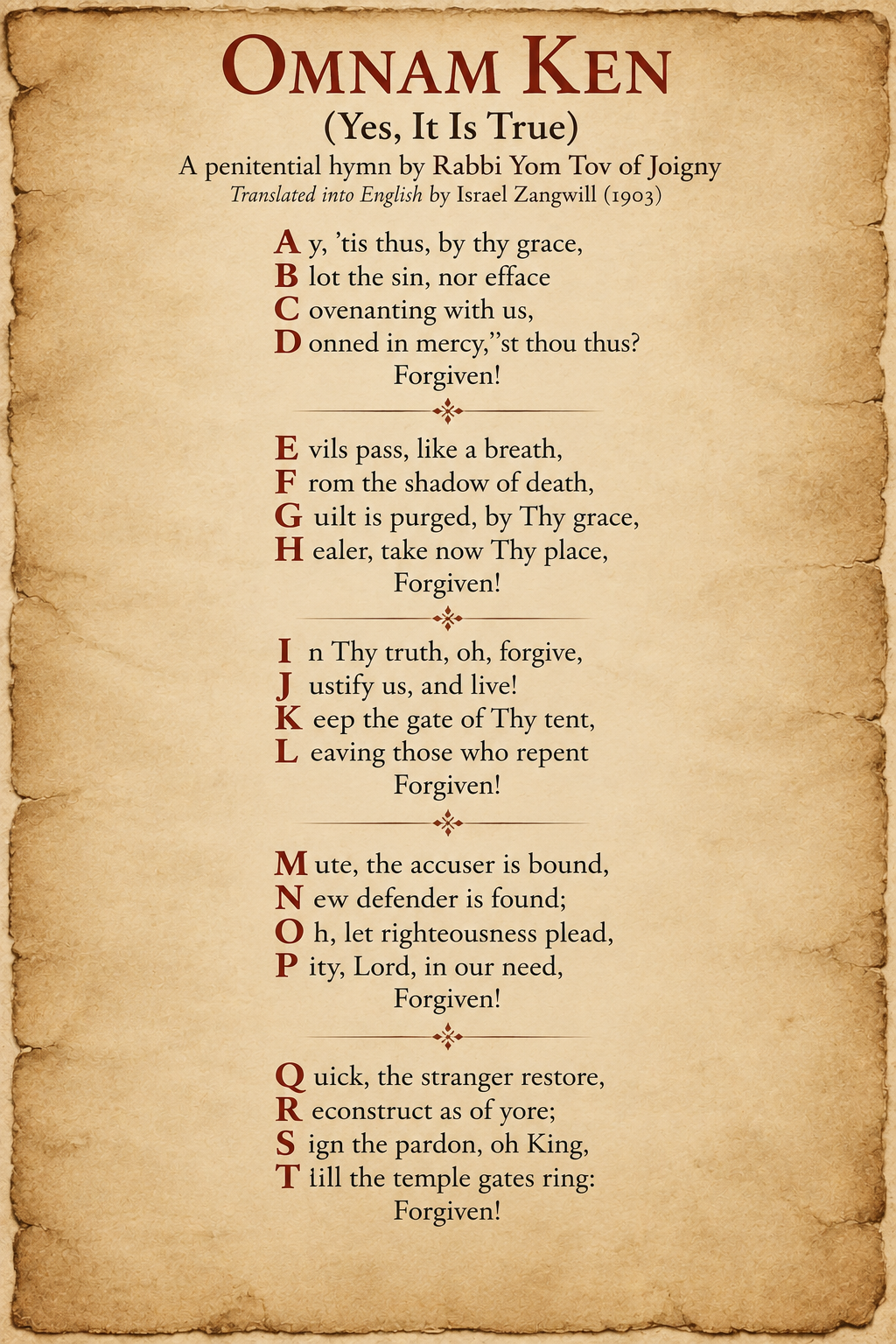
The Prayer That Outlived Him: Rabbi Yom Tov of Joigny (and York)
During the High Holy Days, a prayer written more than eight hundred years ago is still recited on Yom Kippur. Its author, Rabbi Yom Tov of Joigny, died with York's Jewish community in 1190. Centuries later, his prayer returned to Clifford's Tower..
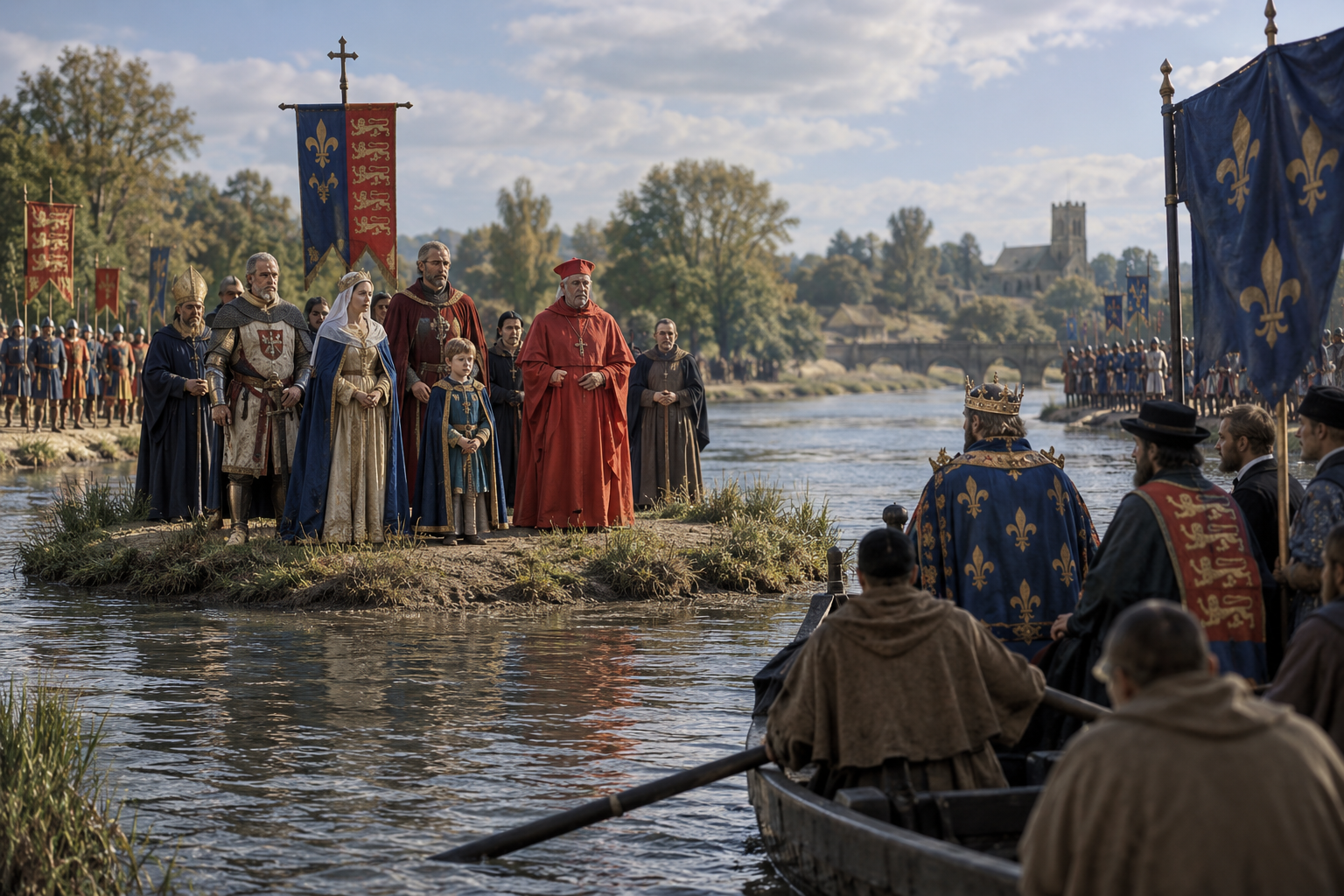
The Treaty of Lambeth, 1217
In September 1217, a series of negotiations brought one of the most extraordinary episodes in English history to an end.
A French prince had been proclaimed King of England. Much of the country had fallen into his hands. King John was dead, his heir was nine years old, and England had been fighting a civil war in which English barons stood on both sides.
But by the end of September, Prince Louis of France had renounced his claim to the English throne and was preparing to leave the country.
The settlement is usually known as the Treaty of Lambeth. And one of the events that made that peace possible had taken place four months earlier, at Lincoln Castle, where Nicola de la Haye had refused to surrender.
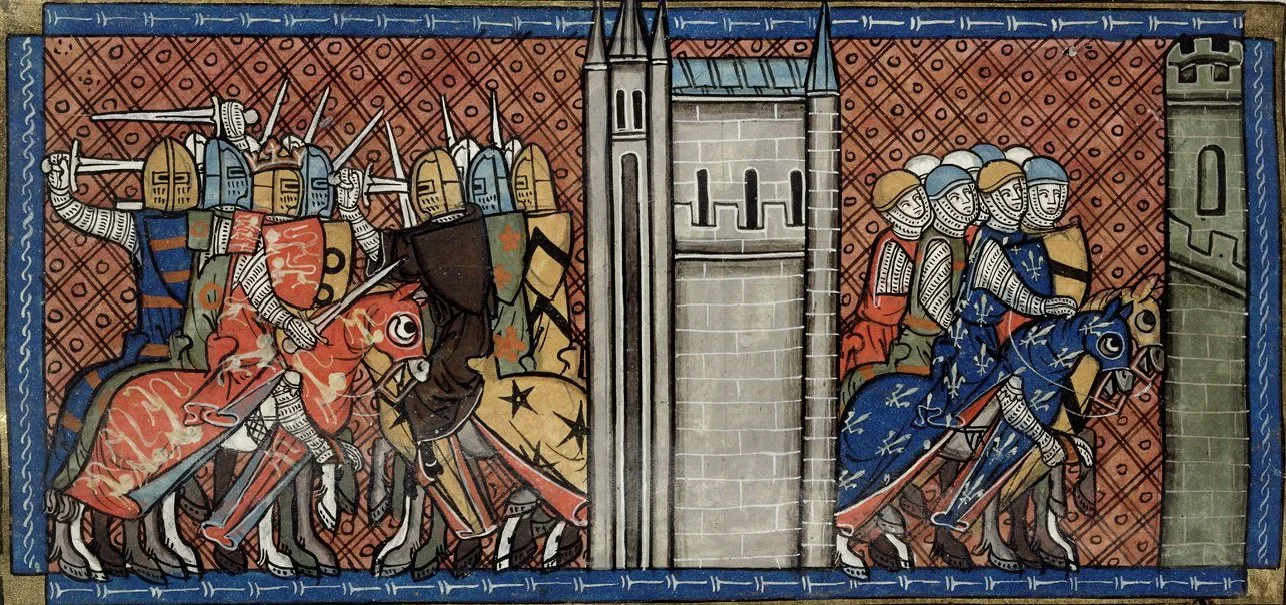
Magna Carta Day: The Meadow Where a King Was Made to Yield, and the Woman Who Saved It from Ruin
Magna Carta was not born in a peaceful ceremony, but in a tense meadow surrounded by armed men, suspicion, and civil war. On Magna Carta Day, explore the real drama of Runnymede, King John’s tyranny, and the forgotten role of Nicola de la Haye — the woman who helped save England and Magna Carta itself.
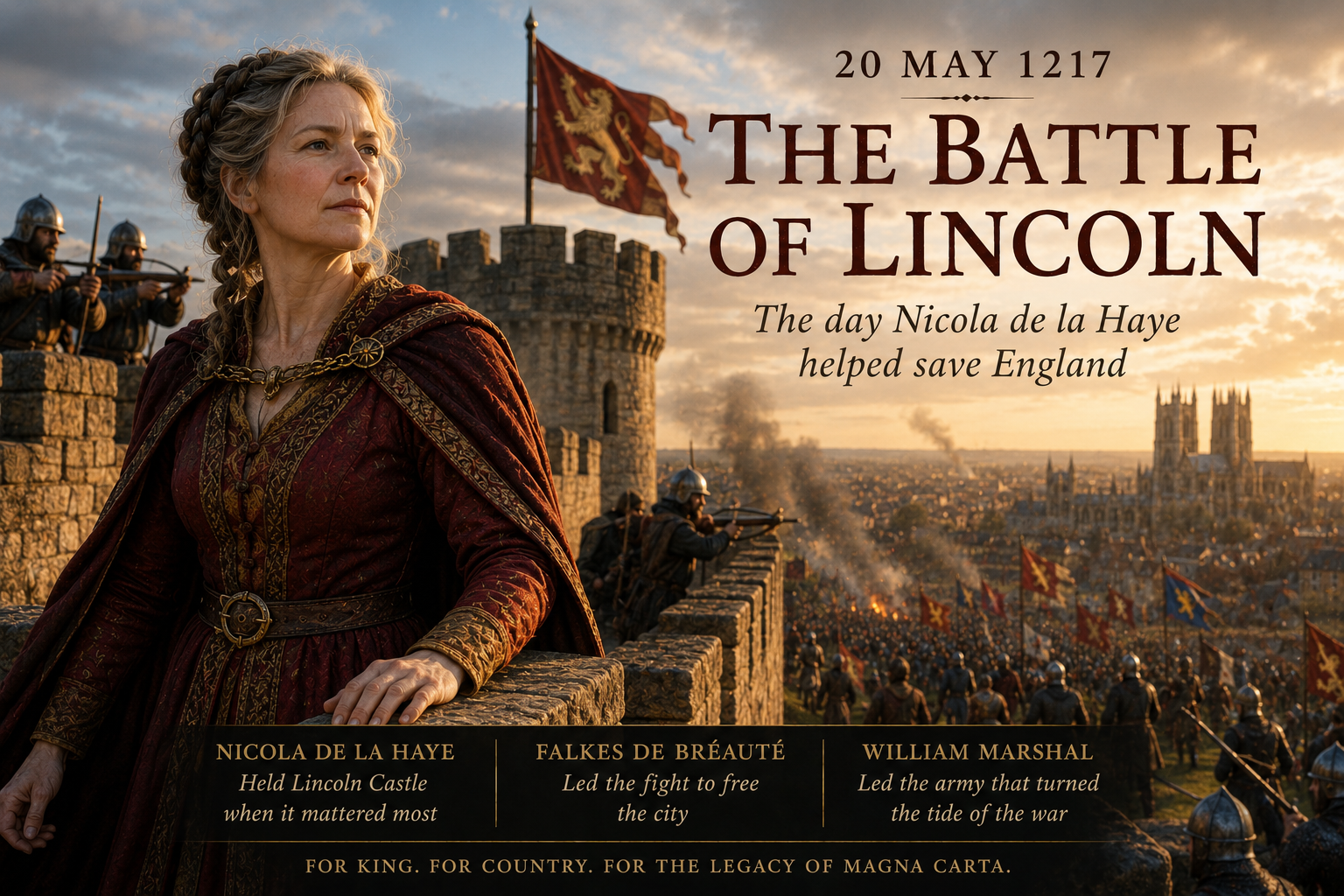
Battle of Lincoln 1217: The Woman Who Held the Castle That Saved England
The Battle That Nearly Erased England
On 20 May 1217, the fate of England came down to one woman holding a battered castle against a French invasion. It's a story that should be far better known — and on its 808th anniversary, it deserves to be told properly. It's also the story at the heart of my novel Lady of England, the third book in my Nicola de la Haye trilogy, which will be published late 2026/ early 2027.
By the spring of 1217, the situation for the nine-year-old King Henry III looked desperate. King John was dead. Prince Louis of France had landed with an army, rebel English barons had welcomed him to London, and much of the south-east had fallen. The Plantagenet dynasty appeared to be finished. Three fortresses still flew Henry's colours: Dover, Windsor – and Lincoln Castle.
Lincoln Castle was held by a woman.
"The Woman Who Saved England": Who Was Nicola de la Haye?
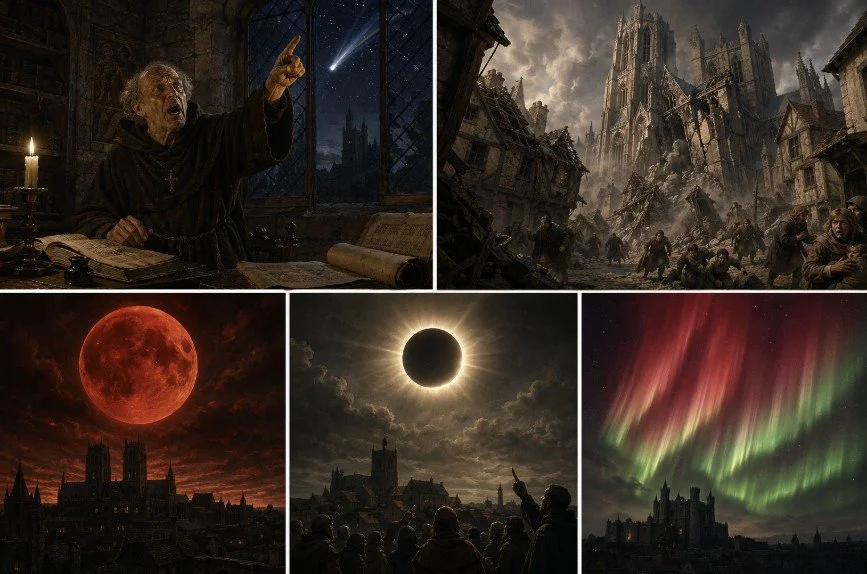
The Sky is Falling! Halley's Comet, the Bayeux Tapestry, and the Four Portents in ‘Lady of the Castle’
On This Day in History, 1066 and the Terrible Portents in Lincoln, 1185
In the spring of 1066, something extraordinary blazed across the English night sky. For several weeks, a brilliant comet hung over England, visible even in daylight, trailing a luminous tail that stretched across the heavens like a wound in the fabric of the world. People stopped in the streets to stare at it. Monks recorded it in their chronicles. Kings, it was whispered, trembled.
They were right to. Within months, Harold Godwinson was dead, the last Anglo-Saxon king of England had fallen at Hastings, and a Norman duke sat upon the English throne. Whether the comet caused any of this is, of course, a question for a different kind of historian. But what it meant — that, the medieval mind had no doubt about whatsoever.
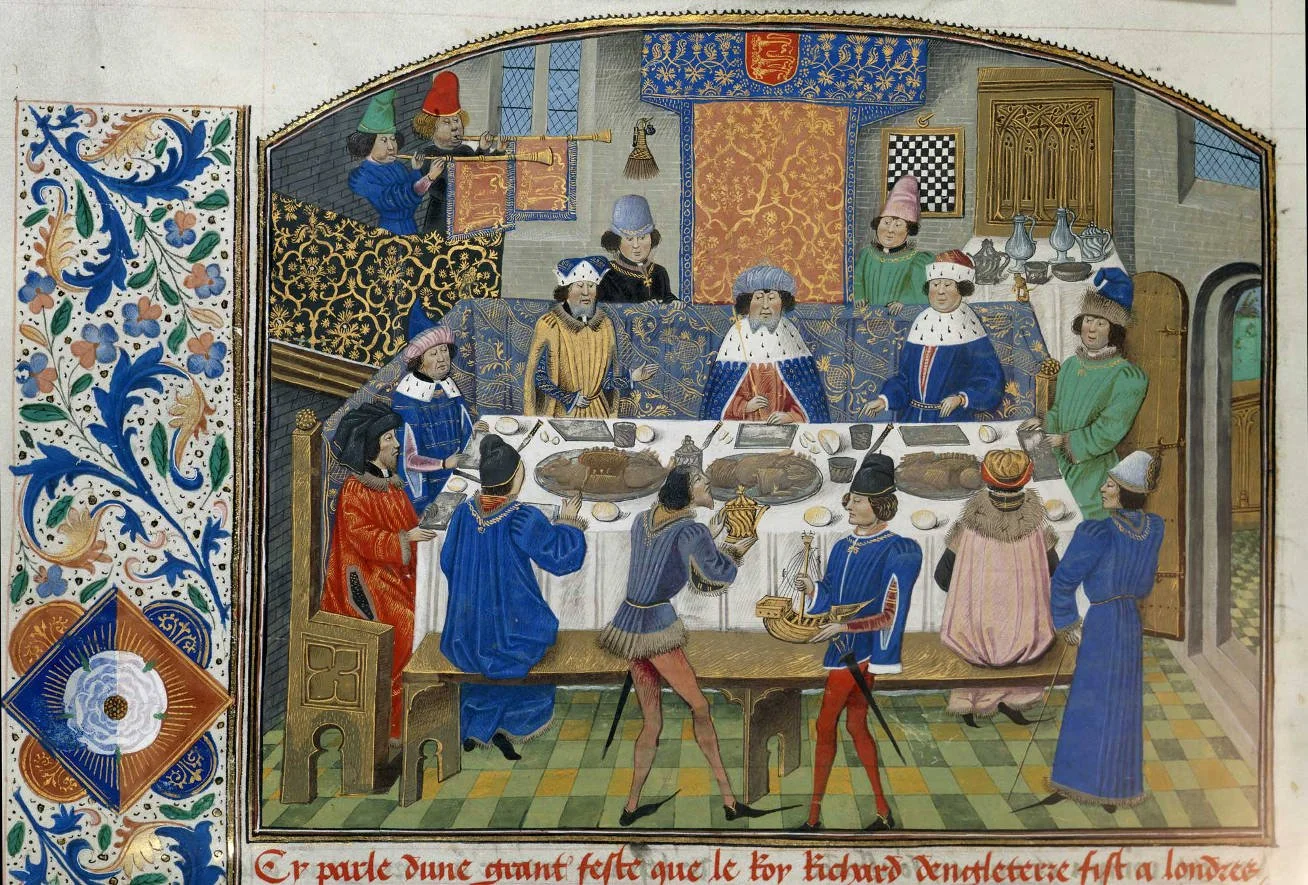
How a Birthday Party at Chinon Kickstarted a Civil War (5 March 1173)
Today is my birthday 😁. And as birthdays go, I could have shared mine with worse people, because 5 March 1133 was also the birthday of Henry II of England, born at Le Mans, one of the most formidable rulers medieval Europe ever produced.
Henry II’s Birthday was 5th March
Soldier, lawgiver, empire-builder, father of eight legitimate children (and countless illegitimate ones), and a man whose family would become both his greatest weapon, his biggest headache, and eventually most spectacular downfall.
Which makes today a good day to talk about what happened on his fortieth birthday, in 1173. Because that evening a feast was held at Château de Chinon. The great hall would have been ablaze with candlelight and Henry, thinking he’d managed to control his spoiled, entitled (but courteous and generous) namesake son, allowed the goblets to be repeatedly refilled by his son’s own hand.
The drunkenness that followed led to everything that followed: the Great Rebellion, where Henry’s family were torn apart, and his throne would never feel secure again.
This event, and the Great Rebellion itself, runs through the heart of my novel Lady of Lincoln.
A Rat, a Skull, and a Murder That History Never Solved
On This Day: The Death of William Longespée, Third Earl of Salisbury. 7th March 1226
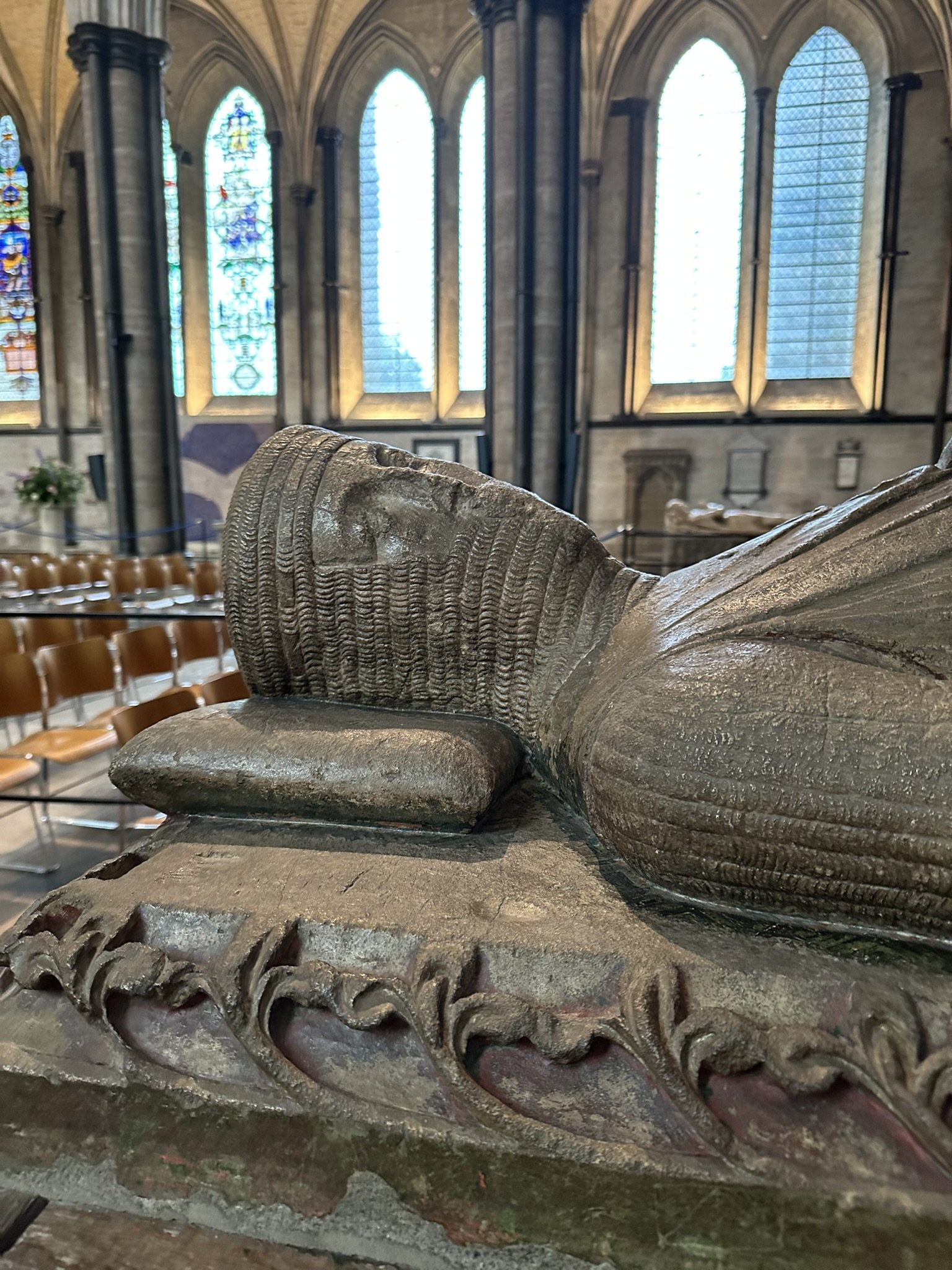
William Longespée’s Tomb at Salisbury Cathedral
When they opened the tomb, they found a rat. And not just any rat, but a dead one, curled inside a man's skull, centuries after both had gone into the dark. And when investigators ran the chemical analysis, the results sent a chill down historians’ spines.
Arsenic.
This is the story of William Longespée, Earl of Salisbury: soldier, crusader, half-brother to a king, and the death that eight hundred years of history has never been able to explain.
The King's Bastard Who Rose to Power
Born around 1176 as the illegitimate son of King Henry II, Longespée had no business becoming one of the most powerful men in England. But he did.
Through marriage to Ela of Salisbury, he became Earl and acquired one of the great titles of the realm. But he didn't coast on it; he fought, he commanded, and he mostly won.
His military career contained at least two moments that changed the course of history.
The Destruction of the French Fleet
In May 1213, King Philip II of France was massing an invasion fleet near the port of Damme, in what is now Belgium. The ships stretched across the harbour; hundreds of vessels, loaded with supplies, troops, and the ambition to bring England to its knees.
Longespée led the English fleet across the Channel to meet them.
What followed was less a battle than a systematic destruction. The English found the French fleet largely undefended as many of the ships sat at anchor with skeleton crews while the main force was raiding inland. Longespée's men fell upon them, seized what they could carry, and burned much of the rest.
It was one of the most decisive naval actions of the entire medieval period, and Philip's planned invasion collapsed. England, which had looked dangerously exposed, was suddenly safe.
Longespée had just saved the kingdom, and was hailed a hero.
He did it again four years later.
In 1217, with the young Henry III barely clinging to his throne, a French prince was being supplied and reinforced by sea. Longespée commanded the English fleet at the Battle of Sandwich, intercepting the French supply convoy in the Channel and destroying it with ruthless efficiency.
The strategy was brutally effective. Without reinforcement, the French campaign collapsed, and Henry III kept his throne.
His success (and probably his arrogance) meant he made enemies; powerful ones, in high places.
The Enemy You Already Know
One of those enemies was Nicola de la Haye; the indomitable castellan of Lincoln Castle, the woman who held the city against all odds and shaped the fate of England. But Nicola and Longespée were not allies. They were rivals, moving through the same treacherous political landscape from opposite sides.
It went further than politics. Longespée held the wardship of Nicola's granddaughter, Idonea. He’d essentially bought her wardship and betrothal to his son from John when she was captured during the Baron’s Revolt.
In the medieval world, controlling a child's wardship meant controlling their future, their inheritance, their marriage prospects. It was power over everything that mattered.
Nicola was not happy. What happens between them next is covered in the third novel in my Nicola de la Haye series, Lady of England.
A Storm at Sea. Then Something Worse.
In early 1226, Longespée's ship was wrecked.
He survived, battered, exhausted, exposed to the sea, and made his way to Salisbury. It was the obvious explanation when he fell ill shortly afterwards and died: a man weakened by shipwreck, a body pushed past its limits; the kind of death that happened all the time in the thirteenth century.
On 7 March 1226, he died.
His body was carried into the new cathedral at Salisbury, which was still rising from the water-meadows, still smelling of fresh stone and lime, and buried with the honours due an earl.
A model of Salisbury Cathedral still under construction, as it was when Longespée was buried there
But the rumours started almost immediately.
The Poison Rumours
William Longespée may well have been murdered by Hubert de Burgh with arsenic
The official verdict was illness, but the unofficial verdict was murder.
Suspicion gathered around Hubert de Burgh, the formidable royal justiciar who had long tangled with Longespée in the brutal politics of Henry III's court. In a world where power changed hands fast and rivals had everything to gain, poisoning wasn't paranoia. It was a reasonable fear.
But there was no proof. The rumours circulated, faded, and were eventually filed away under unsolved.
Then, in 1791, during a major reordering of Salisbury Cathedral, the tomb was opened.
The Rat and the Skull
When Longespée’s tomb was opened, an eerie detail emerged: a rat skeleton trapped inside the earl’s skull. Later testing revealed arsenic in the rat’s bones, giving chilling new life to the medieval whispers that the great earl had been poisoned.
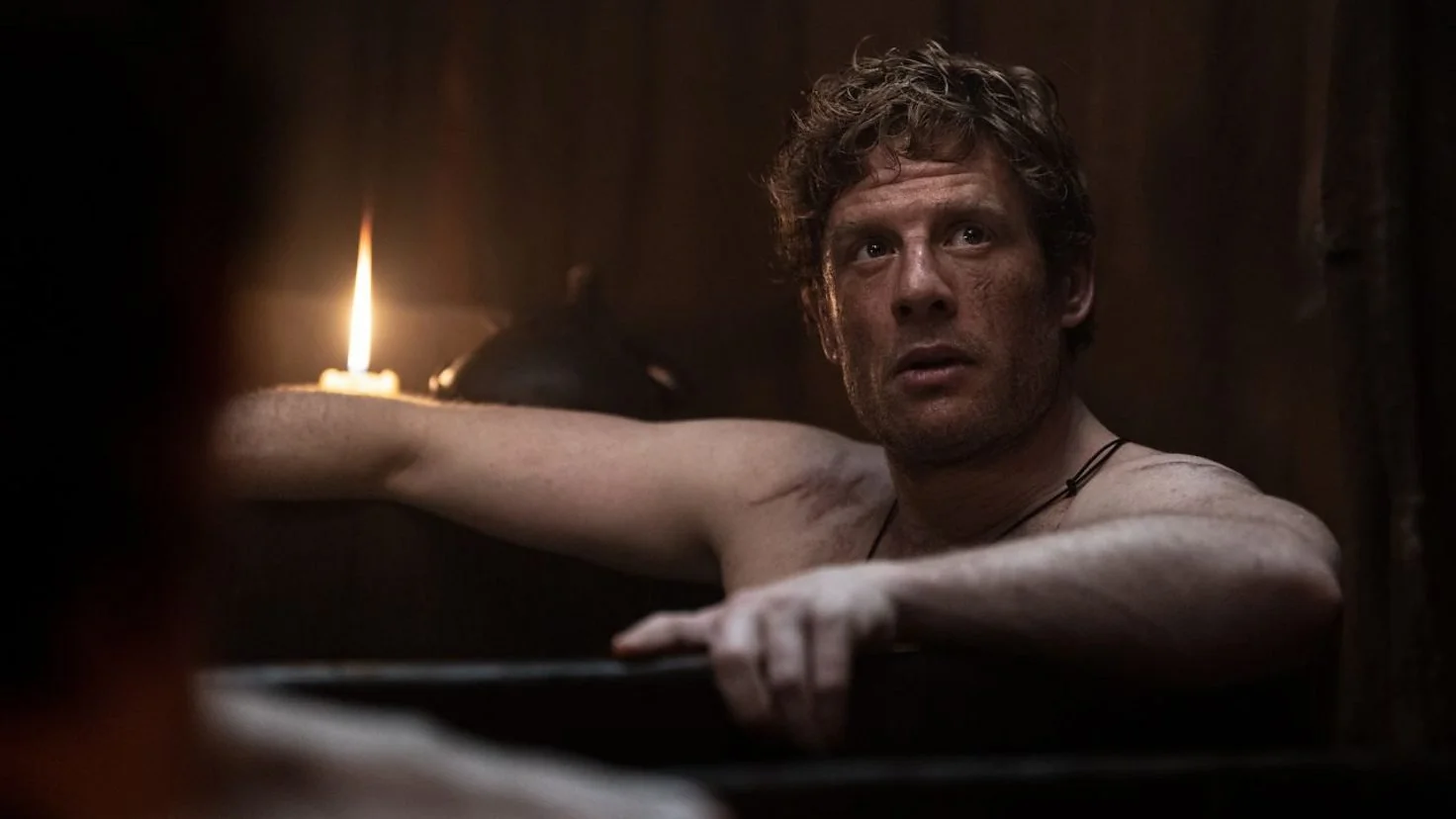
‘King and Conqueror’: How much truth-stretching is acceptable?
Welcome back to another Medieval Monday blog. After several posts dissecting the lead up to the Great Rebellion of 1173-4, today I’m switching focus to another seismic moment in English history: the Norman Conquest of England, as reimagined in the TV programme King & Conqueror.
The show has stirred plenty of excitement, and equally as much critique, about just how faithful a retelling it is. Because of that, I was loathe to watch it, but now I have, and here’s my view.
In short: yes, it draws on real events, but takes dramatic licence freely. The question is: when storytelling trumps scholarship, how much is too much?
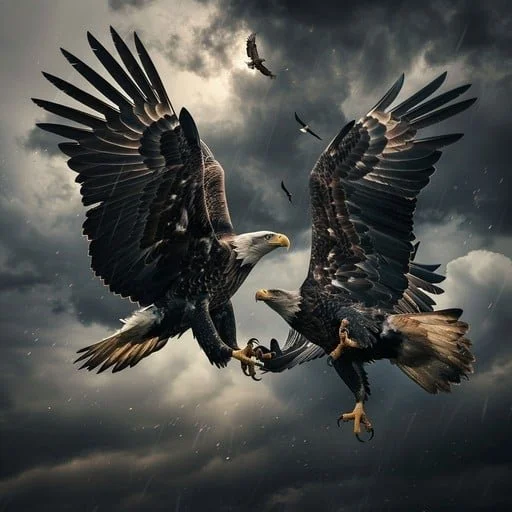
Medieval Succession: When Henry II’s Empire Imploded
When Successionfirst aired, audiences were transfixed by its portrait of a modern dynasty at war with itself: scheming heirs, a manipulative patriarch, and a fortune vast enough to make loyalty negotiable. But centuries before Logan Roy was terrifying his children in glass-walled boardrooms, another ruthless family feud was playing out across medieval Europe.
In 1173, the most powerful man in Christendom—King Henry II of England—faced a rebellion led not by rivals or barons, but by his own wife and sons. Chroniclers called it the Great Rebellion; historians often dub it the Revolt of the Eaglets, after the young “eagles” who turned on the parent bird.
And just like inSuccession, the real question was: who inherits the empire?

Richard de Brito: The Forgotten Killer; and a very Dangerous Friend
In legend he struck the final blow; in fiction, he will cause a torrent of trouble for his friend William FitzErneis in Lady of Lincoln.
When Archbishop Thomas Becket was cut down before the altar of Canterbury Cathedral in December 1170, the man who delivered the fatal stroke was Richard de Brito—sometimes styled le Breton. His sword, witnesses said, split Becket’s skull so deeply that the blade snapped on the flagstones.
Unlike the other knights, de Brito cried out as he struck:
“Take that for the love of my lord William FitzEmpress!”
The words stunned those who heard them. He was killing the archbishop not in Henry II’s name, but in that of Henry’s brother—the late William FitzEmpress, Henry II’s brother.
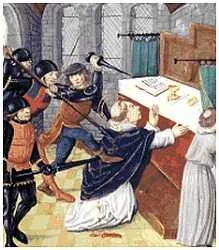
William de Tracy: The Penitent Knight of Canterbury
William de Tracy helped slay Thomas Becket—then sought forgiveness on a pilgrimage to Rome and the Holy Land. Can a murderer find redemption?
On that bitter December evening in 1170, when Thomas Becket, the Archbishop of Canterbury, fell beneath four flashing swords, one of those four blades belonged to Sir William de Tracy. Chroniclers called him the calmest of the murderers; steady-handed, methodical, a man who believed he was acting under royal command. Yet for the rest of his life, remorse and infamy would drive him abroad.

Reginald FitzUrse: The Bear Knight Who Slayed a Saint
On 29 December 1170, four armed knights pushed through the freezing rain towards Canterbury Cathedral. Their leader was Reginald FitzUrse—a man whose very name meant “son of the bear.” He would live up to it in every sense: fierce, proud, and dangerously impulsive.
When Thomas Becket fell beneath their swords that night, FitzUrse’s roar echoed through the nave. It was he who first laid hands on the archbishop, striking the blow that turned a quarrel between king and church into one of the most shocking crimes of the Middle Ages.
A Knight of the King’s Household
Little is known of FitzUrse’s early life. He came from a respectable Somerset family, holding lands at Willeton and Barham. Like many younger sons of the gentry, he found advancement in royal service. By the 1160s he was one of Henry II’s household knights—trusted, well-paid, and fiercely loyal to the king who rewarded courage and obedience above all else.
That loyalty, however, would prove fatal.

The Shadow of Becket: How a Murder Shook the Kingdom
For years, the quarrel between Henry II and Thomas Becket raged. Becket fled to France in 1164, finding refuge with King Louis VII—the same Louis who still burned with resentment against Henry II for marrying Eleanor of Aquitaine. The dispute became as much about politics as faith: two monarchs using one archbishop as a pawn.
In 1170, Henry and Becket made a fragile peace. The archbishop returned to England to cheers from the faithful. But within weeks, their conflict flared again when Becket excommunicated bishops loyal to the crown.
It was then, in a moment of fury, that Henry uttered the words chroniclers would never forget—perhaps not verbatim, but in essence:
“Will no one rid me of this turbulent priest?”
Four knights took him at his word.

Princes Without Power: Why Henry the Young King Rebelled
On 14 June 1170, in Westminster Abbey, England witnessed a rare spectacle: a king crowned in his father’s lifetime. The boy was Henry, eldest surviving son of Henry II and Eleanor of Aquitaine. At just fifteen, he was anointed, crowned, and hailed as rex iunior — the Young King.
It should have been the beginning of a glittering reign. Instead, it became the seed of betrayal.
Did you know? Henry the Young King’s coronation feast is covered in Lady of Lincoln.
A King Without a Kingdom
Despite the grandeur of his coronation, the Young King had no real authority. His father ruled with a firm hand and was unwilling to share power. Henry II kept hold of the castles, the revenues, and the decision-making. The son was left with ceremony but no substance.
Contemporaries pitied him. William of Newburgh remarked that the lad “was king in name only, while his father held the reins of government.” Others saw a prince who enjoyed the tournaments and glittering life of a knight but lacked the lands and soldiers that made a medieval ruler truly powerful.
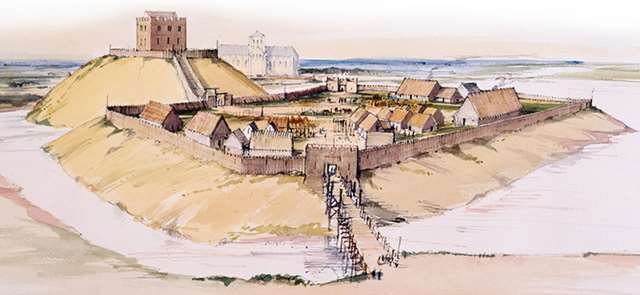
What really burned at York Castle in 1190?
York Castle in 1190 was a large motte-and-bailey complex, not merely a tower. The Jewish community was trapped in the inner stronghold on the motte. Although this is usually reconstructed as wholly wooden, William of Newburgh’s account of stones removed from an inner wall may indicate a stone shell keep containing timber buildings.
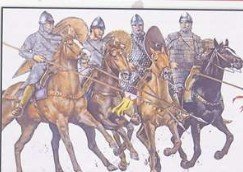
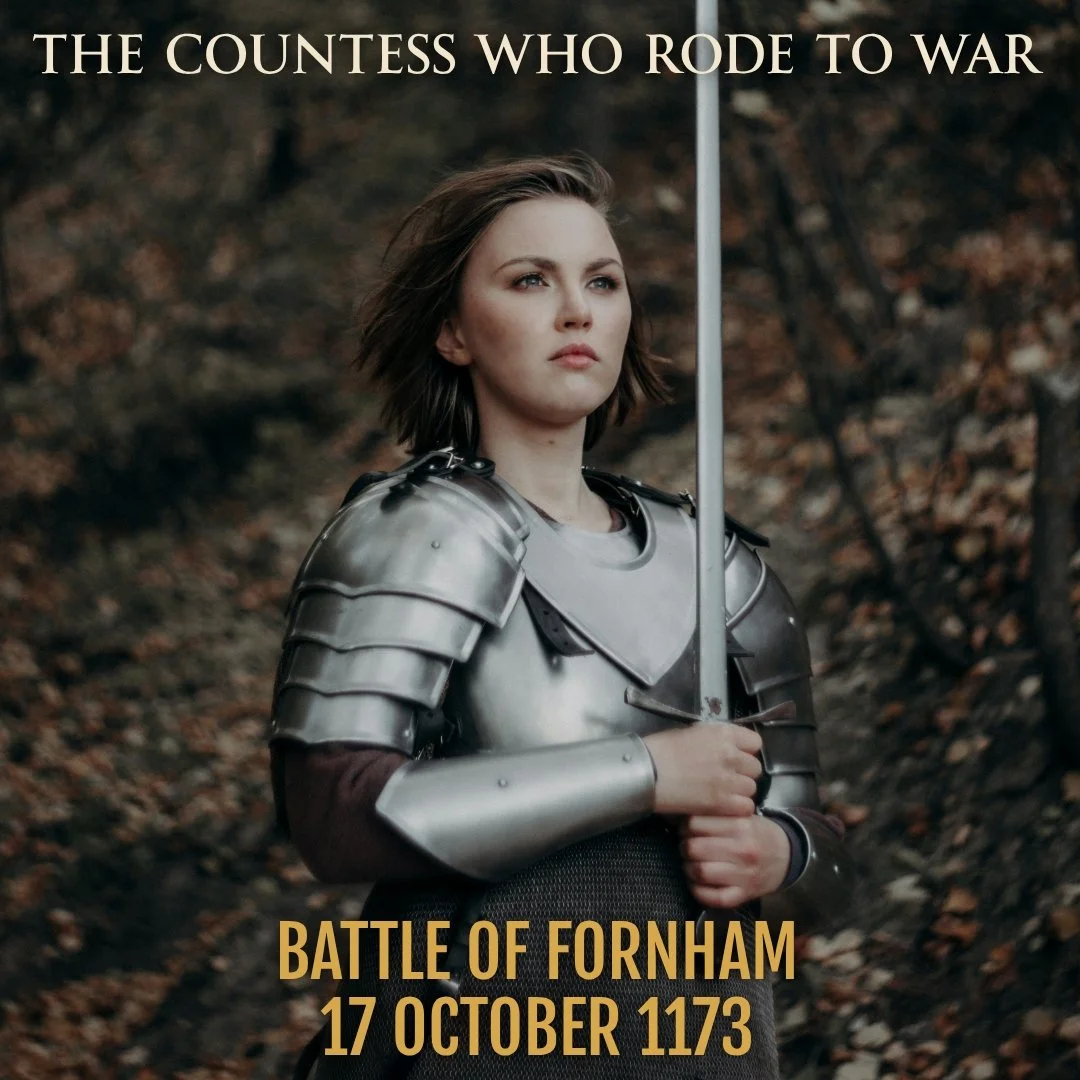
The Battle of Fornham: When a Countess Rode to War and Changed Medieval England Forever
In the mist-shrouded dawn of October 17, 1173, near the quiet Suffolk village of Fornham St. Genevieve, history was about to witness something remarkable. Not just another medieval battle between king and rebels, but the extraordinary tale of a countess who donned armor, took up lance and shield, and rode into battle alongside her husband against the Crown itself.
This is the story of Petronilla de Grandmesnil, Countess of Leicester – a woman whose courage would echo through the centuries, and whose fall into a muddy ditch would become one of the most memorable moments of medieval English warfare.
-
Biographies
- 31 Aug 2026 She Didn't Wait for Permission 31 Aug 2026
- 26 Aug 2026 Eleanor of Vermandois 26 Aug 2026
- 26 Aug 2026 Richard the Lionheart at Sixteen: the Making of a Warrior Duke 26 Aug 2026
- 25 Aug 2026 Hugh de Morville: The Knight Who Would Not Repent 25 Aug 2026
- 12 Aug 2026 Reginald FitzUrse: The Bear Knight Who Slayed a Saint 12 Aug 2026
- 12 Aug 2026 Eleanor of Aquitaine: Queen, Duchess, and Mother of Rebels 12 Aug 2026
- 12 Aug 2026 Henry II of England – The Jailer of Queens 12 Aug 2026
- 11 Aug 2026 Geoffrey of Anjou: The Handsome Count Who Founded the Plantagenet Dynasty (Died 7th September 1151) 11 Aug 2026
- 3 Jul 2026 Lucy of Bolingbroke: The Woman Behind Lincoln Castle's Lucy Tower 3 Jul 2026
- 3 Jul 2026 Muriel of Lincoln 3 Jul 2026
-
CrimeAndJustice
- 31 Aug 2026 The York Massacre, 16 March 1190: On this Day in History 31 Aug 2026
- 26 Aug 2026 A Rat, a Skull, and a Murder That History Never Solved 26 Aug 2026
- 25 Aug 2026 Richard de Brito: The Forgotten Killer; and a very Dangerous Friend 25 Aug 2026
- 25 Aug 2026 William de Tracy: The Penitent Knight of Canterbury 25 Aug 2026
- 12 Aug 2026 Henry II of England – The Jailer of Queens 12 Aug 2026
- 11 Aug 2026 Geoffrey de Mandeville – The Terror of Widows and Nuns 11 Aug 2026
- 11 Aug 2026 Philippe II (Augustus) of France Humiliated Queen Ingeborg 11 Aug 2026
- 11 Aug 2026 Fulk V of Anjou: the King Who Beat His Queen 11 Aug 2026
- 11 Aug 2026 Matthew of Boulogne: The Count Who Kidnapped a Nun 11 Aug 2026
-
EnglandAndAngevinEmpire
- 12 Oct 2026 Barlings Abbey: The White Canons and the Medieval World Behind Lady of the Castle 12 Oct 2026
- 1 Oct 2026 Black Shuck: The Devil’s Dog That Haunted Medieval England 1 Oct 2026
- 7 Sept 2026 The Treaty of Lambeth, 1217 7 Sept 2026
- 24 Aug 2026 How Nicola de la Haye and Gerard de Camville Conquered the Sea, and Made a Deadly Enemy 24 Aug 2026
- 10 Aug 2026 Willikin of the Weald: Was He the Real Inspiration for Robin Hood? 10 Aug 2026
- 3 Aug 2026 The Real Sheriff of Nottingham? 3 Aug 2026
- 6 Jul 2026 Lincoln's Lost Castle: The Rise and Fall of Thorngate 6 Jul 2026
- 23 Jun 2026 Why the Plantenet Angevins Ruled Half of Europe 23 Jun 2026
-
EverydayLife
- 12 Oct 2026 Barlings Abbey: The White Canons and the Medieval World Behind Lady of the Castle 12 Oct 2026
- 26 Aug 2026 Medieval New Year's Eve: When Chaos Was the Point 26 Aug 2026
- 26 Aug 2026 Feasts, Folklore & Boar: A Medieval Christmas with a Dash of Wild Hunt Magic 26 Aug 2026
- 26 Aug 2026 A’Wassailing We Come! 26 Aug 2026
- 26 Aug 2026 Medieval Advent 26 Aug 2026
- 17 Aug 2026 Capons, Cocks and Hens: Keeping Chickens in Medieval England 17 Aug 2026
- 12 Aug 2026 All Souls’ Day: Soul Cakes, Prayer and Memory 12 Aug 2026
- 12 Aug 2026 All Hallows’ Day: The Feast of All Saints 12 Aug 2026
- 12 Aug 2026 All Hallows’ Eve: The Vigil of the Departed 12 Aug 2026
- 12 Aug 2026 Lanterns and Mischief: From Samhain Fires to Punkie Night 12 Aug 2026
- 12 Aug 2026 What Is Allhallowtide? The Three Days of the Dead… 12 Aug 2026
- 22 Jun 2026 What Languages Did Jews Speak in Medieval England? 22 Jun 2026
-
HistoricalEvents
- 17 Oct 2026 The Battle of Fornham 17 October 1217 17 Oct 2026
- 16 Sept 2026 The Prayer That Outlived Him: Rabbi Yom Tov of Joigny (and York) 16 Sept 2026
- 7 Sept 2026 The Treaty of Lambeth, 1217 7 Sept 2026
- 31 Aug 2026 Magna Carta Day: The Meadow Where a King Was Made to Yield, and the Woman Who Saved It from Ruin 31 Aug 2026
- 31 Aug 2026 Battle of Lincoln 1217: The Woman Who Held the Castle That Saved England 31 Aug 2026
- 31 Aug 2026 The Sky is Falling! Halley's Comet, the Bayeux Tapestry, and the Four Portents in ‘Lady of the Castle’ 31 Aug 2026
- 31 Aug 2026 How a Birthday Party at Chinon Kickstarted a Civil War (5 March 1173) 31 Aug 2026
- 26 Aug 2026 A Rat, a Skull, and a Murder That History Never Solved 26 Aug 2026
- 26 Aug 2026 ‘King and Conqueror’: How much truth-stretching is acceptable? 26 Aug 2026
- 25 Aug 2026 Medieval Succession: When Henry II’s Empire Imploded 25 Aug 2026
- 25 Aug 2026 Richard de Brito: The Forgotten Killer; and a very Dangerous Friend 25 Aug 2026
- 25 Aug 2026 William de Tracy: The Penitent Knight of Canterbury 25 Aug 2026
- 12 Aug 2026 Reginald FitzUrse: The Bear Knight Who Slayed a Saint 12 Aug 2026
- 12 Aug 2026 The Shadow of Becket: How a Murder Shook the Kingdom 12 Aug 2026
- 11 Aug 2026 Princes Without Power: Why Henry the Young King Rebelled 11 Aug 2026
- 27 Jul 2026 What really burned at York Castle in 1190? 27 Jul 2026
- 22 Jun 2026 The Battle of Fornham: When a Countess Rode to War and Changed Medieval England Forever 22 Jun 2026
-
HistoricalFiction
- 26 Aug 2026 Warrior Monks on the Lincolnshire Heath 26 Aug 2026
- 26 Aug 2026 Nicola de la Haye 26 Aug 2026
- 26 Aug 2026 Fastrada: Charlemagne’s Queen History Tried to Forget 26 Aug 2026
- 26 Aug 2026 Wu Zetian: The Woman Who Ruled an Empire 26 Aug 2026
- 26 Aug 2026 ‘King and Conqueror’: How much truth-stretching is acceptable? 26 Aug 2026
- 26 Aug 2026 Empress Theodora of Byzantium: She Saved an Empire 26 Aug 2026
- 26 Aug 2026 Hypatia of Alexandria 26 Aug 2026
- 25 Aug 2026 Zenobia of Palmyra: the Queen Who Defied Rome 25 Aug 2026
- 25 Aug 2026 Vibia Sabina: Empress, Wife of Hadrian 25 Aug 2026
- 25 Aug 2026 Claudia Procula, Pontius Pilate’s wife 25 Aug 2026
- 12 Aug 2026 Zipporah, the Wife of Moses 12 Aug 2026
- 12 Aug 2026 The Revenant of Hereford: Walter Map’s Medieval Walking Dead 12 Aug 2026
-
People
- 26 Aug 2026 The Saxon Secret to Avoiding a Bad Ruler 26 Aug 2026
- 25 Aug 2026 Medieval Succession: When Henry II’s Empire Imploded 25 Aug 2026
- 24 Aug 2026 How Nicola de la Haye and Gerard de Camville Conquered the Sea, and Made a Deadly Enemy 24 Aug 2026
- 12 Aug 2026 The Shadow of Becket: How a Murder Shook the Kingdom 12 Aug 2026
- 11 Aug 2026 Princes Without Power: Why Henry the Young King Rebelled 11 Aug 2026
- 10 Aug 2026 Willikin of the Weald: Was He the Real Inspiration for Robin Hood? 10 Aug 2026
- 3 Aug 2026 The Real Sheriff of Nottingham? 3 Aug 2026
-
ReligionMagicandBelief
- 12 Oct 2026 Barlings Abbey: The White Canons and the Medieval World Behind Lady of the Castle 12 Oct 2026
- 1 Oct 2026 Black Shuck: The Devil’s Dog That Haunted Medieval England 1 Oct 2026
- 16 Sept 2026 The Prayer That Outlived Him: Rabbi Yom Tov of Joigny (and York) 16 Sept 2026
- 3 Sept 2026 Bloodbath at the Lionheart’s Coronation 3 Sept 2026
- 31 Aug 2026 The Sky is Falling! Halley's Comet, the Bayeux Tapestry, and the Four Portents in ‘Lady of the Castle’ 31 Aug 2026
- 31 Aug 2026 The York Massacre, 16 March 1190: On this Day in History 31 Aug 2026
- 26 Aug 2026 Warrior Monks on the Lincolnshire Heath 26 Aug 2026
- 26 Aug 2026 Friday the 13th Superstitions? 26 Aug 2026
- 26 Aug 2026 Feasts, Folklore & Boar: A Medieval Christmas with a Dash of Wild Hunt Magic 26 Aug 2026
- 26 Aug 2026 Medieval Advent 26 Aug 2026
- 25 Aug 2026 Hugh de Morville: The Knight Who Would Not Repent 25 Aug 2026
- 12 Aug 2026 All Souls’ Day: Soul Cakes, Prayer and Memory 12 Aug 2026
- 12 Aug 2026 All Hallows’ Day: The Feast of All Saints 12 Aug 2026
- 12 Aug 2026 All Hallows’ Eve: The Vigil of the Departed 12 Aug 2026
- 12 Aug 2026 The Revenant of Hereford: Walter Map’s Medieval Walking Dead 12 Aug 2026
- 12 Aug 2026 Lanterns and Mischief: From Samhain Fires to Punkie Night 12 Aug 2026
- 12 Aug 2026 What Is Allhallowtide? The Three Days of the Dead… 12 Aug 2026
- 27 Jul 2026 What really burned at York Castle in 1190? 27 Jul 2026
- 22 Jun 2026 What Languages Did Jews Speak in Medieval England? 22 Jun 2026
-
TimePeriods
- 31 Aug 2026 How a Birthday Party at Chinon Kickstarted a Civil War (5 March 1173) 31 Aug 2026
- 26 Aug 2026 Friday the 13th Superstitions? 26 Aug 2026
- 26 Aug 2026 Richard the Lionheart at Sixteen: the Making of a Warrior Duke 26 Aug 2026
- 11 Aug 2026 Geoffrey of Anjou: The Handsome Count Who Founded the Plantagenet Dynasty (Died 7th September 1151) 11 Aug 2026
- 23 Jun 2026 Why the Plantenet Angevins Ruled Half of Europe 23 Jun 2026
-
WomeninHistory
- 17 Oct 2026 The Battle of Fornham 17 October 1217 17 Oct 2026
- 31 Aug 2026 Magna Carta Day: The Meadow Where a King Was Made to Yield, and the Woman Who Saved It from Ruin 31 Aug 2026
- 31 Aug 2026 Battle of Lincoln 1217: The Woman Who Held the Castle That Saved England 31 Aug 2026
- 31 Aug 2026 She Didn't Wait for Permission 31 Aug 2026
- 26 Aug 2026 The Saxon Secret to Avoiding a Bad Ruler 26 Aug 2026
- 26 Aug 2026 Nicola de la Haye 26 Aug 2026
- 26 Aug 2026 Eleanor of Vermandois 26 Aug 2026
- 26 Aug 2026 Fastrada: Charlemagne’s Queen History Tried to Forget 26 Aug 2026
- 26 Aug 2026 Wu Zetian: The Woman Who Ruled an Empire 26 Aug 2026
- 26 Aug 2026 Empress Theodora of Byzantium: She Saved an Empire 26 Aug 2026
- 26 Aug 2026 Hypatia of Alexandria 26 Aug 2026
- 25 Aug 2026 Zenobia of Palmyra: the Queen Who Defied Rome 25 Aug 2026
- 25 Aug 2026 Vibia Sabina: Empress, Wife of Hadrian 25 Aug 2026
- 25 Aug 2026 Claudia Procula, Pontius Pilate’s wife 25 Aug 2026
- 12 Aug 2026 Zipporah, the Wife of Moses 12 Aug 2026
- 12 Aug 2026 Eleanor of Aquitaine: Queen, Duchess, and Mother of Rebels 12 Aug 2026
- 11 Aug 2026 Geoffrey de Mandeville – The Terror of Widows and Nuns 11 Aug 2026
- 11 Aug 2026 Philippe II (Augustus) of France Humiliated Queen Ingeborg 11 Aug 2026
- 11 Aug 2026 Fulk V of Anjou: the King Who Beat His Queen 11 Aug 2026
- 11 Aug 2026 Matthew of Boulogne: The Count Who Kidnapped a Nun 11 Aug 2026
- 3 Jul 2026 Lucy of Bolingbroke: The Woman Behind Lincoln Castle's Lucy Tower 3 Jul 2026
- 3 Jul 2026 Muriel of Lincoln 3 Jul 2026
- 22 Jun 2026 The Battle of Fornham: When a Countess Rode to War and Changed Medieval England Forever 22 Jun 2026
- 1173-4 Great Rebellion
- 12th Century
- 12th Century History
- All Hallow Tide
- Angevin Empire
- Battle of Fornham
- Battle of Fornham St Genevieve
- Battle of Lincoln
- Battle of Lincoln 1217
- Becket Martyrdom 1170
- Becket's Assassins
- Becket's murder 1170
- Biblical Women
- Canterbury Cathedral
- Christianity
- Christmas
- Clifford's Tower
- Clifford's Tower massacre
- Countess of Leicester
- Crusade
- Earl of Leicester
- Eleanor of Aquitaine
- Eleanor of Aquitane Imprisonment
- England
- English civil war
- female warriors
- Folklore
- Forgotten Women
- Forgotten Women of History
- Geoffrey of Anjou
- Gerard de Camville
- Halloween
- Henry II
- Henry II and Becket conflict
- Henry II and Eleanor of Aquitaine
- Henry the Young King
- Historical Fiction
- Household Knights
- King John
- Knights Who Killed Thomas Becket
- Lady of England
- Lady of Lincoln
- Lady of Lincoln Novel
- Lady of the Castle
- Lincoln Castle
- Lincoln Castle history
- Magna Carta
- Medieval
- Medieval Antisemitism
- Medieval battles
- Medieval Christmas
- Medieval Customs
- Medieval England
- Medieval England and France
- Medieval Feasts
- Medieval Folklore
- Medieval France
- Medieval historical fiction
- Medieval Historical Fiction
- Medieval History
- medieval Jewish history
- Medieval Jews
- Medieval Lincolnshire
- Medieval Misogyny
- Medieval Queens
- Medieval Superstitions
- medieval warfare
- medieval women
- Misogyny in the Middle Ages
- Muriel of Lincoln
- Nicholaa de la Haye
- Nicholaa de la Haye novel
- Nicola de la Haye
- Nicola de la Haye historical fiction
- Nicola de la Haye novel
- Norman Conquest
- Norman Invasion
- Paganism
- Petronilla de Grandmesnil
- Plantagenet dynasty
- Plantagenet Princes
- Revolt of the Eaglets
- Richard I
- Richard the Lionheart
- Robert de Beaumont
- Romans
- Samhain
- Saxons
- Suffolk history
- The Anarchy
- Thomas Becket
- Thomas Becket Murder
- William FitzErneis
- Women in armour
- Women in History
- women in medieval England
- women warriors
- Women who fought in battles
- York Jewish massacre 1190
- York massacre 1190