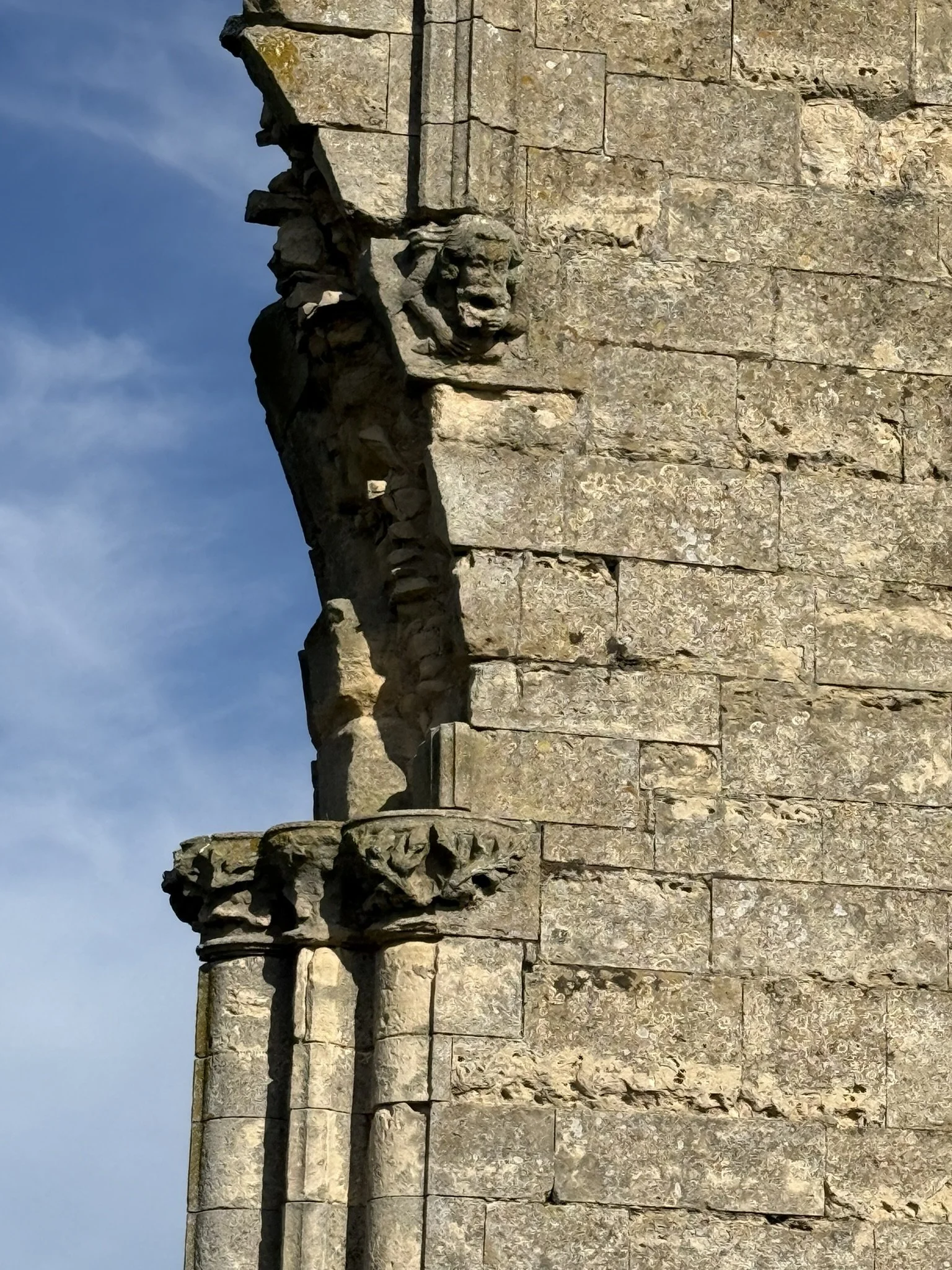
Barlings Abbey: The White Canons and the Medieval World Behind Lady of the Castle
Founded by Nicola de la Haye's uncle in 1154, Barlings Abbey was home to generations of Premonstratensian White Canons. Discover the medieval monastery that inspired Turstin's story in Lady of the Castle, from its foundation in the Lincolnshire fens to its destruction under Henry VIII.
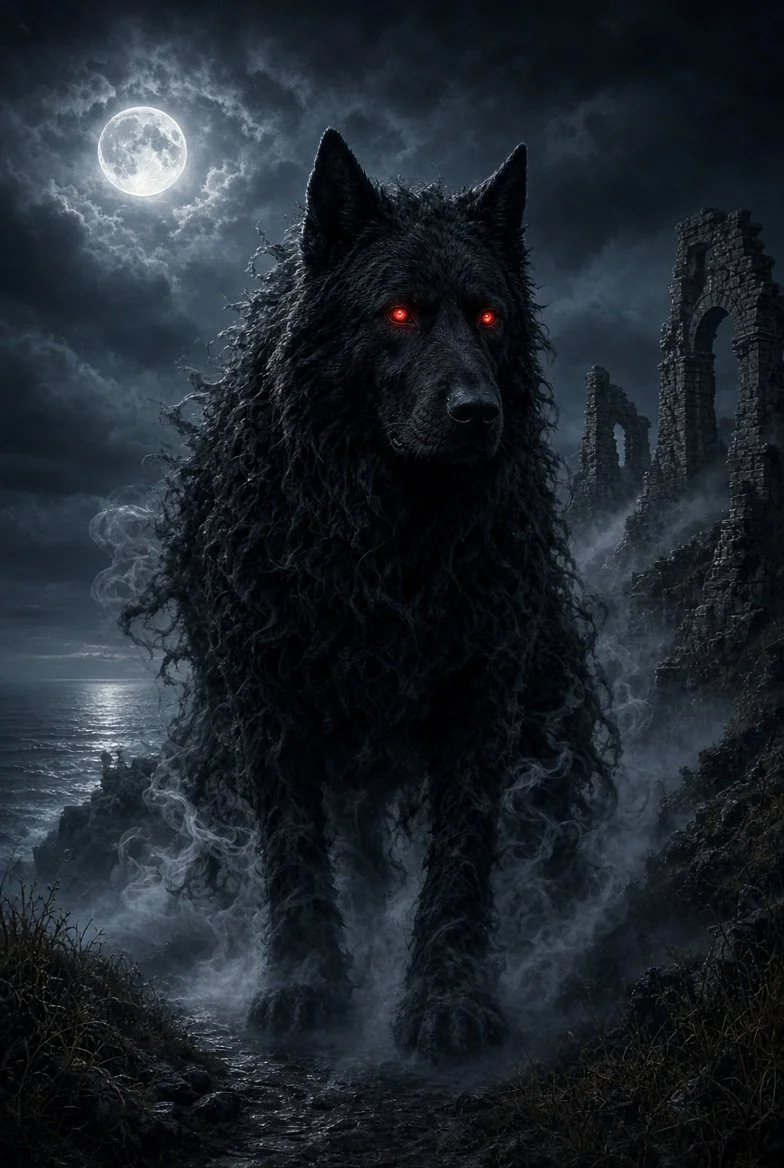
Black Shuck: The Devil’s Dog That Haunted Medieval England
A monstrous black dog with fiery eyes, a Suffolk church, and a legend stretching back into England’s past. Discover the folklore of Black Shuck—and why he prowls through both Lady of Lincoln and Lady of the Castle.
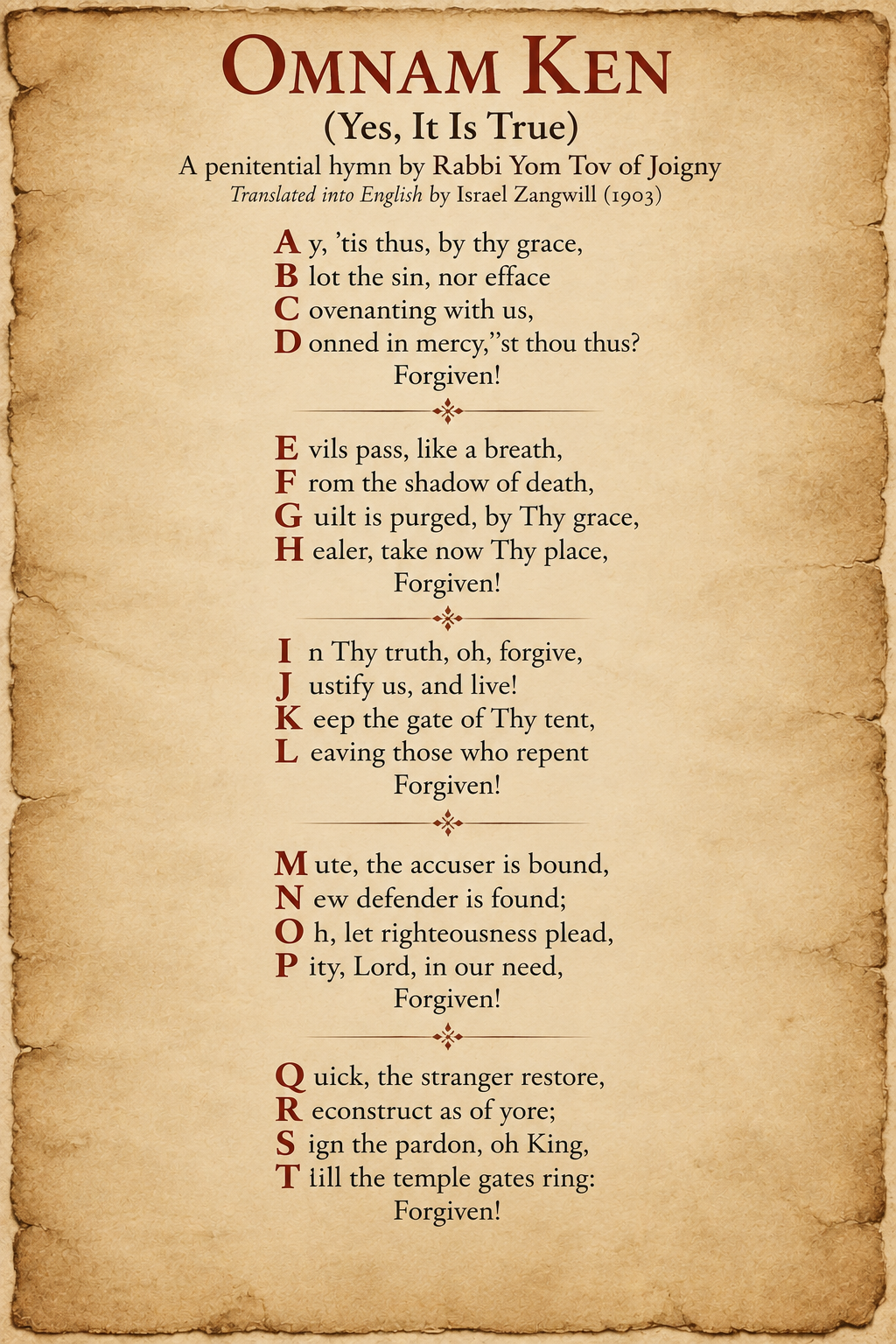
The Prayer That Outlived Him: Rabbi Yom Tov of Joigny (and York)
During the High Holy Days, a prayer written more than eight hundred years ago is still recited on Yom Kippur. Its author, Rabbi Yom Tov of Joigny, died with York's Jewish community in 1190. Centuries later, his prayer returned to Clifford's Tower..
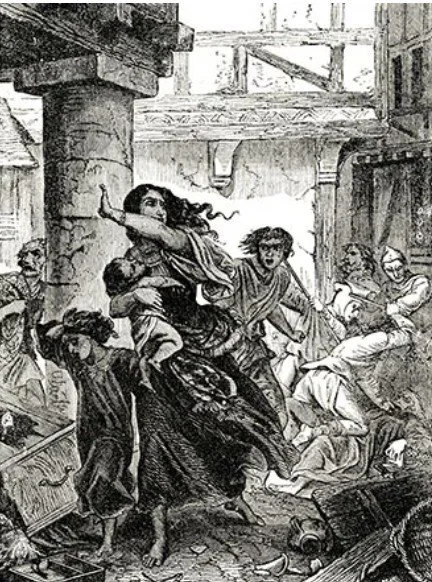
Bloodbath at the Lionheart’s Coronation
We remember Richard the Lionheart as a crusader king, a warrior who fought Saladin, and whose name resounded across Christendom. But for England’s Jews, his reign began in fire and betrayal.
Benedict of York’s story embodies that betrayal. Beaten at the doors of Westminster Hall, baptised by a friend who meant him no harm, denied even a grave among his people, his fate symbolises the peril of being both essential and despised in medieval England.
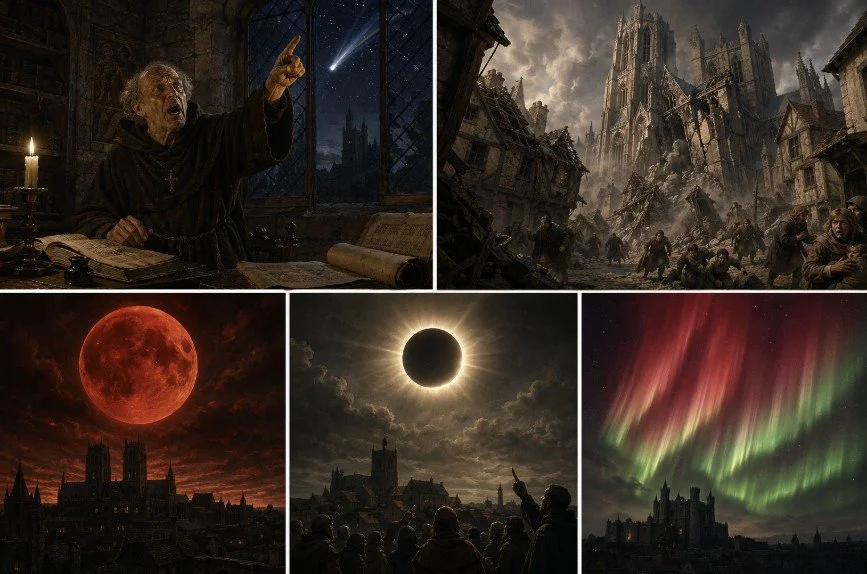
The Sky is Falling! Halley's Comet, the Bayeux Tapestry, and the Four Portents in ‘Lady of the Castle’
On This Day in History, 1066 and the Terrible Portents in Lincoln, 1185
In the spring of 1066, something extraordinary blazed across the English night sky. For several weeks, a brilliant comet hung over England, visible even in daylight, trailing a luminous tail that stretched across the heavens like a wound in the fabric of the world. People stopped in the streets to stare at it. Monks recorded it in their chronicles. Kings, it was whispered, trembled.
They were right to. Within months, Harold Godwinson was dead, the last Anglo-Saxon king of England had fallen at Hastings, and a Norman duke sat upon the English throne. Whether the comet caused any of this is, of course, a question for a different kind of historian. But what it meant — that, the medieval mind had no doubt about whatsoever.
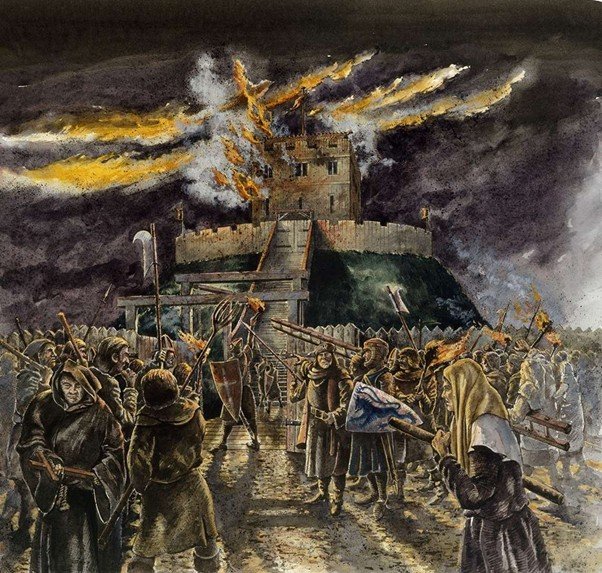
The York Massacre, 16 March 1190: On this Day in History
When England turned on its Jewish communities, and what happened when a few brave souls refused to look away
On the night of 16 March 1190, around 150 Jewish men, women, and children huddled inside a wooden tower in York Castle. Outside, a mob—some of them the city's most respectable merchants and noblemen—bayed for their blood.
By morning, almost all of them were dead.
They hadn’t committed any kind of crime, but they’d been trapped, besieged, and given a choice: forced baptism or death.
Most chose death on their own terms.
It remains one of the darkest episodes in medieval English history, and one that haunted me throughout the writing of Lady of the Castle, my upcoming historical fiction novel, the second in the Nicola de la Haye series.
The Wave of Violence
The York massacre didn’t come out of nowhere. It was the bloodiest peak of a wave of anti-Jewish violence that had been building since the accession of King Richard I in 1189. When Richard was crowned, riots broke out in London and quickly spread north—to Norwich, Stamford, King's Lynn, Lincoln, Bury St Edmunds, and York.
The causes were tangled together: religious prejudice inflamed by crusading fervour, resentment of Jewish moneylenders by nobles drowning in debt, and the age-old power of conspiracy and rumour to transform neighbours into enemies.
In some places, royal authority held. In others, it collapsed entirely.
The Dead Beneath Norwich
A medieval depiction of the persecution of Jews
We don't only know about this violence from chronicles and court records.
In 2004, construction workers digging the foundations for a shopping centre in central Norwich broke through into a medieval well. At the bottom, they found seventeen people. Six adults. Eleven children, aged roughly two to fifteen.
The bodies had been thrown in head-first. The adults had landed first, cushioning the children’s fall. Because the skeletons showed no signs of trying to break a fall, researchers concluded the victims were already dead when dropped in. All seventeen appeared to have been deposited in a single event, their bodies still complete and intact, placed in the well shortly after death.
The well lay just south of what had been Norwich’s medieval Jewish quarter. Radiocarbon dating placed the deaths between 1161 and 1216—a range that includes the recorded massacre of Norwich’s Jewish community on 6 February 1190, when, according to the chronicler Ralph de Diceto, men heading for the Crusade attacked Jewish homes before leaving the city.
DNA analysis of six of the individuals, published in 2022, confirmed what the location and circumstances had long suggested: they were almost certainly Ashkenazi Jews. Four of the six were related to each other. Three of them were sisters—the youngest between five and ten years old. A toddler boy, probably between infancy and three years of age, likely had blue eyes and red hair.
Three sisters. A red-haired toddler. Thrown into a well in the dark, and forgotten for eight hundred years.

Warrior Monks on the Lincolnshire Heath
Stand on the open heathland six miles north of Sleaford, and you can still feel it: the particular silence of a place that once held great power. (Well, actually not that silent, the birdsong in the hedgerows was almost deafening when I went there).
A single limestone tower rises above the farmyard, weathered but still standing tall, its spiral staircase worn smooth by eight centuries of footsteps.
This is Temple Bruer: the most important Knights Templar preceptory in England outside London, and a place that has fascinated me ever since I began researching the medieval world of Nicola de la Haye.
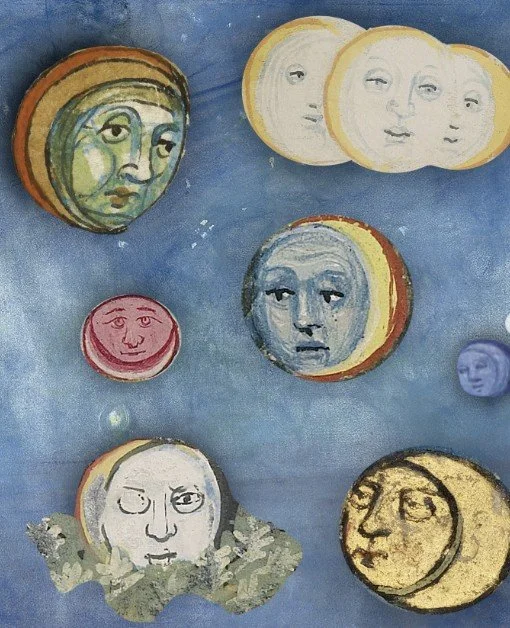
Friday the 13th Superstitions?
Forget black cats and broken mirrors—those superstitions came centuries later. Here's what people in Nicola de la Haye's time actually feared on an unlucky day.
The Evil Eye Was Everywhere
In 12th-century England, an envious glance could literally kill you. People believed that jealous or malicious looks could cause illness, spoil crops, curdle milk, or even bring death. The wealthy were particularly vulnerable—their success made them targets for envious stares. Protective charms, prayers, and amulets were essential accessories, not fashion statements.
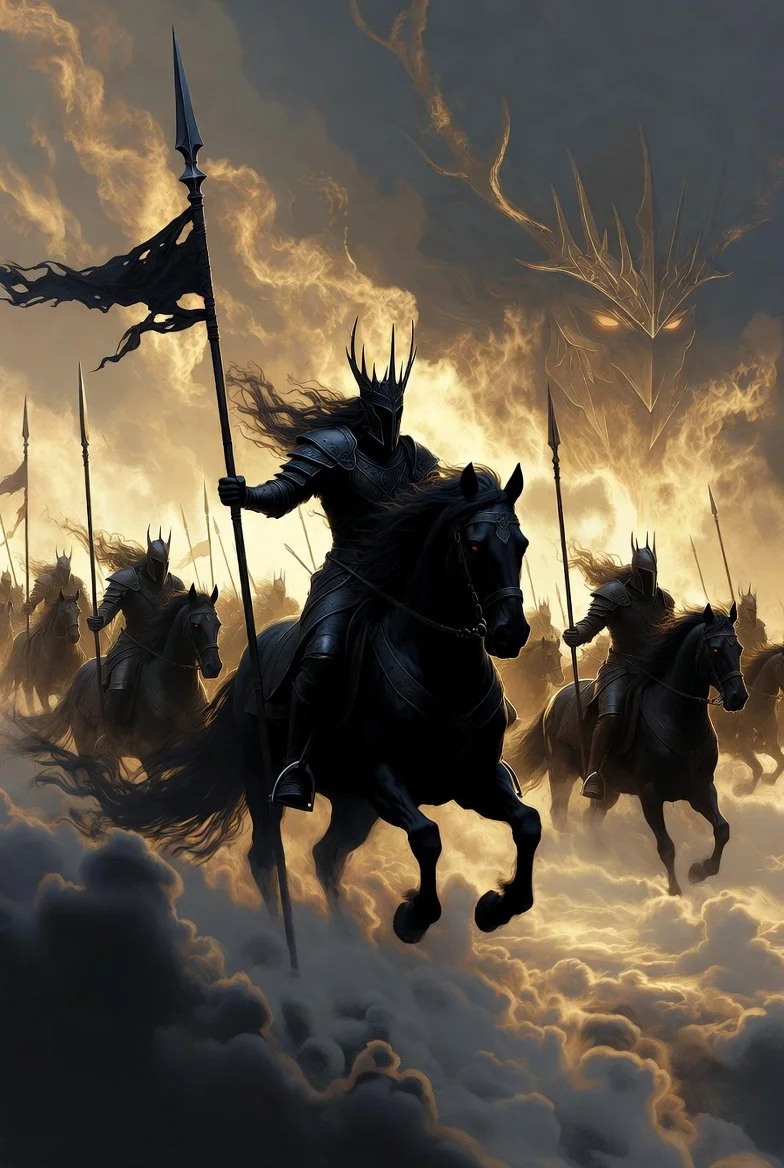
Feasts, Folklore & Boar: A Medieval Christmas with a Dash of Wild Hunt Magic
Christmas is coming; and if you think today’s festive spread is decadent, just imagine what a medieval English banquet looked like! Long before turkeys were discovered in America, people from monks to monarchs gathered round a banquet table groaning with pies, ale, spiced wine, and one very impressive centrepiece: the boar’s head.
Medieval Advent
Everyone is talking about what they have in their advent calendars: chocolates, toys, even Star Wars characters! Advent also brings to mind glittering candles on wreaths, festive jumpers, Christmas markets, mulled wine, and the countdown to Christmas morning.
I haven’t met a single person (other than fellow medieval fiction authors) who have any idea that for medieval people, Advent was not a season of indulgence or celebration. It was a period of fasting, penance, self-examination, and preparation for the Second Coming rather than Santa’s sleigh.
The earliest evidence for Advent appears in the 4th century, particularly in Gaul and Spain, where Christians observed a multi-week fast before Epiphany rather than Christmas. This early “Nativity Fast” resembled Lent: No meat, no dairy, no rich foods, no marital relations (yes, this was explicitly addressed!). By the 6th century, Rome formalised a four-week liturgical season leading up to Christmas. But unlike today’s “anticipatory joy,” medieval Advent preached repentance, vigilance, and apocalyptic expectation.
The focus wasn’t solely on celebrating Christ’s birth. Advent was designed to prepare the soul for Christ’s return in judgement. Medieval sermons emphasised humility, fear of sin, confession, charitable giving, and moral renewal. The message was clear: Christmas might be coming, but so was Judgement Day!
If modern Advent is “countdown to the festivities,” medieval Advent was “brace yourself and prepare your soul.”
Hugh de Morville: The Knight Who Would Not Repent
Lord of Westmorland and Knaresborough, de Morville escaped execution, but not history’s judgment.
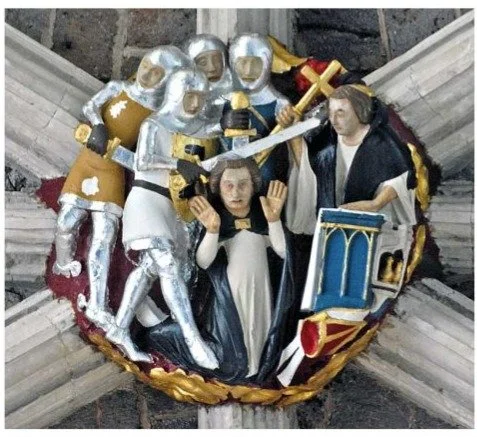
When Thomas Becket fell beneath the knights’ swords on that winter night in Canterbury, Hugh de Morville was there, but whether he struck or simply stood aside remains one of history’s greyest shadows.
He was the oldest of the four and the most powerful: Lord of Westmorland and Knaresborough, baron of the north, and keeper of one of the most formidable castles in England. While Reginald FitzUrse raged, William de Tracy hesitated, and Richard de Brito delivered the fatal blow, de Morville watched . But his silence proved to be as damning as any sword.

All Souls’ Day: Soul Cakes, Prayer and Memory
s the bells of All Saints’ Day fall silent, a gentler sound takes their place: the slow, measured knell for the departed.
2 November, All Souls’ Day, was the moment when the living turned their hearts toward those of the departed, the ordinary people, not the saints, who still journeyed through Purgatory.
The season of light ended not in mourning, but in the hope that love and prayer could reach beyond the grave.
Origins and Etymology
The word soul comes from Old English sawol, “the spiritual essence of a person.”
The “Mass of Souls,” or Soul Mass Day, was first proclaimed in 998 AD by Abbot Odilo of Cluny. He ordered that every monastery in his order should celebrate a Mass for “all the faithful departed.” From Cluny, the custom spread throughout Europe.
Yet its roots run deep into pagan soil.
All Hallows’ Day: The Feast of All Saints
After the shadowed vigil of All Hallows’ Eve came the brightness of All Hallows’ Day—later called Hallowmas.
The name joins hallow (Old English hālga, “holy person”) and mass (from Latin missa, “Eucharistic service”).
It was the day when the Church lifted its gaze from the souls still journeying toward heaven to those who had already arrived.
Altars were dressed in white, bells rang across town and countryside, and processions wound through streets lit by candles. The message was clear: the darkness of death had been overcome by the light of sainthood.
All Hallows’ Eve: The Vigil of the Departed
When twilight falls on 31 October, the Christian calendar and the old pagan year meet.
The Eve of All Hallows—from Old English hālga ǣfen (“holy evening”)—was the vigil before the Feast of All Saints.
Yet in spirit it still carried the echo of Samhain, the Celtic festival of endings and beginnings.
In pagan belief, this was the night when the barrier between worlds dissolved: the dead might revisit hearth and home, and the living could glimpse the Otherworld. Fires blazed, food was laid out for ancestors, and villagers disguised themselves to ward off or impersonate wandering spirits.
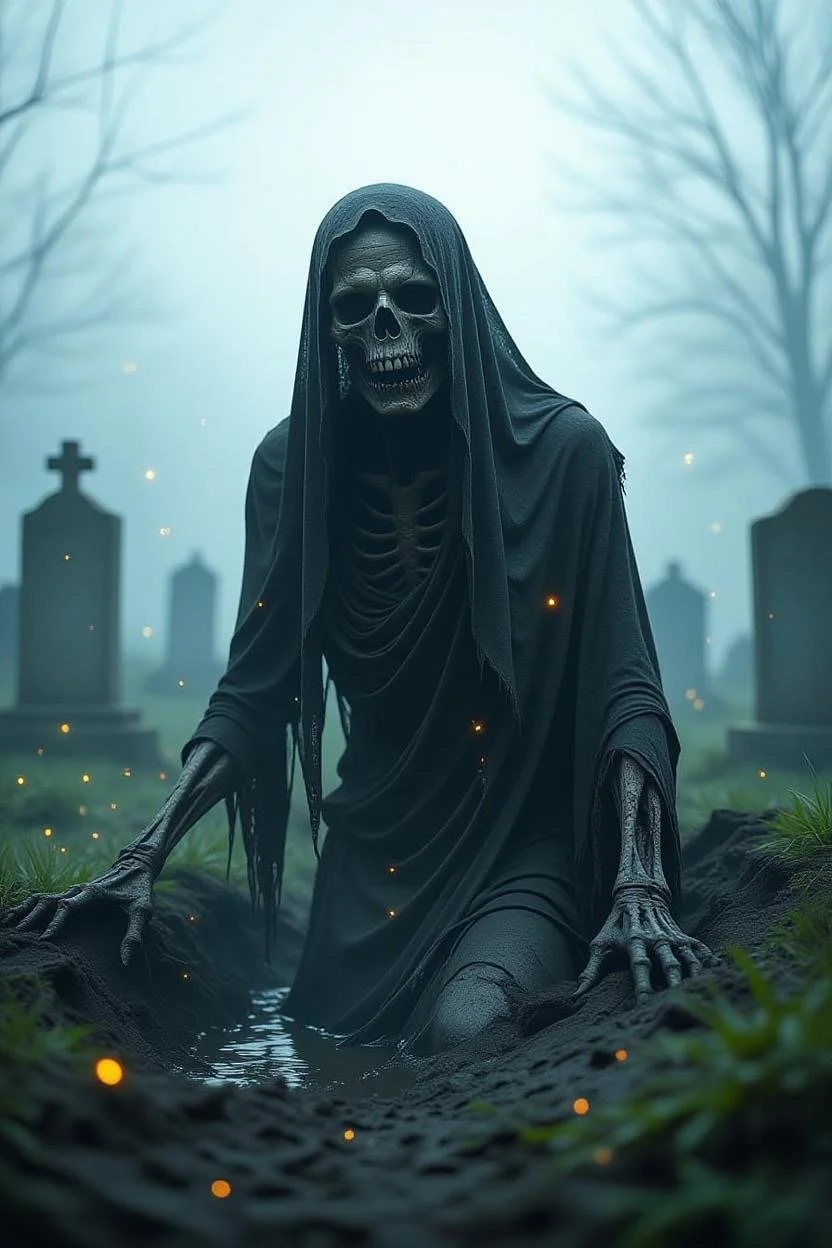
The Revenant of Hereford: Walter Map’s Medieval Walking Dead
It’s Halloween, or ‘All Halliow’s Eve’, stolen from the pagans! You might think it’s all jack-o’-lanterns, witches, and restless spirits, but long before pumpkins and trick-or-treaters, medieval storytellers were already spinning tales of the restless dead. One of the most chilling comes from Walter Map, a 12th-century courtier, wit, and author of De Nugis Curialium (Courtiers’ Trifles).
Did you know, Walter Map is a character in Rachel Elwiss Joyce’s second novel in the ‘Nicola de la Haye Series’?
Map’s collection of gossip, marvels, and supernatural tales contains one of England’s earliest written accounts of a revenant — a corpse that would not rest quietly in its grave.
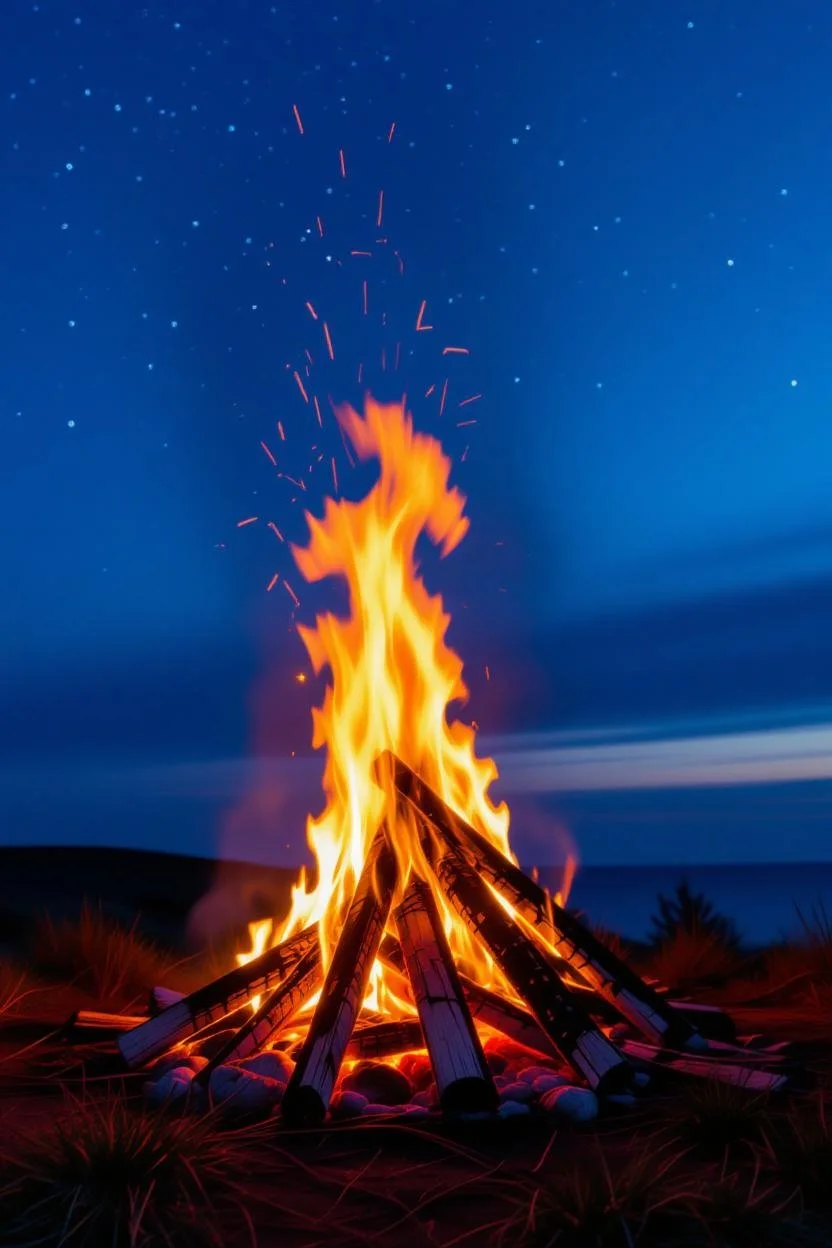
Lanterns and Mischief: From Samhain Fires to Punkie Night
In the ancient Celtic world, Samhain marked the moment when the year tipped into darkness. Bonfires blazed on hilltops, not as mere celebration but as protection—flames to cleanse, to guard livestock, and to guide wandering souls.
When Christianity spread, the bonfire’s symbolism endured. The Church kindled its own light—candles of vigil—burning in churchyards and windows on the eve of All Hallows’ Day, turning pagan flame into prayer.
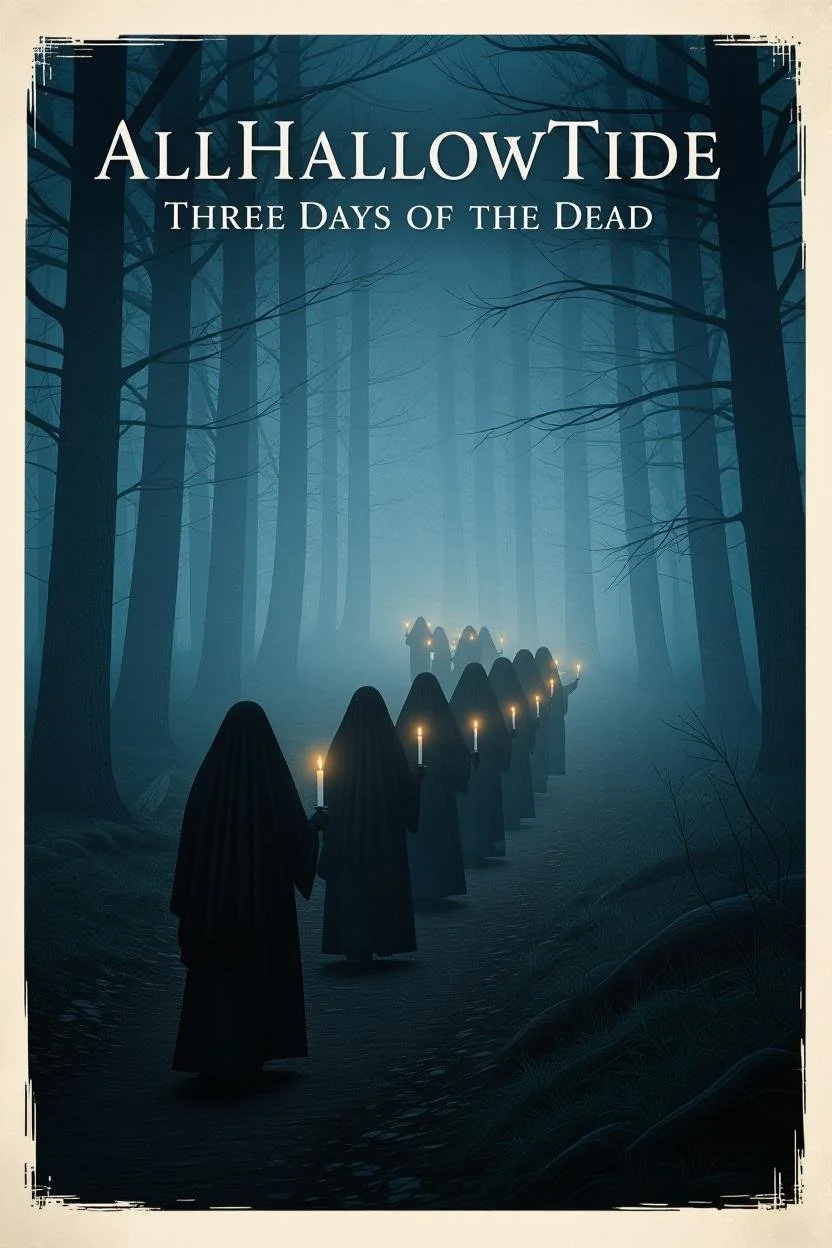
What Is Allhallowtide? The Three Days of the Dead…
As the last leaves fall and nights lengthen, the medieval calendar turns toward Allhallowtide—three days devoted to saints, souls, and the turning of the year.
The word comes from hallow (Old English hālga, “holy person”) and tīd (“time” or “season”).
For Christians of the Middle Ages, it was a sacred hinge between worlds: a time to honour the saints in heaven, pray for souls in Purgatory, and remember the dead on earth.
But these days did not arise from nowhere. Long before church bells rang, the Celts gathered at Samhain—literally “summer’s end.” The festival marked the boundary between the light and dark halves of the year, when harvest was over and the veil between living and dead grew thin.
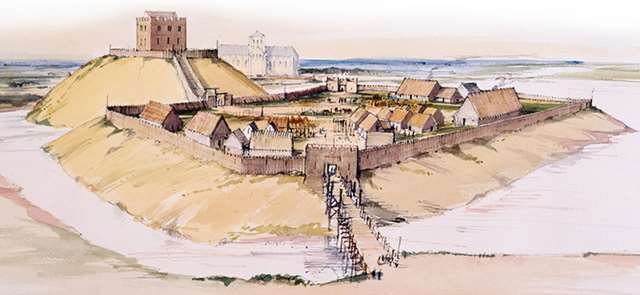
What really burned at York Castle in 1190?
York Castle in 1190 was a large motte-and-bailey complex, not merely a tower. The Jewish community was trapped in the inner stronghold on the motte. Although this is usually reconstructed as wholly wooden, William of Newburgh’s account of stones removed from an inner wall may indicate a stone shell keep containing timber buildings.

What Languages Did Jews Speak in Medieval England?
In twelfth-century England, Jewish communities lived in a world of many languages: Hebrew for prayer and scholarship, Anglo-Norman French for daily life and business, early Yiddish among German-origin Jews, and Middle English among their neighbours. Here’s how that multilingual world shaped the Jewish characters in Lady of the Castle.
-
Biographies
- 31 Aug 2026 She Didn't Wait for Permission 31 Aug 2026
- 26 Aug 2026 Eleanor of Vermandois 26 Aug 2026
- 26 Aug 2026 Richard the Lionheart at Sixteen: the Making of a Warrior Duke 26 Aug 2026
- 25 Aug 2026 Hugh de Morville: The Knight Who Would Not Repent 25 Aug 2026
- 12 Aug 2026 Reginald FitzUrse: The Bear Knight Who Slayed a Saint 12 Aug 2026
- 12 Aug 2026 Eleanor of Aquitaine: Queen, Duchess, and Mother of Rebels 12 Aug 2026
- 12 Aug 2026 Henry II of England – The Jailer of Queens 12 Aug 2026
- 11 Aug 2026 Geoffrey of Anjou: The Handsome Count Who Founded the Plantagenet Dynasty (Died 7th September 1151) 11 Aug 2026
- 3 Jul 2026 Lucy of Bolingbroke: The Woman Behind Lincoln Castle's Lucy Tower 3 Jul 2026
- 3 Jul 2026 Muriel of Lincoln 3 Jul 2026
-
CrimeAndJustice
- 31 Aug 2026 The York Massacre, 16 March 1190: On this Day in History 31 Aug 2026
- 26 Aug 2026 A Rat, a Skull, and a Murder That History Never Solved 26 Aug 2026
- 25 Aug 2026 Richard de Brito: The Forgotten Killer; and a very Dangerous Friend 25 Aug 2026
- 25 Aug 2026 William de Tracy: The Penitent Knight of Canterbury 25 Aug 2026
- 12 Aug 2026 Henry II of England – The Jailer of Queens 12 Aug 2026
- 11 Aug 2026 Geoffrey de Mandeville – The Terror of Widows and Nuns 11 Aug 2026
- 11 Aug 2026 Philippe II (Augustus) of France Humiliated Queen Ingeborg 11 Aug 2026
- 11 Aug 2026 Fulk V of Anjou: the King Who Beat His Queen 11 Aug 2026
- 11 Aug 2026 Matthew of Boulogne: The Count Who Kidnapped a Nun 11 Aug 2026
-
EnglandAndAngevinEmpire
- 12 Oct 2026 Barlings Abbey: The White Canons and the Medieval World Behind Lady of the Castle 12 Oct 2026
- 1 Oct 2026 Black Shuck: The Devil’s Dog That Haunted Medieval England 1 Oct 2026
- 7 Sept 2026 The Treaty of Lambeth, 1217 7 Sept 2026
- 24 Aug 2026 How Nicola de la Haye and Gerard de Camville Conquered the Sea, and Made a Deadly Enemy 24 Aug 2026
- 10 Aug 2026 Willikin of the Weald: Was He the Real Inspiration for Robin Hood? 10 Aug 2026
- 3 Aug 2026 The Real Sheriff of Nottingham? 3 Aug 2026
- 6 Jul 2026 Lincoln's Lost Castle: The Rise and Fall of Thorngate 6 Jul 2026
- 23 Jun 2026 Why the Plantenet Angevins Ruled Half of Europe 23 Jun 2026
-
EverydayLife
- 12 Oct 2026 Barlings Abbey: The White Canons and the Medieval World Behind Lady of the Castle 12 Oct 2026
- 26 Aug 2026 Medieval New Year's Eve: When Chaos Was the Point 26 Aug 2026
- 26 Aug 2026 Feasts, Folklore & Boar: A Medieval Christmas with a Dash of Wild Hunt Magic 26 Aug 2026
- 26 Aug 2026 A’Wassailing We Come! 26 Aug 2026
- 26 Aug 2026 Medieval Advent 26 Aug 2026
- 17 Aug 2026 Capons, Cocks and Hens: Keeping Chickens in Medieval England 17 Aug 2026
- 12 Aug 2026 All Souls’ Day: Soul Cakes, Prayer and Memory 12 Aug 2026
- 12 Aug 2026 All Hallows’ Day: The Feast of All Saints 12 Aug 2026
- 12 Aug 2026 All Hallows’ Eve: The Vigil of the Departed 12 Aug 2026
- 12 Aug 2026 Lanterns and Mischief: From Samhain Fires to Punkie Night 12 Aug 2026
- 12 Aug 2026 What Is Allhallowtide? The Three Days of the Dead… 12 Aug 2026
- 22 Jun 2026 What Languages Did Jews Speak in Medieval England? 22 Jun 2026
-
HistoricalEvents
- 17 Oct 2026 The Battle of Fornham 17 October 1217 17 Oct 2026
- 16 Sept 2026 The Prayer That Outlived Him: Rabbi Yom Tov of Joigny (and York) 16 Sept 2026
- 7 Sept 2026 The Treaty of Lambeth, 1217 7 Sept 2026
- 31 Aug 2026 Magna Carta Day: The Meadow Where a King Was Made to Yield, and the Woman Who Saved It from Ruin 31 Aug 2026
- 31 Aug 2026 Battle of Lincoln 1217: The Woman Who Held the Castle That Saved England 31 Aug 2026
- 31 Aug 2026 The Sky is Falling! Halley's Comet, the Bayeux Tapestry, and the Four Portents in ‘Lady of the Castle’ 31 Aug 2026
- 31 Aug 2026 How a Birthday Party at Chinon Kickstarted a Civil War (5 March 1173) 31 Aug 2026
- 26 Aug 2026 A Rat, a Skull, and a Murder That History Never Solved 26 Aug 2026
- 26 Aug 2026 ‘King and Conqueror’: How much truth-stretching is acceptable? 26 Aug 2026
- 25 Aug 2026 Medieval Succession: When Henry II’s Empire Imploded 25 Aug 2026
- 25 Aug 2026 Richard de Brito: The Forgotten Killer; and a very Dangerous Friend 25 Aug 2026
- 25 Aug 2026 William de Tracy: The Penitent Knight of Canterbury 25 Aug 2026
- 12 Aug 2026 Reginald FitzUrse: The Bear Knight Who Slayed a Saint 12 Aug 2026
- 12 Aug 2026 The Shadow of Becket: How a Murder Shook the Kingdom 12 Aug 2026
- 11 Aug 2026 Princes Without Power: Why Henry the Young King Rebelled 11 Aug 2026
- 27 Jul 2026 What really burned at York Castle in 1190? 27 Jul 2026
- 22 Jun 2026 The Battle of Fornham: When a Countess Rode to War and Changed Medieval England Forever 22 Jun 2026
-
HistoricalFiction
- 26 Aug 2026 Warrior Monks on the Lincolnshire Heath 26 Aug 2026
- 26 Aug 2026 Nicola de la Haye 26 Aug 2026
- 26 Aug 2026 Fastrada: Charlemagne’s Queen History Tried to Forget 26 Aug 2026
- 26 Aug 2026 Wu Zetian: The Woman Who Ruled an Empire 26 Aug 2026
- 26 Aug 2026 ‘King and Conqueror’: How much truth-stretching is acceptable? 26 Aug 2026
- 26 Aug 2026 Empress Theodora of Byzantium: She Saved an Empire 26 Aug 2026
- 26 Aug 2026 Hypatia of Alexandria 26 Aug 2026
- 25 Aug 2026 Zenobia of Palmyra: the Queen Who Defied Rome 25 Aug 2026
- 25 Aug 2026 Vibia Sabina: Empress, Wife of Hadrian 25 Aug 2026
- 25 Aug 2026 Claudia Procula, Pontius Pilate’s wife 25 Aug 2026
- 12 Aug 2026 Zipporah, the Wife of Moses 12 Aug 2026
- 12 Aug 2026 The Revenant of Hereford: Walter Map’s Medieval Walking Dead 12 Aug 2026
-
People
- 26 Aug 2026 The Saxon Secret to Avoiding a Bad Ruler 26 Aug 2026
- 25 Aug 2026 Medieval Succession: When Henry II’s Empire Imploded 25 Aug 2026
- 24 Aug 2026 How Nicola de la Haye and Gerard de Camville Conquered the Sea, and Made a Deadly Enemy 24 Aug 2026
- 12 Aug 2026 The Shadow of Becket: How a Murder Shook the Kingdom 12 Aug 2026
- 11 Aug 2026 Princes Without Power: Why Henry the Young King Rebelled 11 Aug 2026
- 10 Aug 2026 Willikin of the Weald: Was He the Real Inspiration for Robin Hood? 10 Aug 2026
- 3 Aug 2026 The Real Sheriff of Nottingham? 3 Aug 2026
-
ReligionMagicandBelief
- 12 Oct 2026 Barlings Abbey: The White Canons and the Medieval World Behind Lady of the Castle 12 Oct 2026
- 1 Oct 2026 Black Shuck: The Devil’s Dog That Haunted Medieval England 1 Oct 2026
- 16 Sept 2026 The Prayer That Outlived Him: Rabbi Yom Tov of Joigny (and York) 16 Sept 2026
- 3 Sept 2026 Bloodbath at the Lionheart’s Coronation 3 Sept 2026
- 31 Aug 2026 The Sky is Falling! Halley's Comet, the Bayeux Tapestry, and the Four Portents in ‘Lady of the Castle’ 31 Aug 2026
- 31 Aug 2026 The York Massacre, 16 March 1190: On this Day in History 31 Aug 2026
- 26 Aug 2026 Warrior Monks on the Lincolnshire Heath 26 Aug 2026
- 26 Aug 2026 Friday the 13th Superstitions? 26 Aug 2026
- 26 Aug 2026 Feasts, Folklore & Boar: A Medieval Christmas with a Dash of Wild Hunt Magic 26 Aug 2026
- 26 Aug 2026 Medieval Advent 26 Aug 2026
- 25 Aug 2026 Hugh de Morville: The Knight Who Would Not Repent 25 Aug 2026
- 12 Aug 2026 All Souls’ Day: Soul Cakes, Prayer and Memory 12 Aug 2026
- 12 Aug 2026 All Hallows’ Day: The Feast of All Saints 12 Aug 2026
- 12 Aug 2026 All Hallows’ Eve: The Vigil of the Departed 12 Aug 2026
- 12 Aug 2026 The Revenant of Hereford: Walter Map’s Medieval Walking Dead 12 Aug 2026
- 12 Aug 2026 Lanterns and Mischief: From Samhain Fires to Punkie Night 12 Aug 2026
- 12 Aug 2026 What Is Allhallowtide? The Three Days of the Dead… 12 Aug 2026
- 27 Jul 2026 What really burned at York Castle in 1190? 27 Jul 2026
- 22 Jun 2026 What Languages Did Jews Speak in Medieval England? 22 Jun 2026
-
TimePeriods
- 31 Aug 2026 How a Birthday Party at Chinon Kickstarted a Civil War (5 March 1173) 31 Aug 2026
- 26 Aug 2026 Friday the 13th Superstitions? 26 Aug 2026
- 26 Aug 2026 Richard the Lionheart at Sixteen: the Making of a Warrior Duke 26 Aug 2026
- 11 Aug 2026 Geoffrey of Anjou: The Handsome Count Who Founded the Plantagenet Dynasty (Died 7th September 1151) 11 Aug 2026
- 23 Jun 2026 Why the Plantenet Angevins Ruled Half of Europe 23 Jun 2026
-
WomeninHistory
- 17 Oct 2026 The Battle of Fornham 17 October 1217 17 Oct 2026
- 31 Aug 2026 Magna Carta Day: The Meadow Where a King Was Made to Yield, and the Woman Who Saved It from Ruin 31 Aug 2026
- 31 Aug 2026 Battle of Lincoln 1217: The Woman Who Held the Castle That Saved England 31 Aug 2026
- 31 Aug 2026 She Didn't Wait for Permission 31 Aug 2026
- 26 Aug 2026 The Saxon Secret to Avoiding a Bad Ruler 26 Aug 2026
- 26 Aug 2026 Nicola de la Haye 26 Aug 2026
- 26 Aug 2026 Eleanor of Vermandois 26 Aug 2026
- 26 Aug 2026 Fastrada: Charlemagne’s Queen History Tried to Forget 26 Aug 2026
- 26 Aug 2026 Wu Zetian: The Woman Who Ruled an Empire 26 Aug 2026
- 26 Aug 2026 Empress Theodora of Byzantium: She Saved an Empire 26 Aug 2026
- 26 Aug 2026 Hypatia of Alexandria 26 Aug 2026
- 25 Aug 2026 Zenobia of Palmyra: the Queen Who Defied Rome 25 Aug 2026
- 25 Aug 2026 Vibia Sabina: Empress, Wife of Hadrian 25 Aug 2026
- 25 Aug 2026 Claudia Procula, Pontius Pilate’s wife 25 Aug 2026
- 12 Aug 2026 Zipporah, the Wife of Moses 12 Aug 2026
- 12 Aug 2026 Eleanor of Aquitaine: Queen, Duchess, and Mother of Rebels 12 Aug 2026
- 11 Aug 2026 Geoffrey de Mandeville – The Terror of Widows and Nuns 11 Aug 2026
- 11 Aug 2026 Philippe II (Augustus) of France Humiliated Queen Ingeborg 11 Aug 2026
- 11 Aug 2026 Fulk V of Anjou: the King Who Beat His Queen 11 Aug 2026
- 11 Aug 2026 Matthew of Boulogne: The Count Who Kidnapped a Nun 11 Aug 2026
- 3 Jul 2026 Lucy of Bolingbroke: The Woman Behind Lincoln Castle's Lucy Tower 3 Jul 2026
- 3 Jul 2026 Muriel of Lincoln 3 Jul 2026
- 22 Jun 2026 The Battle of Fornham: When a Countess Rode to War and Changed Medieval England Forever 22 Jun 2026
- 1173-4 Great Rebellion
- 12th Century
- 12th Century History
- All Hallow Tide
- Angevin Empire
- Battle of Fornham
- Battle of Fornham St Genevieve
- Battle of Lincoln
- Battle of Lincoln 1217
- Becket Martyrdom 1170
- Becket's Assassins
- Becket's murder 1170
- Biblical Women
- Canterbury Cathedral
- Christianity
- Christmas
- Clifford's Tower
- Clifford's Tower massacre
- Countess of Leicester
- Crusade
- Earl of Leicester
- Eleanor of Aquitaine
- Eleanor of Aquitane Imprisonment
- England
- English civil war
- female warriors
- Folklore
- Forgotten Women
- Forgotten Women of History
- Geoffrey of Anjou
- Gerard de Camville
- Halloween
- Henry II
- Henry II and Becket conflict
- Henry II and Eleanor of Aquitaine
- Henry the Young King
- Historical Fiction
- Household Knights
- King John
- Knights Who Killed Thomas Becket
- Lady of England
- Lady of Lincoln
- Lady of Lincoln Novel
- Lady of the Castle
- Lincoln Castle
- Lincoln Castle history
- Magna Carta
- Medieval
- Medieval Antisemitism
- Medieval battles
- Medieval Christmas
- Medieval Customs
- Medieval England
- Medieval England and France
- Medieval Feasts
- Medieval Folklore
- Medieval France
- Medieval historical fiction
- Medieval Historical Fiction
- Medieval History
- medieval Jewish history
- Medieval Jews
- Medieval Lincolnshire
- Medieval Misogyny
- Medieval Queens
- Medieval Superstitions
- medieval warfare
- medieval women
- Misogyny in the Middle Ages
- Muriel of Lincoln
- Nicholaa de la Haye
- Nicholaa de la Haye novel
- Nicola de la Haye
- Nicola de la Haye historical fiction
- Nicola de la Haye novel
- Norman Conquest
- Norman Invasion
- Paganism
- Petronilla de Grandmesnil
- Plantagenet dynasty
- Plantagenet Princes
- Revolt of the Eaglets
- Richard I
- Richard the Lionheart
- Robert de Beaumont
- Romans
- Samhain
- Saxons
- Suffolk history
- The Anarchy
- Thomas Becket
- Thomas Becket Murder
- William FitzErneis
- Women in armour
- Women in History
- women in medieval England
- women warriors
- Women who fought in battles
- York Jewish massacre 1190
- York massacre 1190