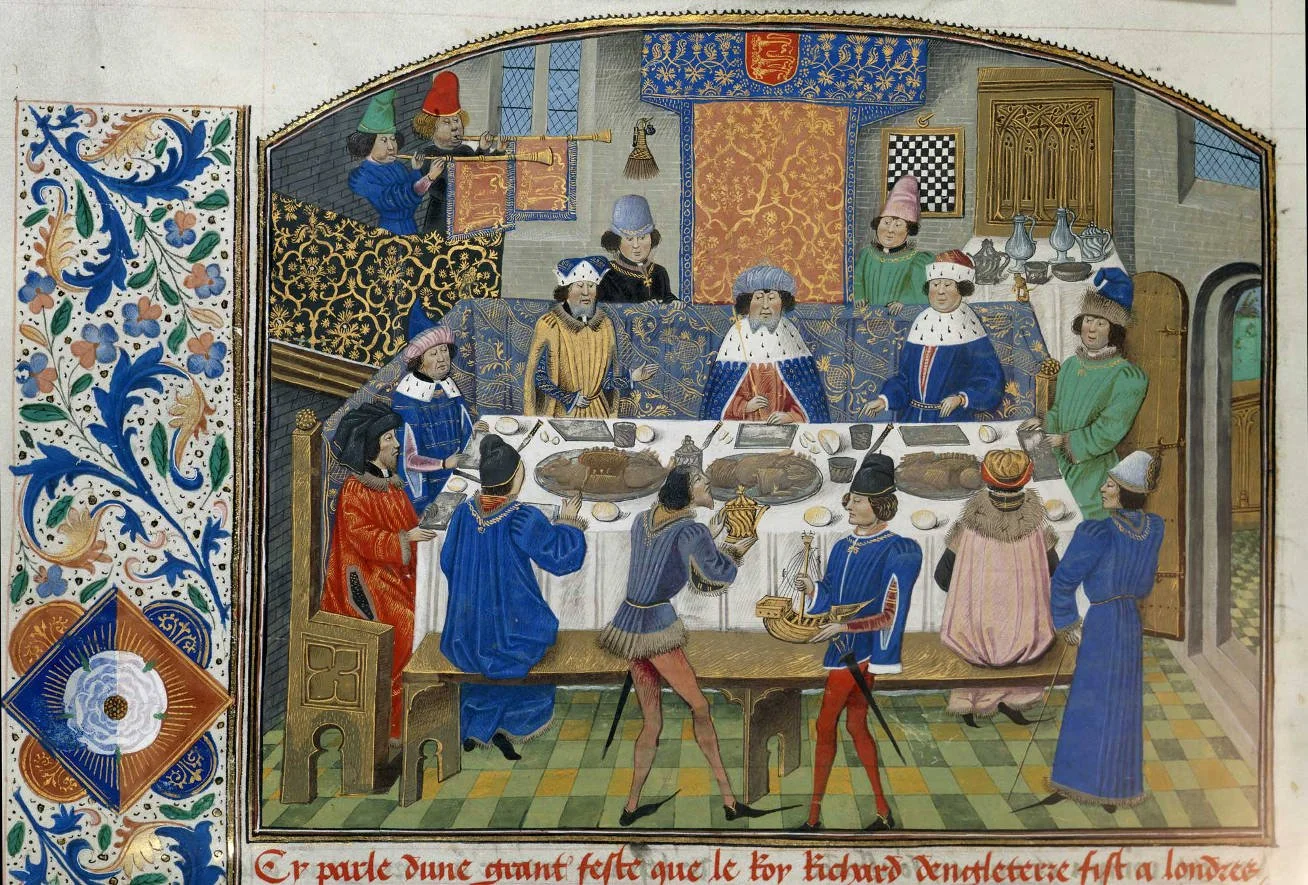
How a Birthday Party at Chinon Kickstarted a Civil War (5 March 1173)
Today is my birthday 😁. And as birthdays go, I could have shared mine with worse people, because 5 March 1133 was also the birthday of Henry II of England, born at Le Mans, one of the most formidable rulers medieval Europe ever produced.
Henry II’s Birthday was 5th March
Soldier, lawgiver, empire-builder, father of eight legitimate children (and countless illegitimate ones), and a man whose family would become both his greatest weapon, his biggest headache, and eventually most spectacular downfall.
Which makes today a good day to talk about what happened on his fortieth birthday, in 1173. Because that evening a feast was held at Château de Chinon. The great hall would have been ablaze with candlelight and Henry, thinking he’d managed to control his spoiled, entitled (but courteous and generous) namesake son, allowed the goblets to be repeatedly refilled by his son’s own hand.
The drunkenness that followed led to everything that followed: the Great Rebellion, where Henry’s family were torn apart, and his throne would never feel secure again.
This event, and the Great Rebellion itself, runs through the heart of my novel Lady of Lincoln.

Eleanor of Aquitaine: Queen, Duchess, and Mother of Rebels
When their sons grew to manhood, Eleanor encouraged them to demand their inheritance. Henry the Young King, Richard, and Geoffrey wanted lands to rule; Henry II refused. In 1173, when the princes fled to France, Eleanor supported them. Chroniclers later claimed she disguised herself as a man to join them—an image that has haunted legend ever since.
Her rebellion failed. Henry II’s forces captured her later that year while she travelled through Poitou. For the next sixteen years she was kept under guard, a queen turned prisoner. Yet even captivity could not erase her influence: her sons would continue to fight in her name.

Henry II of England – The Jailer of Queens
When Henry of Anjou (later Henry II, also known as Henry Plantagenet) married Eleanor of Aquitaine in 1152, they created a political alliance of breath taking scale. Henry was heir to the English throne; Eleanor, just divorced from King Louis VII of France, brought with her the duchy of Aquitaine, one of the wealthiest and most independent regions in Europe.
For a time, their marriage was a true partnership. Eleanor rode beside Henry on campaign, governed Aquitaine in his name, and bore him eight children. Together, they forged the Angevin Empire stretching from the Scottish borders to the Pyrenees.
But power and passion soured into mistrust. By the 1170s, the marriage had collapsed into open hostility.

Princes Without Power: Why Henry the Young King Rebelled
On 14 June 1170, in Westminster Abbey, England witnessed a rare spectacle: a king crowned in his father’s lifetime. The boy was Henry, eldest surviving son of Henry II and Eleanor of Aquitaine. At just fifteen, he was anointed, crowned, and hailed as rex iunior — the Young King.
It should have been the beginning of a glittering reign. Instead, it became the seed of betrayal.
Did you know? Henry the Young King’s coronation feast is covered in Lady of Lincoln.
A King Without a Kingdom
Despite the grandeur of his coronation, the Young King had no real authority. His father ruled with a firm hand and was unwilling to share power. Henry II kept hold of the castles, the revenues, and the decision-making. The son was left with ceremony but no substance.
Contemporaries pitied him. William of Newburgh remarked that the lad “was king in name only, while his father held the reins of government.” Others saw a prince who enjoyed the tournaments and glittering life of a knight but lacked the lands and soldiers that made a medieval ruler truly powerful.

Geoffrey of Anjou: The Handsome Count Who Founded the Plantagenet Dynasty (Died 7th September 1151)
On September 7, 1151, Geoffrey of Anjou — known as “le Bel” or “the Handsome” — collapsed with a sudden fever and died at just 38 years old.
He was never king. He never wore a crown.
And yet, Geoffrey Plantagenet shaped the medieval world more than many monarchs.
Without him, there would be no Henry II, no Richard the Lionheart, no King John and Magna Carta, and no centuries-long Plantagenet dynasty. Geoffrey’s story isn’t just a footnote — it’s the spark that set medieval England ablaze.
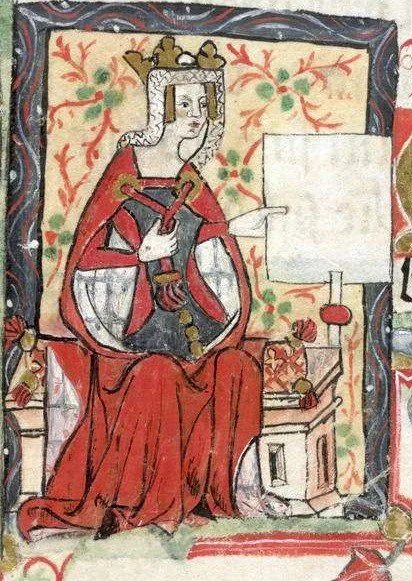
Why the Plantenet Angevins Ruled Half of Europe
When most people think of medieval kings, we generally think of one monarch, one kingdom, and then the people below him.. But Henry II of England—first of the Angevin kings—was no ordinary ruler. By the 1170s, he commanded more territory than any other monarch in Christendom, stretching from the wild hills of Northumberland to the sunlit vineyards of Aquitaine. He was king in only England—he was the Norman and Aquitainian duke, the count of Anjou, Touraine, and Maine. But is was all his dominion, and it was so vast that chroniclers called it an “empire,” though it was stitched together by marriage, inheritance, and sheer force of will.
So how did a French count’s son come to rule half of Europe?
The Battle of Fornham: When a Countess Rode to War and Changed Medieval England Forever
In the mist-shrouded dawn of October 17, 1173, near the quiet Suffolk village of Fornham St. Genevieve, history was about to witness something remarkable. Not just another medieval battle between king and rebels, but the extraordinary tale of a countess who donned armor, took up lance and shield, and rode into battle alongside her husband against the Crown itself.
This is the story of Petronilla de Grandmesnil, Countess of Leicester – a woman whose courage would echo through the centuries, and whose fall into a muddy ditch would become one of the most memorable moments of medieval English warfare.
-
Biographies
- 31 Aug 2026 She Didn't Wait for Permission 31 Aug 2026
- 26 Aug 2026 Eleanor of Vermandois 26 Aug 2026
- 26 Aug 2026 Richard the Lionheart at Sixteen: the Making of a Warrior Duke 26 Aug 2026
- 25 Aug 2026 Hugh de Morville: The Knight Who Would Not Repent 25 Aug 2026
- 12 Aug 2026 Reginald FitzUrse: The Bear Knight Who Slayed a Saint 12 Aug 2026
- 12 Aug 2026 Eleanor of Aquitaine: Queen, Duchess, and Mother of Rebels 12 Aug 2026
- 12 Aug 2026 Henry II of England – The Jailer of Queens 12 Aug 2026
- 11 Aug 2026 Geoffrey of Anjou: The Handsome Count Who Founded the Plantagenet Dynasty (Died 7th September 1151) 11 Aug 2026
- 3 Jul 2026 Lucy of Bolingbroke: The Woman Behind Lincoln Castle's Lucy Tower 3 Jul 2026
- 3 Jul 2026 Muriel of Lincoln 3 Jul 2026
-
CrimeAndJustice
- 31 Aug 2026 The York Massacre, 16 March 1190: On this Day in History 31 Aug 2026
- 26 Aug 2026 A Rat, a Skull, and a Murder That History Never Solved 26 Aug 2026
- 25 Aug 2026 Richard de Brito: The Forgotten Killer; and a very Dangerous Friend 25 Aug 2026
- 25 Aug 2026 William de Tracy: The Penitent Knight of Canterbury 25 Aug 2026
- 12 Aug 2026 Henry II of England – The Jailer of Queens 12 Aug 2026
- 11 Aug 2026 Geoffrey de Mandeville – The Terror of Widows and Nuns 11 Aug 2026
- 11 Aug 2026 Philippe II (Augustus) of France Humiliated Queen Ingeborg 11 Aug 2026
- 11 Aug 2026 Fulk V of Anjou: the King Who Beat His Queen 11 Aug 2026
- 11 Aug 2026 Matthew of Boulogne: The Count Who Kidnapped a Nun 11 Aug 2026
-
EnglandAndAngevinEmpire
- 7 Sept 2026 The Treaty of Lambeth, 1217 7 Sept 2026
- 24 Aug 2026 How Nicola de la Haye and Gerard de Camville Conquered the Sea, and Made a Deadly Enemy 24 Aug 2026
- 10 Aug 2026 Willikin of the Weald: Was He the Real Inspiration for Robin Hood? 10 Aug 2026
- 3 Aug 2026 The Real Sheriff of Nottingham? 3 Aug 2026
- 6 Jul 2026 Lincoln's Lost Castle: The Rise and Fall of Thorngate 6 Jul 2026
- 23 Jun 2026 Why the Plantenet Angevins Ruled Half of Europe 23 Jun 2026
-
EverydayLife
- 26 Aug 2026 Medieval New Year's Eve: When Chaos Was the Point 26 Aug 2026
- 26 Aug 2026 Feasts, Folklore & Boar: A Medieval Christmas with a Dash of Wild Hunt Magic 26 Aug 2026
- 26 Aug 2026 A’Wassailing We Come! 26 Aug 2026
- 26 Aug 2026 Medieval Advent 26 Aug 2026
- 17 Aug 2026 Capons, Cocks and Hens: Keeping Chickens in Medieval England 17 Aug 2026
- 12 Aug 2026 All Souls’ Day: Soul Cakes, Prayer and Memory 12 Aug 2026
- 12 Aug 2026 All Hallows’ Day: The Feast of All Saints 12 Aug 2026
- 12 Aug 2026 All Hallows’ Eve: The Vigil of the Departed 12 Aug 2026
- 12 Aug 2026 Lanterns and Mischief: From Samhain Fires to Punkie Night 12 Aug 2026
- 12 Aug 2026 What Is Allhallowtide? The Three Days of the Dead… 12 Aug 2026
- 22 Jun 2026 What Languages Did Jews Speak in Medieval England? 22 Jun 2026
-
HistoricalEvents
- 16 Sept 2026 The Prayer That Outlived Him: Rabbi Yom Tov of Joigny (and York) 16 Sept 2026
- 7 Sept 2026 The Treaty of Lambeth, 1217 7 Sept 2026
- 31 Aug 2026 Magna Carta Day: The Meadow Where a King Was Made to Yield, and the Woman Who Saved It from Ruin 31 Aug 2026
- 31 Aug 2026 Battle of Lincoln 1217: The Woman Who Held the Castle That Saved England 31 Aug 2026
- 31 Aug 2026 The Sky is Falling! Halley's Comet, the Bayeux Tapestry, and the Four Portents in ‘Lady of the Castle’ 31 Aug 2026
- 31 Aug 2026 How a Birthday Party at Chinon Kickstarted a Civil War (5 March 1173) 31 Aug 2026
- 26 Aug 2026 A Rat, a Skull, and a Murder That History Never Solved 26 Aug 2026
- 26 Aug 2026 ‘King and Conqueror’: How much truth-stretching is acceptable? 26 Aug 2026
- 25 Aug 2026 Medieval Succession: When Henry II’s Empire Imploded 25 Aug 2026
- 25 Aug 2026 Richard de Brito: The Forgotten Killer; and a very Dangerous Friend 25 Aug 2026
- 25 Aug 2026 William de Tracy: The Penitent Knight of Canterbury 25 Aug 2026
- 12 Aug 2026 Reginald FitzUrse: The Bear Knight Who Slayed a Saint 12 Aug 2026
- 12 Aug 2026 The Shadow of Becket: How a Murder Shook the Kingdom 12 Aug 2026
- 11 Aug 2026 Princes Without Power: Why Henry the Young King Rebelled 11 Aug 2026
- 27 Jul 2026 What really burned at York Castle in 1190? 27 Jul 2026
- 22 Jun 2026 The Battle of Fornham: When a Countess Rode to War and Changed Medieval England Forever 22 Jun 2026
-
HistoricalFiction
- 26 Aug 2026 Warrior Monks on the Lincolnshire Heath 26 Aug 2026
- 26 Aug 2026 Nicola de la Haye 26 Aug 2026
- 26 Aug 2026 Fastrada: Charlemagne’s Queen History Tried to Forget 26 Aug 2026
- 26 Aug 2026 Wu Zetian: The Woman Who Ruled an Empire 26 Aug 2026
- 26 Aug 2026 ‘King and Conqueror’: How much truth-stretching is acceptable? 26 Aug 2026
- 26 Aug 2026 Empress Theodora of Byzantium: She Saved an Empire 26 Aug 2026
- 26 Aug 2026 Hypatia of Alexandria 26 Aug 2026
- 25 Aug 2026 Zenobia of Palmyra: the Queen Who Defied Rome 25 Aug 2026
- 25 Aug 2026 Vibia Sabina: Empress, Wife of Hadrian 25 Aug 2026
- 25 Aug 2026 Claudia Procula, Pontius Pilate’s wife 25 Aug 2026
- 12 Aug 2026 Zipporah, the Wife of Moses 12 Aug 2026
- 12 Aug 2026 The Revenant of Hereford: Walter Map’s Medieval Walking Dead 12 Aug 2026
-
People
- 26 Aug 2026 The Saxon Secret to Avoiding a Bad Ruler 26 Aug 2026
- 25 Aug 2026 Medieval Succession: When Henry II’s Empire Imploded 25 Aug 2026
- 24 Aug 2026 How Nicola de la Haye and Gerard de Camville Conquered the Sea, and Made a Deadly Enemy 24 Aug 2026
- 12 Aug 2026 The Shadow of Becket: How a Murder Shook the Kingdom 12 Aug 2026
- 11 Aug 2026 Princes Without Power: Why Henry the Young King Rebelled 11 Aug 2026
- 10 Aug 2026 Willikin of the Weald: Was He the Real Inspiration for Robin Hood? 10 Aug 2026
- 3 Aug 2026 The Real Sheriff of Nottingham? 3 Aug 2026
-
ReligionMagicandBelief
- 16 Sept 2026 The Prayer That Outlived Him: Rabbi Yom Tov of Joigny (and York) 16 Sept 2026
- 3 Sept 2026 Bloodbath at the Lionheart’s Coronation 3 Sept 2026
- 31 Aug 2026 The Sky is Falling! Halley's Comet, the Bayeux Tapestry, and the Four Portents in ‘Lady of the Castle’ 31 Aug 2026
- 31 Aug 2026 The York Massacre, 16 March 1190: On this Day in History 31 Aug 2026
- 26 Aug 2026 Warrior Monks on the Lincolnshire Heath 26 Aug 2026
- 26 Aug 2026 Friday the 13th Superstitions? 26 Aug 2026
- 26 Aug 2026 Feasts, Folklore & Boar: A Medieval Christmas with a Dash of Wild Hunt Magic 26 Aug 2026
- 26 Aug 2026 Medieval Advent 26 Aug 2026
- 25 Aug 2026 Hugh de Morville: The Knight Who Would Not Repent 25 Aug 2026
- 12 Aug 2026 All Souls’ Day: Soul Cakes, Prayer and Memory 12 Aug 2026
- 12 Aug 2026 All Hallows’ Day: The Feast of All Saints 12 Aug 2026
- 12 Aug 2026 All Hallows’ Eve: The Vigil of the Departed 12 Aug 2026
- 12 Aug 2026 The Revenant of Hereford: Walter Map’s Medieval Walking Dead 12 Aug 2026
- 12 Aug 2026 Lanterns and Mischief: From Samhain Fires to Punkie Night 12 Aug 2026
- 12 Aug 2026 What Is Allhallowtide? The Three Days of the Dead… 12 Aug 2026
- 27 Jul 2026 What really burned at York Castle in 1190? 27 Jul 2026
- 22 Jun 2026 What Languages Did Jews Speak in Medieval England? 22 Jun 2026
-
TimePeriods
- 31 Aug 2026 How a Birthday Party at Chinon Kickstarted a Civil War (5 March 1173) 31 Aug 2026
- 26 Aug 2026 Friday the 13th Superstitions? 26 Aug 2026
- 26 Aug 2026 Richard the Lionheart at Sixteen: the Making of a Warrior Duke 26 Aug 2026
- 11 Aug 2026 Geoffrey of Anjou: The Handsome Count Who Founded the Plantagenet Dynasty (Died 7th September 1151) 11 Aug 2026
- 23 Jun 2026 Why the Plantenet Angevins Ruled Half of Europe 23 Jun 2026
-
WomeninHistory
- 31 Aug 2026 Magna Carta Day: The Meadow Where a King Was Made to Yield, and the Woman Who Saved It from Ruin 31 Aug 2026
- 31 Aug 2026 Battle of Lincoln 1217: The Woman Who Held the Castle That Saved England 31 Aug 2026
- 31 Aug 2026 She Didn't Wait for Permission 31 Aug 2026
- 26 Aug 2026 The Saxon Secret to Avoiding a Bad Ruler 26 Aug 2026
- 26 Aug 2026 Nicola de la Haye 26 Aug 2026
- 26 Aug 2026 Eleanor of Vermandois 26 Aug 2026
- 26 Aug 2026 Fastrada: Charlemagne’s Queen History Tried to Forget 26 Aug 2026
- 26 Aug 2026 Wu Zetian: The Woman Who Ruled an Empire 26 Aug 2026
- 26 Aug 2026 Empress Theodora of Byzantium: She Saved an Empire 26 Aug 2026
- 26 Aug 2026 Hypatia of Alexandria 26 Aug 2026
- 25 Aug 2026 Zenobia of Palmyra: the Queen Who Defied Rome 25 Aug 2026
- 25 Aug 2026 Vibia Sabina: Empress, Wife of Hadrian 25 Aug 2026
- 25 Aug 2026 Claudia Procula, Pontius Pilate’s wife 25 Aug 2026
- 12 Aug 2026 Zipporah, the Wife of Moses 12 Aug 2026
- 12 Aug 2026 Eleanor of Aquitaine: Queen, Duchess, and Mother of Rebels 12 Aug 2026
- 11 Aug 2026 Geoffrey de Mandeville – The Terror of Widows and Nuns 11 Aug 2026
- 11 Aug 2026 Philippe II (Augustus) of France Humiliated Queen Ingeborg 11 Aug 2026
- 11 Aug 2026 Fulk V of Anjou: the King Who Beat His Queen 11 Aug 2026
- 11 Aug 2026 Matthew of Boulogne: The Count Who Kidnapped a Nun 11 Aug 2026
- 3 Jul 2026 Lucy of Bolingbroke: The Woman Behind Lincoln Castle's Lucy Tower 3 Jul 2026
- 3 Jul 2026 Muriel of Lincoln 3 Jul 2026
- 22 Jun 2026 The Battle of Fornham: When a Countess Rode to War and Changed Medieval England Forever 22 Jun 2026
- 1173-4 Great Rebellion
- 12th Century
- 12th Century History
- Adeliza de Meschines
- All Hallow Tide
- All Hallow's Eve
- Angevin Empire
- Battle of Lincoln
- Battle of Lincoln 1217
- Battle of Sandwich 1217
- Bayeux Tapestry Comet Scene
- Becket Martyrdom 1170
- Becket's Assassins
- Becket's murder 1170
- Biblical Women
- Canterbury Cathedral
- Christianity
- Christmas
- Clifford's Tower
- Clifford's Tower massacre
- Coronation
- Crusade
- Eclipses
- Eleanor of Aquitaine
- Eleanor of Aquitane Imprisonment
- England
- Folklore
- Forgotten Women
- Forgotten Women of History
- Geoffrey of Anjou
- Gerard de Camville
- Halloween
- Henry II
- Henry II and Becket conflict
- Henry II and Eleanor of Aquitaine
- Henry the Young King
- Historical Fiction
- Household Knights
- Jack O' Lanterns
- King John
- Knights Who Killed Thomas Becket
- Lady of England
- Lady of Lincoln
- Lady of Lincoln Novel
- Lady of the Castle
- Lincoln Castle
- Lincoln Castle history
- Magna Carta
- Medieval
- Medieval Antisemitism
- Medieval Christmas
- Medieval Convents Attacked
- Medieval Customs
- Medieval England
- Medieval England and France
- Medieval Feasts
- Medieval France
- Medieval historical fiction
- Medieval History
- medieval Jewish history
- Medieval Jews
- Medieval Lincolnshire
- Medieval Misogyny
- Medieval Queens
- medieval women
- Misogyny in the Middle Ages
- Muriel of Lincoln
- Myths and Legend
- Nicholaa de la Haye
- Nicholaa de la Haye novel
- Nicola de la Haye
- Nicola de la Haye historical fiction
- Nicola de la Haye novel
- Norman Conquest
- Norman Invasion
- Pagan Traditions
- Paganism
- Plantagenet dynasty
- Plantagenet kings
- Plantagenet Princes
- Purgatory
- Ralph de la Haye
- Revenants
- Revolt of the Eaglets
- Richard I
- Richard the Lionheart
- Robert de Condet Thorngate
- Romans
- Samhain
- Saxons
- Spirit World
- The Anarchy
- Thomas Becket
- Thomas Becket Murder
- William FitzErneis
- Women in History
- women in medieval England
- York Jewish massacre 1190
- York massacre 1190
- Æthelflæd