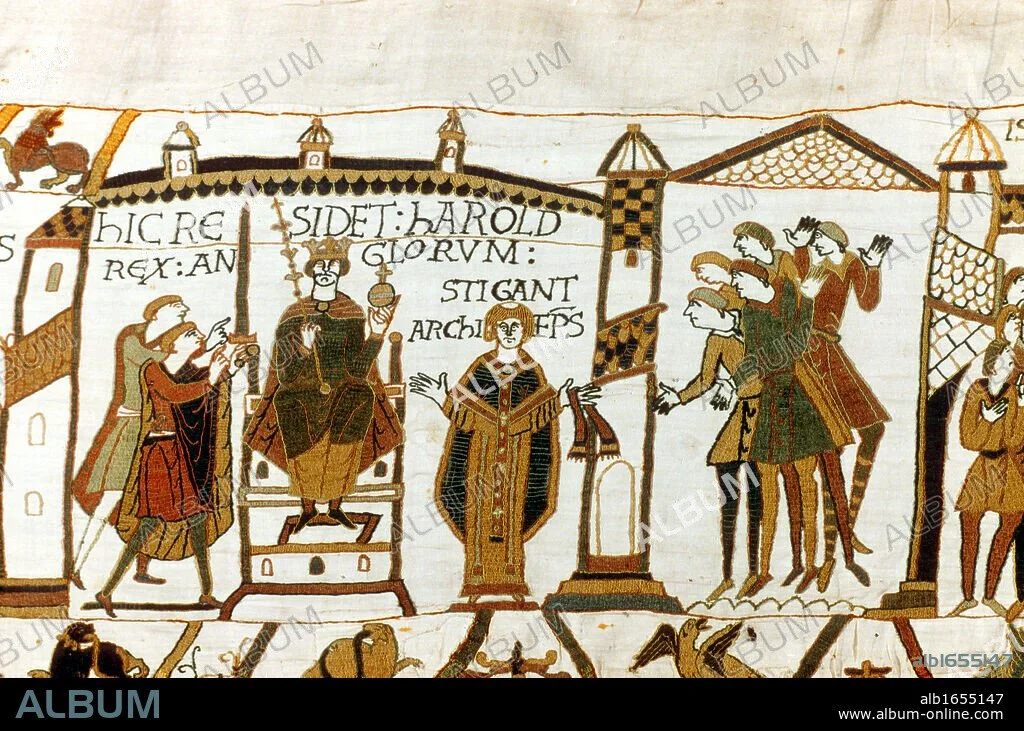
The Saxon Secret to Avoiding a Bad Ruler
What if the worst rulers in English history didn't have to happen?
Bad kings - the weak, the cruel, the catastrophically incompetent - weren't inevitable. They were the consequence of a system that handed the most powerful job in the kingdom to whoever happened to emerge from the right womb in the right order!
Primogeniture, succession by (male) birth order, gave England Edward II, whose personal failings and political incompetence ended in his deposition and probable murder. It gave England Richard II, whose erratic tyranny triggered a constitutional crisis and cost him his throne. It gave England Henry VI, whose mental collapse plunged the country into thirty years of civil war. These weren't accidents of fate. They were what happens when a system prioritises birth order over every other human quality.
But before the Normans locked this system in place, the Anglo-Saxons did something far more interesting.
The Aetheling System: Choose the Best, Not the First
Medieval Succession: When Henry II’s Empire Imploded
When Successionfirst aired, audiences were transfixed by its portrait of a modern dynasty at war with itself: scheming heirs, a manipulative patriarch, and a fortune vast enough to make loyalty negotiable. But centuries before Logan Roy was terrifying his children in glass-walled boardrooms, another ruthless family feud was playing out across medieval Europe.
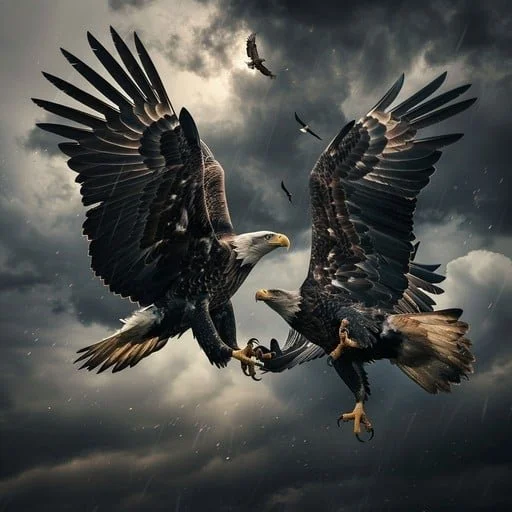
In 1173, the most powerful man in Christendom—King Henry II of England—faced a rebellion led not by rivals or barons, but by his own wife and sons. Chroniclers called it the Great Rebellion; historians often dub it the Revolt of the Eaglets, after the young “eagles” who turned on the parent bird.
And just like inSuccession, the real question was: who inherits the empire?
How Nicola de la Haye and Gerard de Camville Conquered the Sea, and Made a Deadly Enemy
Nicola de la Haye is remembered, rightly, as the woman who held Lincoln Castle through a number of sieges. But while researching her life for Lady of the Castle, I became fascinated by another battle being fought on her lands.
It was a battle against the sea.
And, rather unexpectedly, I discovered that Nicola and Gerard’s attempts to win that battle may also have helped create an enemy who would eventually bring an army to the gates of Lincoln Castle—and come close to having Gerard hanged for treason.
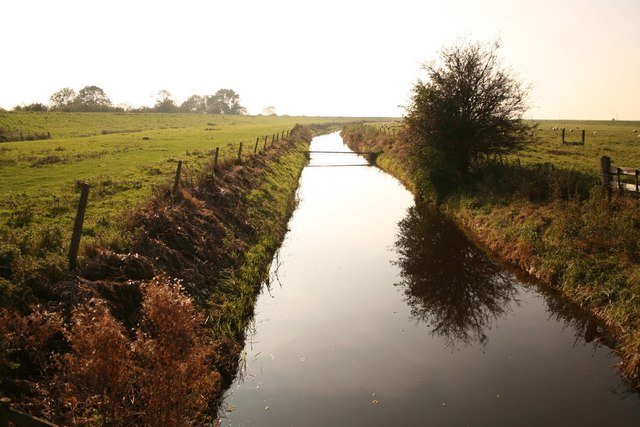
A county being built out of water
Much of Nicola’s land lay in southern Lincolnshire, including estates at Sutton and Lutton in what was then a very different landscape from the one we know today.
Large parts of the Lincolnshire fens were still marsh, saltmarsh and seasonally flooded ground. If you wanted more farmland, you could not simply clear a few trees and start ploughing.
First, you had to make the land.

The Shadow of Becket: How a Murder Shook the Kingdom
For years, the quarrel between Henry II and Thomas Becket raged. Becket fled to France in 1164, finding refuge with King Louis VII—the same Louis who still burned with resentment against Henry II for marrying Eleanor of Aquitaine. The dispute became as much about politics as faith: two monarchs using one archbishop as a pawn.
In 1170, Henry and Becket made a fragile peace. The archbishop returned to England to cheers from the faithful. But within weeks, their conflict flared again when Becket excommunicated bishops loyal to the crown.
It was then, in a moment of fury, that Henry uttered the words chroniclers would never forget—perhaps not verbatim, but in essence:
“Will no one rid me of this turbulent priest?”
Four knights took him at his word.

Princes Without Power: Why Henry the Young King Rebelled
On 14 June 1170, in Westminster Abbey, England witnessed a rare spectacle: a king crowned in his father’s lifetime. The boy was Henry, eldest surviving son of Henry II and Eleanor of Aquitaine. At just fifteen, he was anointed, crowned, and hailed as rex iunior — the Young King.
It should have been the beginning of a glittering reign. Instead, it became the seed of betrayal.
Did you know? Henry the Young King’s coronation feast is covered in Lady of Lincoln.
A King Without a Kingdom
Despite the grandeur of his coronation, the Young King had no real authority. His father ruled with a firm hand and was unwilling to share power. Henry II kept hold of the castles, the revenues, and the decision-making. The son was left with ceremony but no substance.
Contemporaries pitied him. William of Newburgh remarked that the lad “was king in name only, while his father held the reins of government.” Others saw a prince who enjoyed the tournaments and glittering life of a knight but lacked the lands and soldiers that made a medieval ruler truly powerful.
Willikin of the Weald: Was He the Real Inspiration for Robin Hood?
In my previous historical post, I looked at William de Wenneval, the Sheriff of Nottinghamshire and Derbyshire during the years when Richard the Lionheart was absent on crusade and then held captive in Germany.
Wenneval was one of the men who controlled Nottingham Castle while Prince John was plotting against his brother. That does not make him the Sheriff of Nottingham from the Robin Hood stories, but it places a real royal official in the right position, in the right place and at the right moment to have contributed something to the legend.
But what about Robin Hood himself?
There have been many attempts to identify a historical man behind the famous outlaw. One of the most intriguing candidates lived not in Sherwood Forest, but in the wooded country of Kent and Sussex. His name was William of Cassingham, although he became better known as Willikin of the Weald.
Unlike Robin Hood, Willikin was unquestionably real.
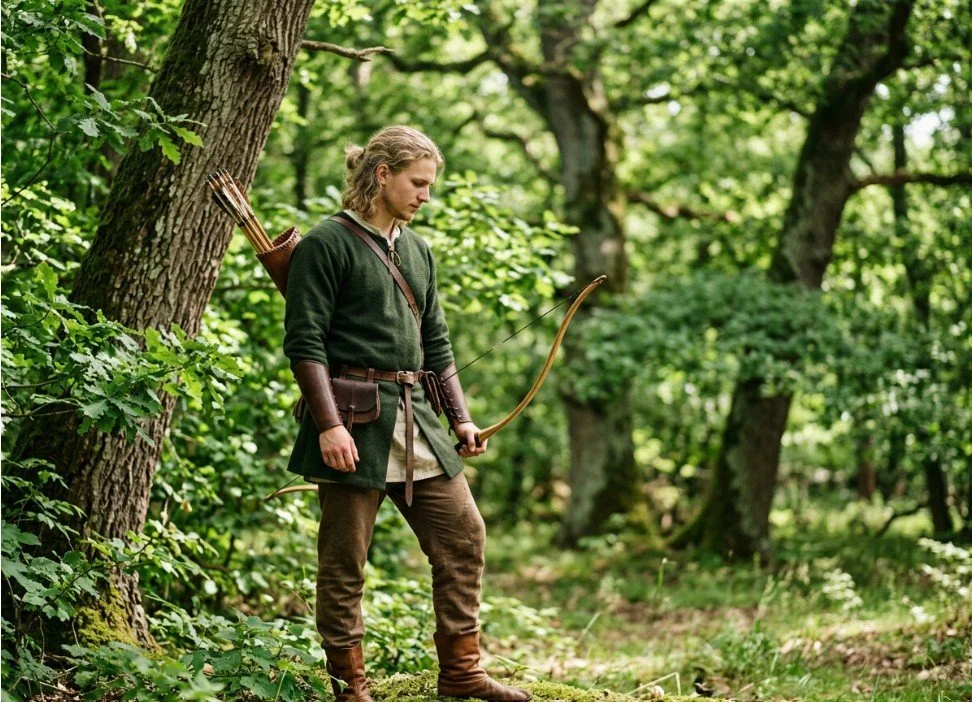
He was an archer and local fighting man who gathered a company in the forests, attacked occupying troops from ambush and became a hero to the communities around him. He fought during the reign of King John and was praised by medieval chroniclers for resisting England’s enemies when much of the south-east had submitted to them.
It sounds remarkably familiar.
So could Willikin of the Weald have helped inspire the legend of Robin Hood?
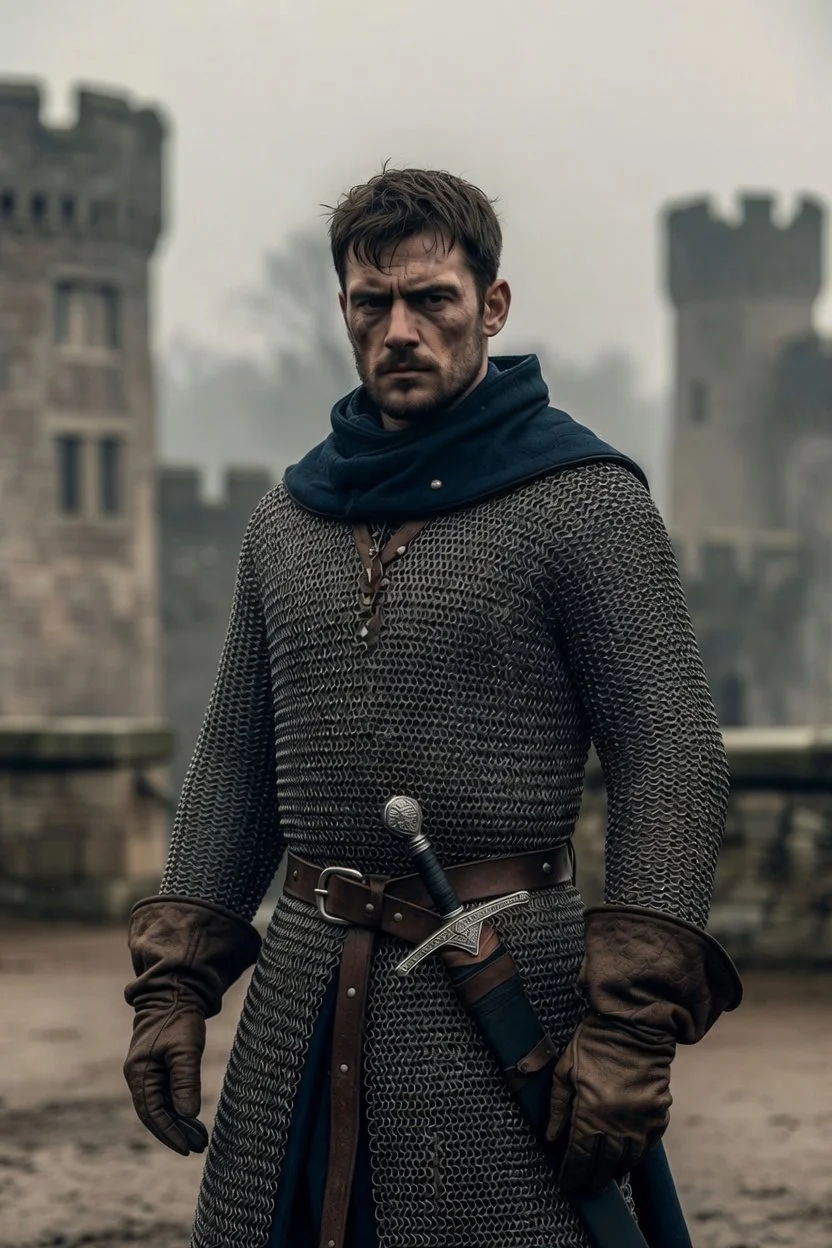
The Real Sheriff of Nottingham?
Every Robin Hood story needs its villain, and for centuries that villain has worn one title above all others: the Sheriff of Nottingham. Cruel, greedy, complicit in every injustice done to the poor of Sherwood while good King Richard bled for Christendom on crusade and wicked Prince John schemed at home. It's one of the most durable double acts in English folklore.
But strip away the ballads and pantomime, and the officeholders behind that legendary title were real men, doing a real and often thankless job. One of the strongest candidates for the historical figure behind the "bad" sheriff of the Robin Hood tales is a man called William de Wenneval (his name also appears as Wendenal, Wendeval, or Wendenall, depending on which chronicle or charter you're reading: spelling in the 1190s was a moving target). He is a minor figure in the great chronicles, mentioned only in passing by Roger of Howden.
But the little that survives of his story is enough to suggest he paid an appalling price for his loyalty.
-
Biographies
- 31 Aug 2026 She Didn't Wait for Permission 31 Aug 2026
- 26 Aug 2026 Eleanor of Vermandois 26 Aug 2026
- 26 Aug 2026 Richard the Lionheart at Sixteen: the Making of a Warrior Duke 26 Aug 2026
- 25 Aug 2026 Hugh de Morville: The Knight Who Would Not Repent 25 Aug 2026
- 12 Aug 2026 Reginald FitzUrse: The Bear Knight Who Slayed a Saint 12 Aug 2026
- 12 Aug 2026 Eleanor of Aquitaine: Queen, Duchess, and Mother of Rebels 12 Aug 2026
- 12 Aug 2026 Henry II of England – The Jailer of Queens 12 Aug 2026
- 11 Aug 2026 Geoffrey of Anjou: The Handsome Count Who Founded the Plantagenet Dynasty (Died 7th September 1151) 11 Aug 2026
- 3 Jul 2026 Lucy of Bolingbroke: The Woman Behind Lincoln Castle's Lucy Tower 3 Jul 2026
- 3 Jul 2026 Muriel of Lincoln 3 Jul 2026
-
CrimeAndJustice
- 31 Aug 2026 The York Massacre, 16 March 1190: On this Day in History 31 Aug 2026
- 26 Aug 2026 A Rat, a Skull, and a Murder That History Never Solved 26 Aug 2026
- 25 Aug 2026 Richard de Brito: The Forgotten Killer; and a very Dangerous Friend 25 Aug 2026
- 25 Aug 2026 William de Tracy: The Penitent Knight of Canterbury 25 Aug 2026
- 12 Aug 2026 Henry II of England – The Jailer of Queens 12 Aug 2026
- 11 Aug 2026 Geoffrey de Mandeville – The Terror of Widows and Nuns 11 Aug 2026
- 11 Aug 2026 Philippe II (Augustus) of France Humiliated Queen Ingeborg 11 Aug 2026
- 11 Aug 2026 Fulk V of Anjou: the King Who Beat His Queen 11 Aug 2026
- 11 Aug 2026 Matthew of Boulogne: The Count Who Kidnapped a Nun 11 Aug 2026
-
EnglandAndAngevinEmpire
- 1 Oct 2026 Black Shuck: The Devil’s Dog That Haunted Medieval England 1 Oct 2026
- 7 Sept 2026 The Treaty of Lambeth, 1217 7 Sept 2026
- 24 Aug 2026 How Nicola de la Haye and Gerard de Camville Conquered the Sea, and Made a Deadly Enemy 24 Aug 2026
- 10 Aug 2026 Willikin of the Weald: Was He the Real Inspiration for Robin Hood? 10 Aug 2026
- 3 Aug 2026 The Real Sheriff of Nottingham? 3 Aug 2026
- 6 Jul 2026 Lincoln's Lost Castle: The Rise and Fall of Thorngate 6 Jul 2026
- 23 Jun 2026 Why the Plantenet Angevins Ruled Half of Europe 23 Jun 2026
-
EverydayLife
- 26 Aug 2026 Medieval New Year's Eve: When Chaos Was the Point 26 Aug 2026
- 26 Aug 2026 Feasts, Folklore & Boar: A Medieval Christmas with a Dash of Wild Hunt Magic 26 Aug 2026
- 26 Aug 2026 A’Wassailing We Come! 26 Aug 2026
- 26 Aug 2026 Medieval Advent 26 Aug 2026
- 17 Aug 2026 Capons, Cocks and Hens: Keeping Chickens in Medieval England 17 Aug 2026
- 12 Aug 2026 All Souls’ Day: Soul Cakes, Prayer and Memory 12 Aug 2026
- 12 Aug 2026 All Hallows’ Day: The Feast of All Saints 12 Aug 2026
- 12 Aug 2026 All Hallows’ Eve: The Vigil of the Departed 12 Aug 2026
- 12 Aug 2026 Lanterns and Mischief: From Samhain Fires to Punkie Night 12 Aug 2026
- 12 Aug 2026 What Is Allhallowtide? The Three Days of the Dead… 12 Aug 2026
- 22 Jun 2026 What Languages Did Jews Speak in Medieval England? 22 Jun 2026
-
HistoricalEvents
- 16 Sept 2026 The Prayer That Outlived Him: Rabbi Yom Tov of Joigny (and York) 16 Sept 2026
- 7 Sept 2026 The Treaty of Lambeth, 1217 7 Sept 2026
- 31 Aug 2026 Magna Carta Day: The Meadow Where a King Was Made to Yield, and the Woman Who Saved It from Ruin 31 Aug 2026
- 31 Aug 2026 Battle of Lincoln 1217: The Woman Who Held the Castle That Saved England 31 Aug 2026
- 31 Aug 2026 The Sky is Falling! Halley's Comet, the Bayeux Tapestry, and the Four Portents in ‘Lady of the Castle’ 31 Aug 2026
- 31 Aug 2026 How a Birthday Party at Chinon Kickstarted a Civil War (5 March 1173) 31 Aug 2026
- 26 Aug 2026 A Rat, a Skull, and a Murder That History Never Solved 26 Aug 2026
- 26 Aug 2026 ‘King and Conqueror’: How much truth-stretching is acceptable? 26 Aug 2026
- 25 Aug 2026 Medieval Succession: When Henry II’s Empire Imploded 25 Aug 2026
- 25 Aug 2026 Richard de Brito: The Forgotten Killer; and a very Dangerous Friend 25 Aug 2026
- 25 Aug 2026 William de Tracy: The Penitent Knight of Canterbury 25 Aug 2026
- 12 Aug 2026 Reginald FitzUrse: The Bear Knight Who Slayed a Saint 12 Aug 2026
- 12 Aug 2026 The Shadow of Becket: How a Murder Shook the Kingdom 12 Aug 2026
- 11 Aug 2026 Princes Without Power: Why Henry the Young King Rebelled 11 Aug 2026
- 27 Jul 2026 What really burned at York Castle in 1190? 27 Jul 2026
- 22 Jun 2026 The Battle of Fornham: When a Countess Rode to War and Changed Medieval England Forever 22 Jun 2026
-
HistoricalFiction
- 26 Aug 2026 Warrior Monks on the Lincolnshire Heath 26 Aug 2026
- 26 Aug 2026 Nicola de la Haye 26 Aug 2026
- 26 Aug 2026 Fastrada: Charlemagne’s Queen History Tried to Forget 26 Aug 2026
- 26 Aug 2026 Wu Zetian: The Woman Who Ruled an Empire 26 Aug 2026
- 26 Aug 2026 ‘King and Conqueror’: How much truth-stretching is acceptable? 26 Aug 2026
- 26 Aug 2026 Empress Theodora of Byzantium: She Saved an Empire 26 Aug 2026
- 26 Aug 2026 Hypatia of Alexandria 26 Aug 2026
- 25 Aug 2026 Zenobia of Palmyra: the Queen Who Defied Rome 25 Aug 2026
- 25 Aug 2026 Vibia Sabina: Empress, Wife of Hadrian 25 Aug 2026
- 25 Aug 2026 Claudia Procula, Pontius Pilate’s wife 25 Aug 2026
- 12 Aug 2026 Zipporah, the Wife of Moses 12 Aug 2026
- 12 Aug 2026 The Revenant of Hereford: Walter Map’s Medieval Walking Dead 12 Aug 2026
-
People
- 26 Aug 2026 The Saxon Secret to Avoiding a Bad Ruler 26 Aug 2026
- 25 Aug 2026 Medieval Succession: When Henry II’s Empire Imploded 25 Aug 2026
- 24 Aug 2026 How Nicola de la Haye and Gerard de Camville Conquered the Sea, and Made a Deadly Enemy 24 Aug 2026
- 12 Aug 2026 The Shadow of Becket: How a Murder Shook the Kingdom 12 Aug 2026
- 11 Aug 2026 Princes Without Power: Why Henry the Young King Rebelled 11 Aug 2026
- 10 Aug 2026 Willikin of the Weald: Was He the Real Inspiration for Robin Hood? 10 Aug 2026
- 3 Aug 2026 The Real Sheriff of Nottingham? 3 Aug 2026
-
ReligionMagicandBelief
- 1 Oct 2026 Black Shuck: The Devil’s Dog That Haunted Medieval England 1 Oct 2026
- 16 Sept 2026 The Prayer That Outlived Him: Rabbi Yom Tov of Joigny (and York) 16 Sept 2026
- 3 Sept 2026 Bloodbath at the Lionheart’s Coronation 3 Sept 2026
- 31 Aug 2026 The Sky is Falling! Halley's Comet, the Bayeux Tapestry, and the Four Portents in ‘Lady of the Castle’ 31 Aug 2026
- 31 Aug 2026 The York Massacre, 16 March 1190: On this Day in History 31 Aug 2026
- 26 Aug 2026 Warrior Monks on the Lincolnshire Heath 26 Aug 2026
- 26 Aug 2026 Friday the 13th Superstitions? 26 Aug 2026
- 26 Aug 2026 Feasts, Folklore & Boar: A Medieval Christmas with a Dash of Wild Hunt Magic 26 Aug 2026
- 26 Aug 2026 Medieval Advent 26 Aug 2026
- 25 Aug 2026 Hugh de Morville: The Knight Who Would Not Repent 25 Aug 2026
- 12 Aug 2026 All Souls’ Day: Soul Cakes, Prayer and Memory 12 Aug 2026
- 12 Aug 2026 All Hallows’ Day: The Feast of All Saints 12 Aug 2026
- 12 Aug 2026 All Hallows’ Eve: The Vigil of the Departed 12 Aug 2026
- 12 Aug 2026 The Revenant of Hereford: Walter Map’s Medieval Walking Dead 12 Aug 2026
- 12 Aug 2026 Lanterns and Mischief: From Samhain Fires to Punkie Night 12 Aug 2026
- 12 Aug 2026 What Is Allhallowtide? The Three Days of the Dead… 12 Aug 2026
- 27 Jul 2026 What really burned at York Castle in 1190? 27 Jul 2026
- 22 Jun 2026 What Languages Did Jews Speak in Medieval England? 22 Jun 2026
-
TimePeriods
- 31 Aug 2026 How a Birthday Party at Chinon Kickstarted a Civil War (5 March 1173) 31 Aug 2026
- 26 Aug 2026 Friday the 13th Superstitions? 26 Aug 2026
- 26 Aug 2026 Richard the Lionheart at Sixteen: the Making of a Warrior Duke 26 Aug 2026
- 11 Aug 2026 Geoffrey of Anjou: The Handsome Count Who Founded the Plantagenet Dynasty (Died 7th September 1151) 11 Aug 2026
- 23 Jun 2026 Why the Plantenet Angevins Ruled Half of Europe 23 Jun 2026
-
WomeninHistory
- 31 Aug 2026 Magna Carta Day: The Meadow Where a King Was Made to Yield, and the Woman Who Saved It from Ruin 31 Aug 2026
- 31 Aug 2026 Battle of Lincoln 1217: The Woman Who Held the Castle That Saved England 31 Aug 2026
- 31 Aug 2026 She Didn't Wait for Permission 31 Aug 2026
- 26 Aug 2026 The Saxon Secret to Avoiding a Bad Ruler 26 Aug 2026
- 26 Aug 2026 Nicola de la Haye 26 Aug 2026
- 26 Aug 2026 Eleanor of Vermandois 26 Aug 2026
- 26 Aug 2026 Fastrada: Charlemagne’s Queen History Tried to Forget 26 Aug 2026
- 26 Aug 2026 Wu Zetian: The Woman Who Ruled an Empire 26 Aug 2026
- 26 Aug 2026 Empress Theodora of Byzantium: She Saved an Empire 26 Aug 2026
- 26 Aug 2026 Hypatia of Alexandria 26 Aug 2026
- 25 Aug 2026 Zenobia of Palmyra: the Queen Who Defied Rome 25 Aug 2026
- 25 Aug 2026 Vibia Sabina: Empress, Wife of Hadrian 25 Aug 2026
- 25 Aug 2026 Claudia Procula, Pontius Pilate’s wife 25 Aug 2026
- 12 Aug 2026 Zipporah, the Wife of Moses 12 Aug 2026
- 12 Aug 2026 Eleanor of Aquitaine: Queen, Duchess, and Mother of Rebels 12 Aug 2026
- 11 Aug 2026 Geoffrey de Mandeville – The Terror of Widows and Nuns 11 Aug 2026
- 11 Aug 2026 Philippe II (Augustus) of France Humiliated Queen Ingeborg 11 Aug 2026
- 11 Aug 2026 Fulk V of Anjou: the King Who Beat His Queen 11 Aug 2026
- 11 Aug 2026 Matthew of Boulogne: The Count Who Kidnapped a Nun 11 Aug 2026
- 3 Jul 2026 Lucy of Bolingbroke: The Woman Behind Lincoln Castle's Lucy Tower 3 Jul 2026
- 3 Jul 2026 Muriel of Lincoln 3 Jul 2026
- 22 Jun 2026 The Battle of Fornham: When a Countess Rode to War and Changed Medieval England Forever 22 Jun 2026
- 1173-4 Great Rebellion
- 12th Century
- 12th Century History
- Adeliza de Meschines
- All Hallow Tide
- All Hallow's Eve
- Angevin Empire
- Battle of Lincoln
- Battle of Lincoln 1217
- Battle of Sandwich 1217
- Bayeux Tapestry Comet Scene
- Becket Martyrdom 1170
- Becket's Assassins
- Becket's murder 1170
- Biblical Women
- Canterbury Cathedral
- Christianity
- Christmas
- Clifford's Tower
- Clifford's Tower massacre
- Coronation
- Crusade
- Eleanor of Aquitaine
- Eleanor of Aquitane Imprisonment
- England
- English Folklore
- Folklore
- Forgotten Women
- Forgotten Women of History
- Geoffrey of Anjou
- Gerard de Camville
- Halloween
- Henry II
- Henry II and Becket conflict
- Henry II and Eleanor of Aquitaine
- Henry the Young King
- Historical Fiction
- Household Knights
- King John
- Knights Who Killed Thomas Becket
- Lady of England
- Lady of Lincoln
- Lady of Lincoln Novel
- Lady of the Castle
- Lincoln Castle
- Lincoln Castle history
- Magna Carta
- Medieval
- Medieval Antisemitism
- Medieval Christmas
- Medieval Convents Attacked
- Medieval Customs
- Medieval England
- Medieval England and France
- Medieval Feasts
- Medieval Folklore
- Medieval France
- Medieval historical fiction
- Medieval History
- medieval Jewish history
- Medieval Jews
- Medieval Lincolnshire
- Medieval Misogyny
- Medieval Queens
- Medieval Superstitions
- medieval women
- Misogyny in the Middle Ages
- Muriel of Lincoln
- Myths and Legend
- Nicholaa de la Haye
- Nicholaa de la Haye novel
- Nicola de la Haye
- Nicola de la Haye historical fiction
- Nicola de la Haye novel
- Norman Conquest
- Norman Invasion
- Pagan Traditions
- Paganism
- Plantagenet dynasty
- Plantagenet kings
- Plantagenet Princes
- Ralph de la Haye
- Revenants
- Revolt of the Eaglets
- Richard I
- Richard the Lionheart
- Robert de Condet Thorngate
- Romans
- Samhain
- Saxons
- Spirit World
- The Anarchy
- Thomas Becket
- Thomas Becket Murder
- William FitzErneis
- Women in History
- women in medieval England
- York Jewish massacre 1190
- York massacre 1190
- Æthelflæd