WELCOME TO RACHEL’S FICTION WRITING AND REVIEWS BLOG
This is where Rachel keeps you up to date with her novels and stories and also shares reviews, highlights and extracts from other authors.

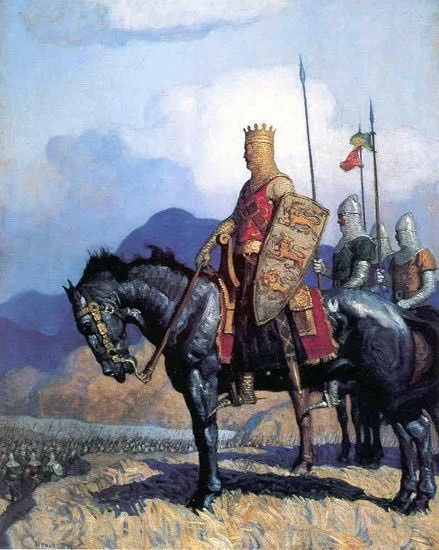
Richard the Lionheart at Sixteen: the Making of a Warrior Duke
In 1173, a boy of sixteen took his first step onto the stage of war. His name was Richard, Duke of Aquitaine, though he had yet to earn the epithet Lionheart.
Before he became the crusader-king of legend, before his songs and sieges, Richard was a restless teenager thrust into the most dangerous political storm of the twelfth century: the Great Rebellion against his father, King Henry II.
It was a rebellion born of pride, family betrayal, and the impossible weight of expectation. And it was here — amid defeat, shame, and fire — that the making of a warrior began.
A Son in His Mother’s Shadow
Richard was Eleanor of Aquitaine’s favourite son, and in many ways her reflection: intelligent, impulsive, proud. Born in Oxford but raised in the cultured courts of Poitiers and Bordeaux, he was steeped in his mother’s world of poetry and politics. By his mid-teens he could compose in Occitan, debate theology in Latin, and command a hall full of barons — yet he was still a boy in a man’s game.
In 1172, Henry II had forced Eleanor to surrender the duchy of Aquitaine to her teenage son, intending to bind the region more tightly to the English crown. But Aquitaine was Eleanor’s inheritance, her life’s work, and Richard was fiercely loyal to her. The gift was both a promotion and a trap: the young duke found himself governing a proud and fractious land, surrounded by lords twice his age and loyalty only thinly pledged.
When the rebellion of 1173 began, Richard stood between two worlds — son of a king, heir to a duchy, and caught between the two towering figures who defined his destiny.