WELCOME TO RACHEL’S FICTION WRITING AND REVIEWS BLOG
This is where Rachel keeps you up to date with her novels and stories and also shares reviews, highlights and extracts from other authors.

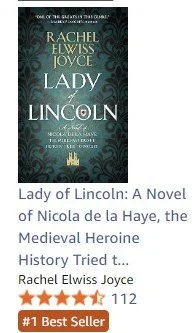
LADY OF LINCOLN becomes a #1 Amazon Best Seller!
I’m thrilled to say that in the last few days, Lady of Lincoln has become an Amazon #1 bestseller, both in paperback and Kindle!Kindle Unlimited)
I’m more pleased I can say that the novel (and Nicola) have received such recognition – not just in the awards, but now as a best-selling novel!
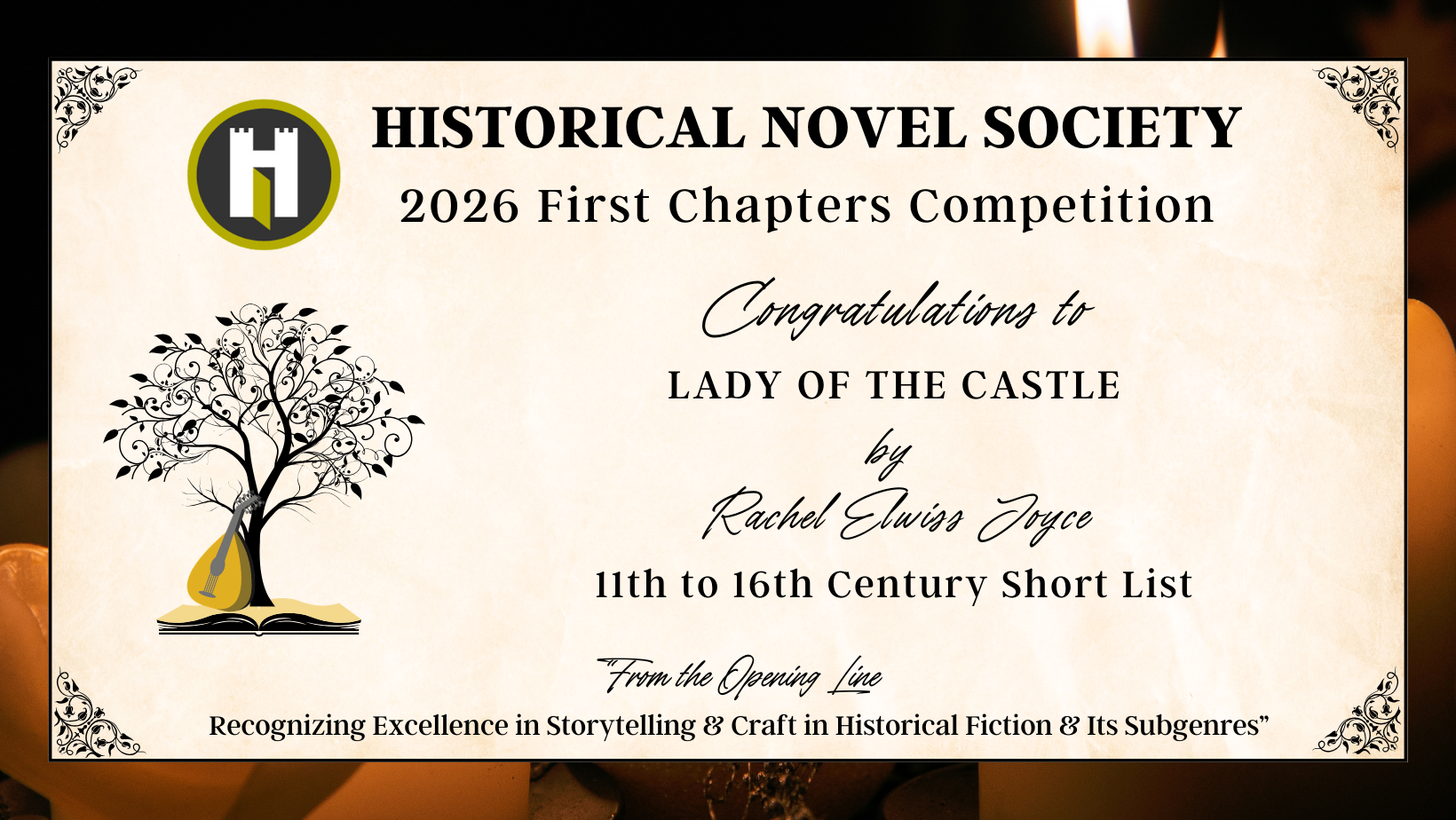
Big News: Lady of the Castle Shortlisted for the HNS First Chapter Competition
Lady of the Castle has been shortlisted for the Historical Novel Society's First Chapter Competition before it’s even been published, and and I'm still doing a happy dance about it! 🥳
This is my second Nicola de la Haye novel, still unpublished, still being polished, but somehow its opening chapter caught the attention of the HNS judges in the competitive 11th–16th Century Category. 😀
The competition honours exactly what makes historical fiction electric: that first page that drops you into another century and refuses to let go. Nicola de la Haye - castellan, survivor, one of medieval England's most remarkable women - has a story worth telling, and it’s wonderful that Lady of Lincoln has already won so many awards, but also that Lady of the Castle is being credited even before the book even exists in final form!
Lady of the Castle continues where Lady of Lincoln left off, following Nicola through the treacherous politics and passions of the late 12th century. I'm deep in final revisions. You can track my writing and publishing progress here.
Stay tuned!
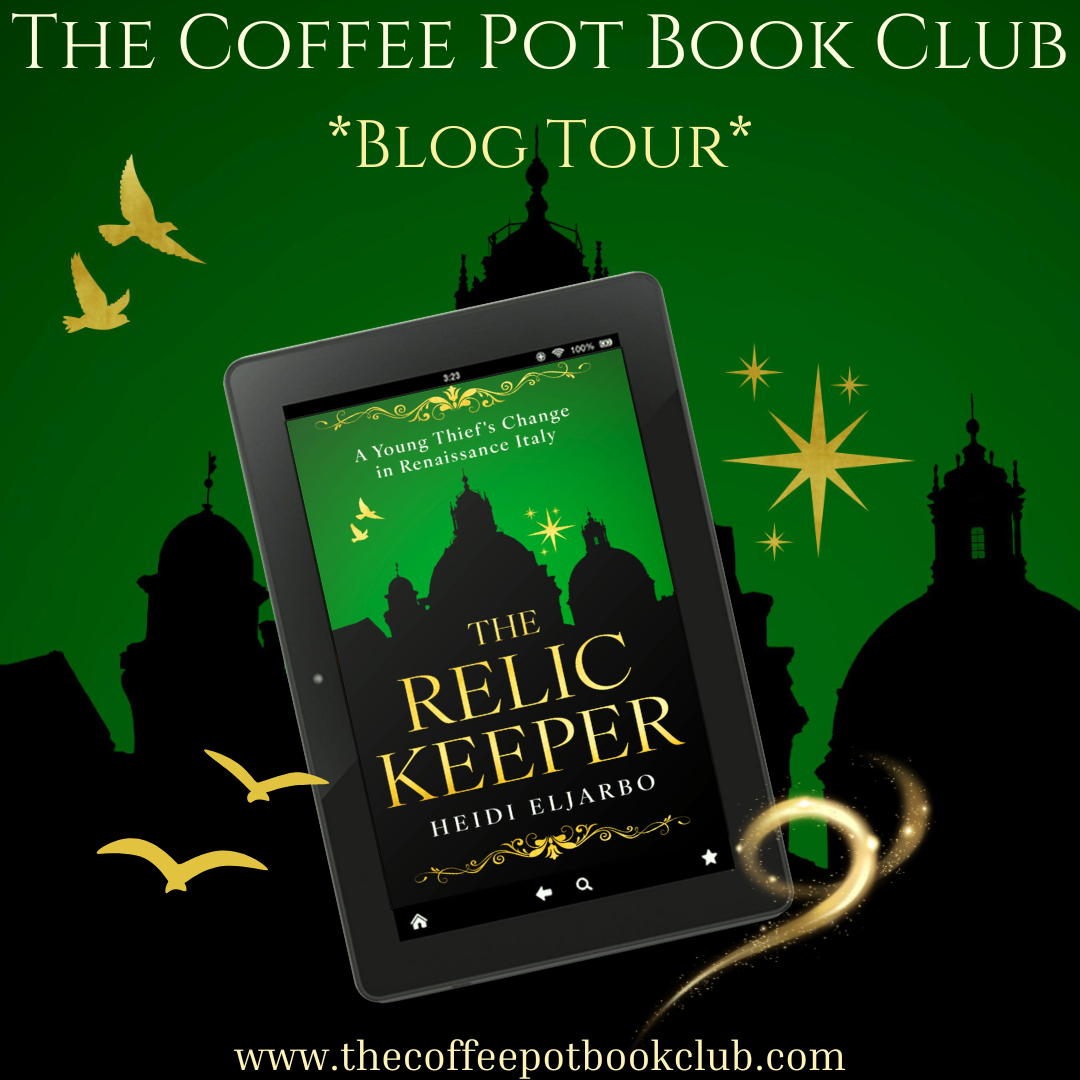
The Relic Keeper by Heidi Eljarbo
I’m thrilled today to be spotlighting the late-Renaissance historical novel, The Relic Keeper by Heidi Eljarbo, with Christian themes about hope and love.
Inspired by Gerrit van Honthorst’s masterpiece, The Adoration of the Child, and the novel Oliver Twist by Charles Dickens.
Italy, 1620.
Angelo is an orphan, lonely and forgotten. Having been passed on from one family to the next, he ends up as a common thief, subject to and under the thumb of a ruthless robber called Tozzo.
Angelo knows no other life and has lost hope that any chance of providence will ever replace his lonely, misfortunate existence. When he loses his master, his livelihood is shaken. Tozzo’s plunder is hidden in a safe place, but what will happen if someone comes after Angelo to get their hands on the stolen relics? More than that, he feels threatened by words he’s heard too many times; that he’ll always remain unforgiven and doomed.
One day, a priest invites Angelo to help with chores around the church and rectory and, in exchange, offers him room and board. Padre Benedetto’s kindness and respect are unfamiliar and confusing, but Angelo’s safety is still a grave concern. Two older robbers have heard rumors about the hidden treasures and will stop at nothing to attain them.
With literary depictions and imagery, Angelo’s story is a gripping and emotional journey of faint hope and truth in seventeenth-century Italy—an artistic and audacious tale that crosses paths with art collector Vincenzo Giustiniani and the powerful Medici family.
Using invisible threads, Heidi Eljarbo weaves together her fictional stories with historical figures and real events.

Book Review: Ripples Through Time by Christina Courtenay
A fun timeslip modern-day and Viking era set romance novel, Christina Courtney’s tale ticks all the right boxes.
An attractive man and woman in modern day England, brought together by unhappy circumstances. An attractive Viking (Norse) man and a Saxon woman in England, brought together by unhappy circumstances.
There are family betrayals and jealousy, buried treasure, and two kind people, attracted to each other—in both timelines!
And did I mention the fantastic setting—Viking invaded Saxon England? Swords and axes, healing herbs, and ancient stone monuments to the dead...