WELCOME TO RACHEL’S FICTION WRITING AND REVIEWS BLOG
This is where Rachel keeps you up to date with her novels and stories and also shares reviews, highlights and extracts from other authors.


All Souls’ Day: Soul Cakes, Prayer and Memory
As the bells of All Saints’ Day fall silent, a gentler sound takes their place — the slow, measured knell for the departed. 2 November, All Souls’ Day, was the moment when the living turned their hearts toward those still journeying through Purgatory.
The season of light ended not in mourning, but in hope — that love and prayer could reach beyond the grave. The word soul comes from Old English sawol, “the spiritual essence of a person.”
The “Mass of Souls,” or Soul Mass Day, was first proclaimed in 998 AD by Abbot Odilo of Cluny. He ordered that every monastery in his order should celebrate a Mass for “all the faithful departed.” From Cluny, the custom spread throughout Europe.
Yet its roots run deep into pagan soil. Romans had their Parentalia, a spring festival for the dead where families brought cakes and wine to tombs. Celts laid food on thresholds at Samhain to honour their ancestors. Christianity sanctified these gestures, and the offering of food became the offering of prayer.
All Hallows’ Day: The Feast of All Saints
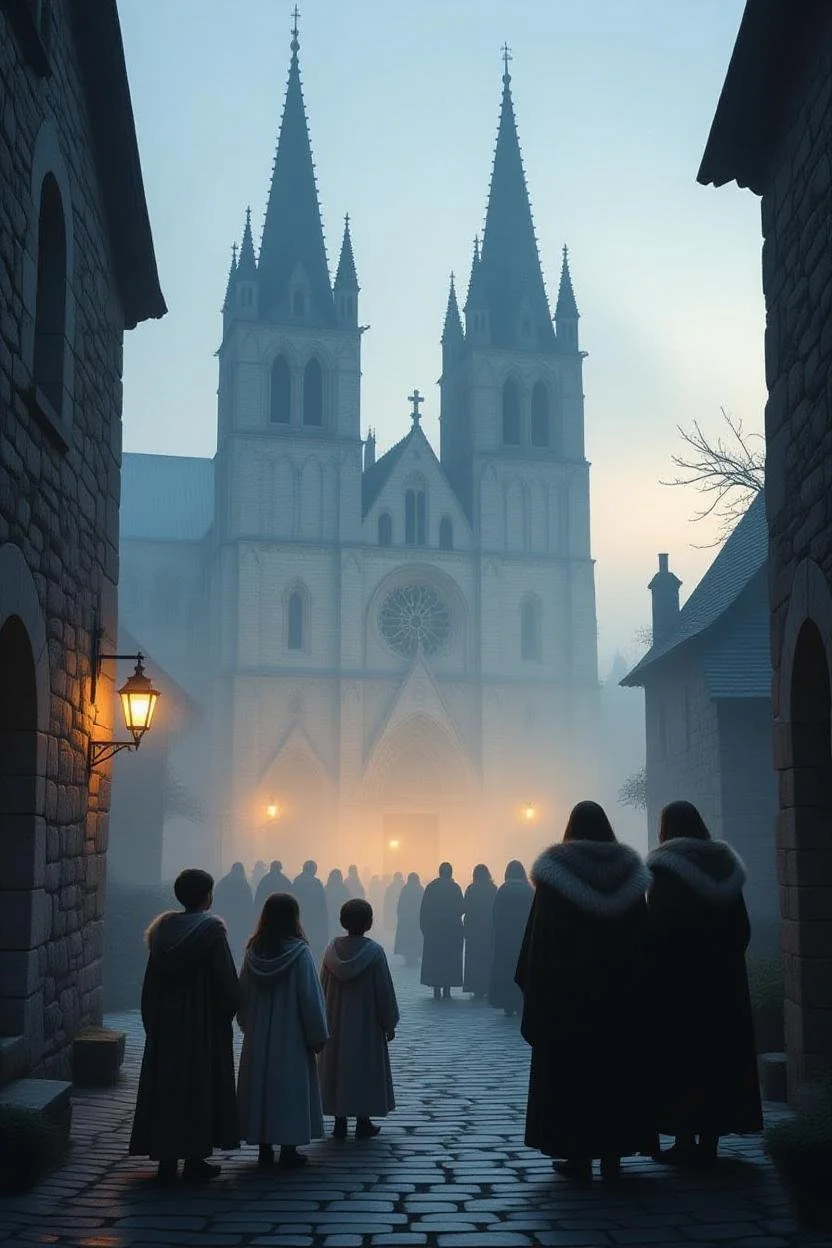
After the shadowed vigil of All Hallows’ Eve came the brightness of All Hallows’ Day—later called Hallowmas.
The name joins hallow (Old English hālga, “holy person”) and mass (from Latin missa, “Eucharistic service”).
It was the day when the Church lifted its gaze from the souls still journeying toward heaven to those who had already arrived.
Altars were dressed in white, bells rang across town and countryside, and processions wound through streets lit by candles. The message was clear: the darkness of death had been overcome by the light of sainthood.
All Hallows’ Eve: The Vigil of the Departed
When twilight falls on 31 October, the Christian calendar and the old pagan year meet.
The Eve of All Hallows—from Old English hālga ǣfen (“holy evening”)—was the vigil before the Feast of All Saints.
Yet in spirit it still carried the echo of Samhain, the Celtic festival of endings and beginnings.
In pagan belief, this was the night when the barrier between worlds dissolved: the dead might revisit hearth and home, and the living could glimpse the Otherworld. Fires blazed, food was laid out for ancestors, and villagers disguised themselves to ward off or impersonate wandering spirits.
The Revenant of Hereford: Walter Map’s Medieval Walking Dead
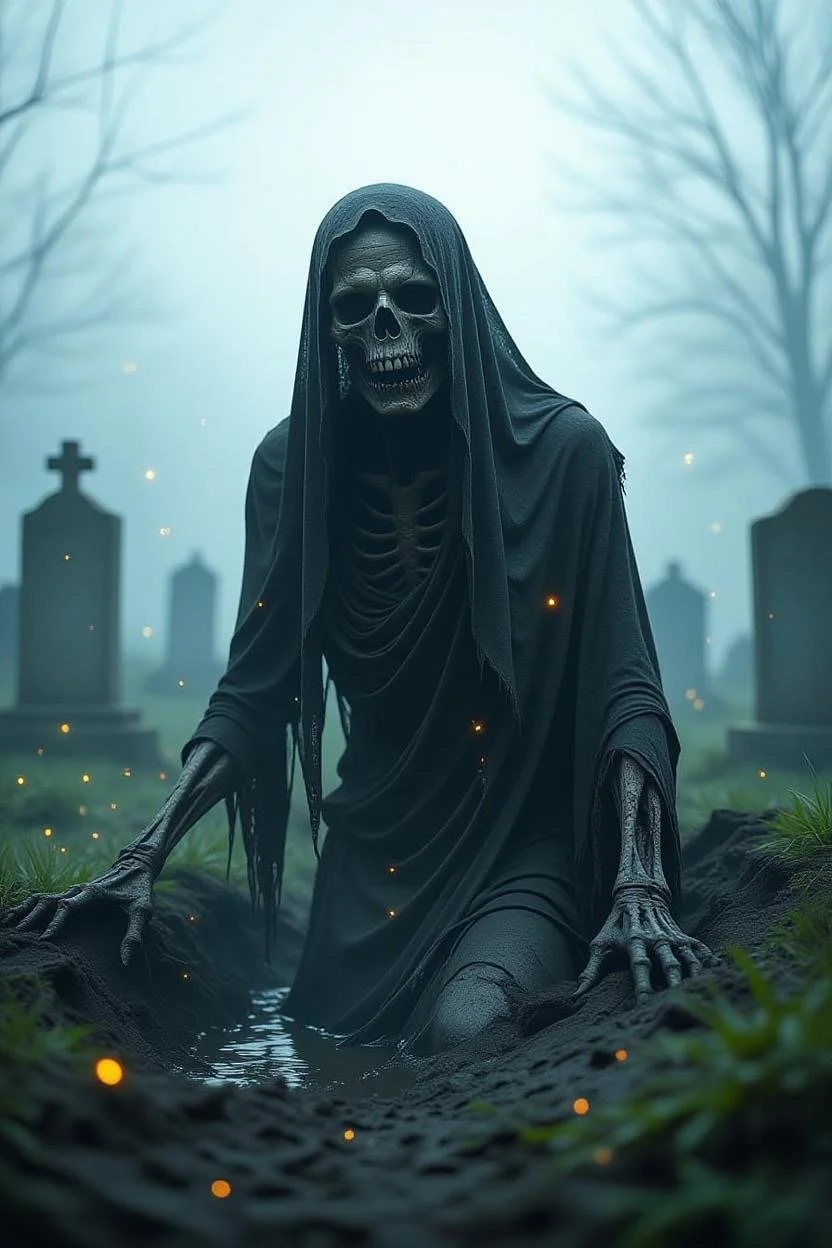
It’s Halloween, or ‘All Halliow’s Eve’, stolen from the pagans! You might think it’s all jack-o’-lanterns, witches, and restless spirits, but long before pumpkins and trick-or-treaters, medieval storytellers were already spinning tales of the restless dead. One of the most chilling comes from Walter Map, a 12th-century courtier, wit, and author of De Nugis Curialium (Courtiers’ Trifles).
Did you know, Walter Map is a character in Rachel Elwiss Joyce’s second novel in the ‘Nicola de la Haye Series’?
Map’s collection of gossip, marvels, and supernatural tales contains one of England’s earliest written accounts of a revenant — a corpse that would not rest quietly in its grave.
Lanterns and Mischief: From Samhain Fires to Punkie Night
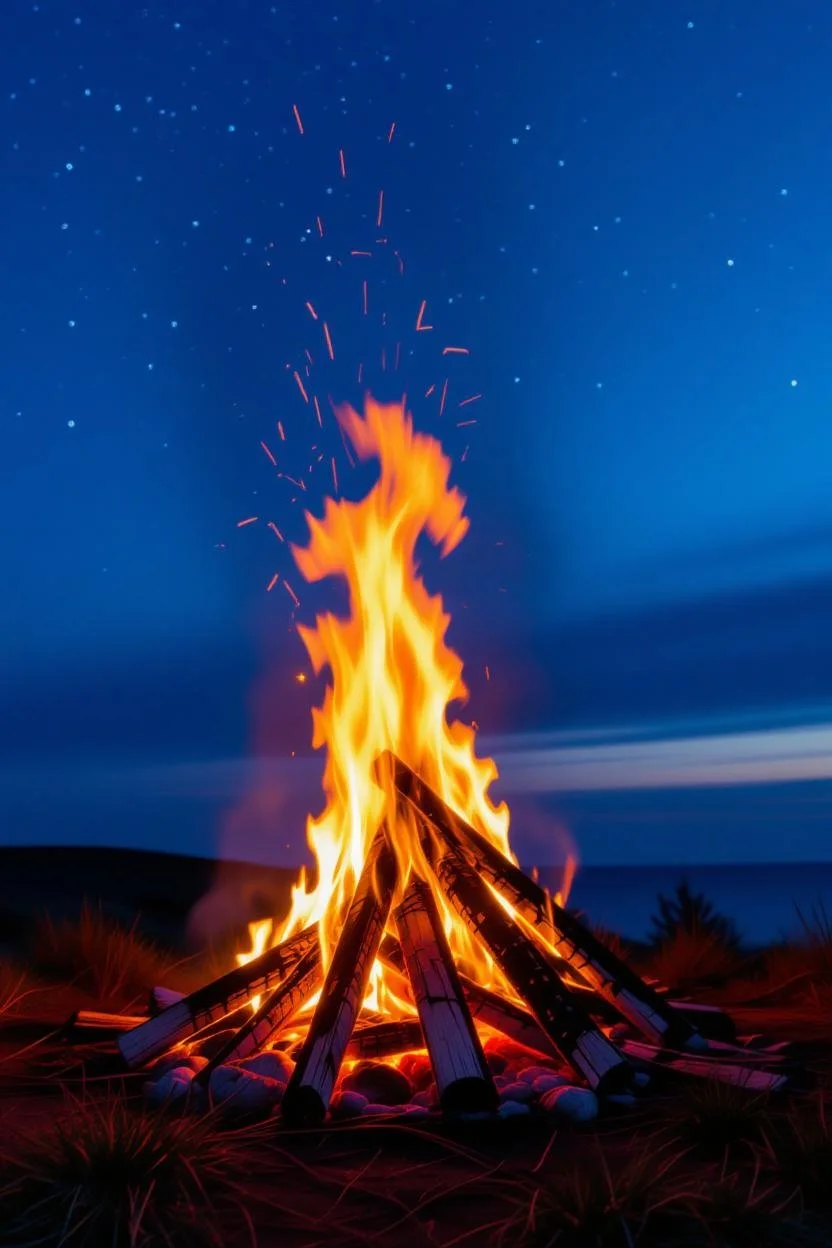
In the ancient Celtic world, Samhain marked the moment when the year tipped into darkness. Bonfires blazed on hilltops, not as mere celebration but as protection—flames to cleanse, to guard livestock, and to guide wandering souls.
When Christianity spread, the bonfire’s symbolism endured. The Church kindled its own light—candles of vigil—burning in churchyards and windows on the eve of All Hallows’ Day, turning pagan flame into prayer.