WELCOME TO RACHEL’S FICTION WRITING AND REVIEWS BLOG
This is where Rachel keeps you up to date with her novels and stories and also shares reviews, highlights and extracts from other authors.

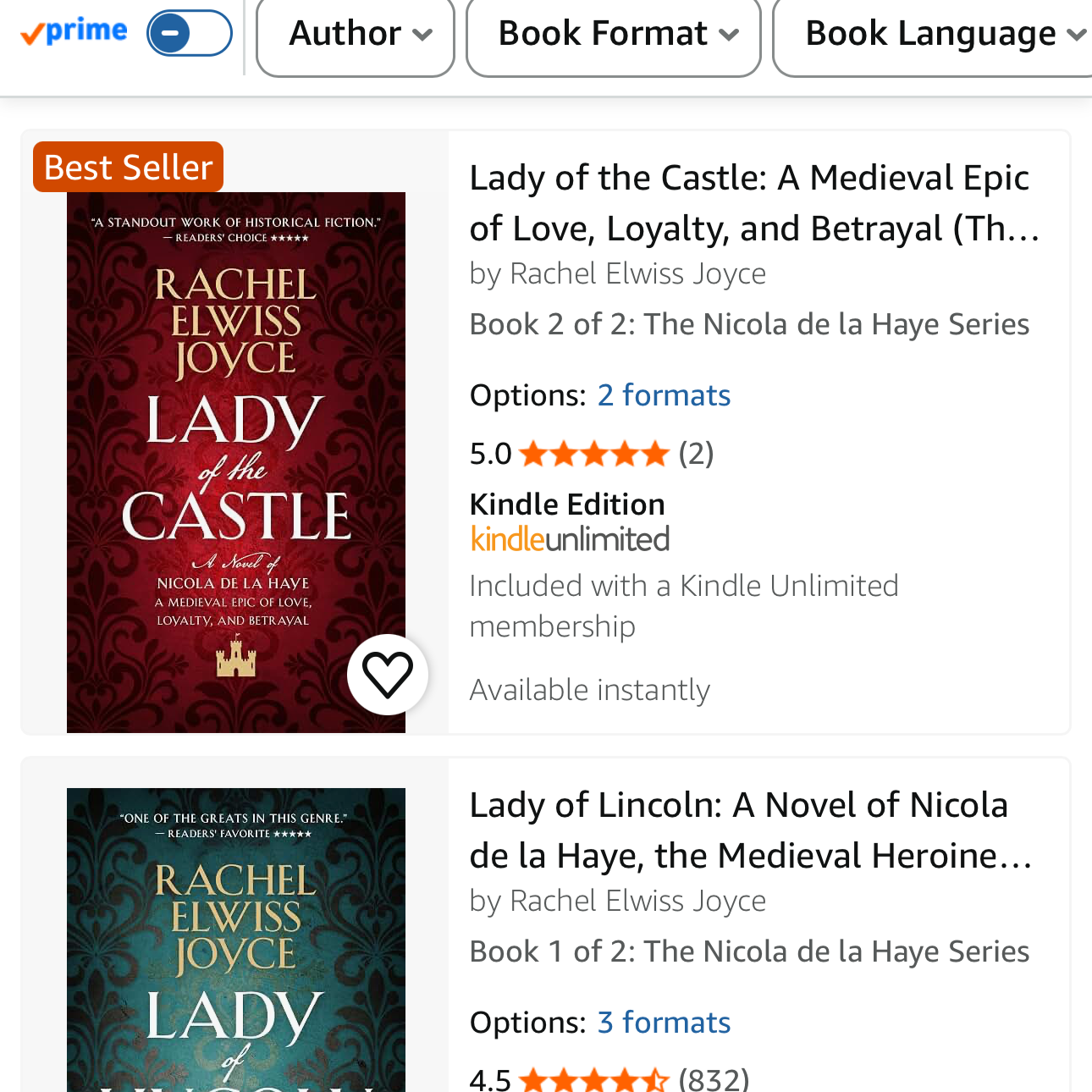
Lady of the Castle Reaches No. 1 in Medieval and Jewish Fiction
Lady of the Castle is now a No. 1 Amazon bestseller in Medieval Fiction and Jewish Fiction categories!
The second novel in my Nicola de la Haye series has reached the top of three Amazon bestseller charts, including categories for Medieval Fiction and Jewish Fiction.
Lady of the Castle is an epic medieval historical novel inspired by the extraordinary real life of Nicola de la Haye, hereditary constable of Lincoln Castle. As England is pulled apart by rivalry, rebellion and war, Nicola must defend her castle, her family and a marriage increasingly under siege.
Alongside Nicola’s story runs the major subplot of Bella, Josce and Hannah of York, bringing the experiences of England’s medieval Jewish community and the events of York in 1190 into the heart of the novel.
Now available in ebook, Kindle Unlimited, paperback and audiobook.

Lady of Lincoln Wins Gold in the 2026 Readers’ Favorite International Book Awards
’m delighted to share some wonderful news: Lady of Lincolnhas won the Gold Medal in Fiction – Historical – Personage in the 2026 Readers’ Favorite International Book Award Contest!
It’s a particularly lovely award to receive because Lady of Lincoln began with a real woman whose story had, for centuries, been pushed to the margins of history. I’m honoured that my writing is bringing her to the fore.
A prestigious award
Readers’ Favorite is one of the world’s largest book-review and award organisations. Its annual competition attracts thousands of entries from around the world, from independent authors to major bestsellers, with books judged within more than 140 individual categories.
And this year, Lady of Lincoln took Gold in Historical – Personage! (One of only two historical categories).
I’m really very, very thrilled!
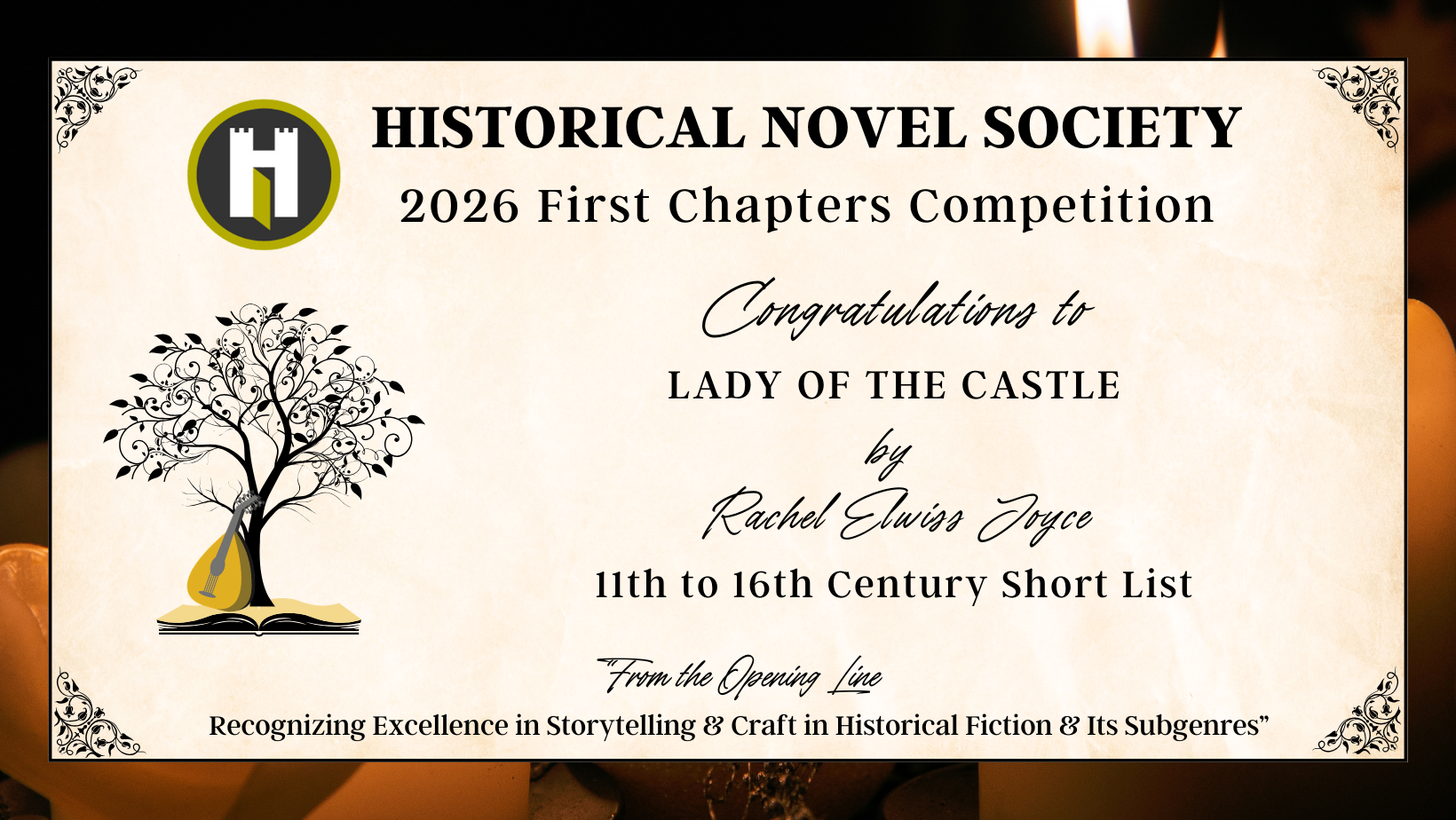
Big News: Lady of the Castle Shortlisted for the HNS First Chapter Competition
Lady of the Castle has been shortlisted for the Historical Novel Society's First Chapter Competition before it’s even been published, and and I'm still doing a happy dance about it! 🥳
This is my second Nicola de la Haye novel, still unpublished, still being polished, but somehow its opening chapter caught the attention of the HNS judges in the competitive 11th–16th Century Category. 😀
The competition honours exactly what makes historical fiction electric: that first page that drops you into another century and refuses to let go. Nicola de la Haye - castellan, survivor, one of medieval England's most remarkable women - has a story worth telling, and it’s wonderful that Lady of Lincoln has already won so many awards, but also that Lady of the Castle is being credited even before the book even exists in final form!
Lady of the Castle continues where Lady of Lincoln left off, following Nicola through the treacherous politics and passions of the late 12th century. I'm deep in final revisions. You can track my writing and publishing progress here.
Stay tuned!

LADY OF LINCOLN Cover Reveal!
I’m overjoyed to share the cover of my debut historical novel, LADY OF LINCOLN — a story inspired by one of England’s most extraordinary medieval women, Nicola de la Haye, and longlisted for the Chaucer Award for Historical Fiction.
A Woman Who Defied Kings
LADY OF LINCOLN opens in the twelfth century, amid brewing rebellion. This is the untold story of the eventful early life of a noblewoman and castellan who would become known as “the woman who saved England.”
Medieval England.
A Civil war.
A teenage heiress.
A disastrous marriage.
What happens when a girl expected to yield… chooses to lead?
A Michaelmas Announcement: Lady of Lincoln
I am delighted to announce the title of my debut novel:
Lady of Lincoln: A Novel of Nicola de la Haye, a Woman Born to Lead in a Man’s World, a Medieval Heroine History Tried to Forget
This is Book One of my Nicola de la Haye Trilogy, based on the extraordinary life of the castellan of Lincoln—a woman who defied kings, commanded armies, and became one of the most remarkable heroines of medieval England.
The full back-cover blurb will be revealed later, but here’s a teaser glimpse:
Lady of Lincoln tells the true story of Nicola de la Haye, the young noblewoman who inherited Lincoln Castle, braved rebellion and betrayal, and fought to lead in a world that told her she could not.
On this Michaelmas, as the medieval year turned toward winter, I’m excited to turn a new page in sharing Nicola’s story with you.
Stay tuned for the cover reveal, official blurb, and more glimpses into the history behind the novel.