WELCOME TO RACHEL’S FICTION WRITING AND REVIEWS BLOG
This is where Rachel keeps you up to date with her novels and stories and also shares reviews, highlights and extracts from other authors.

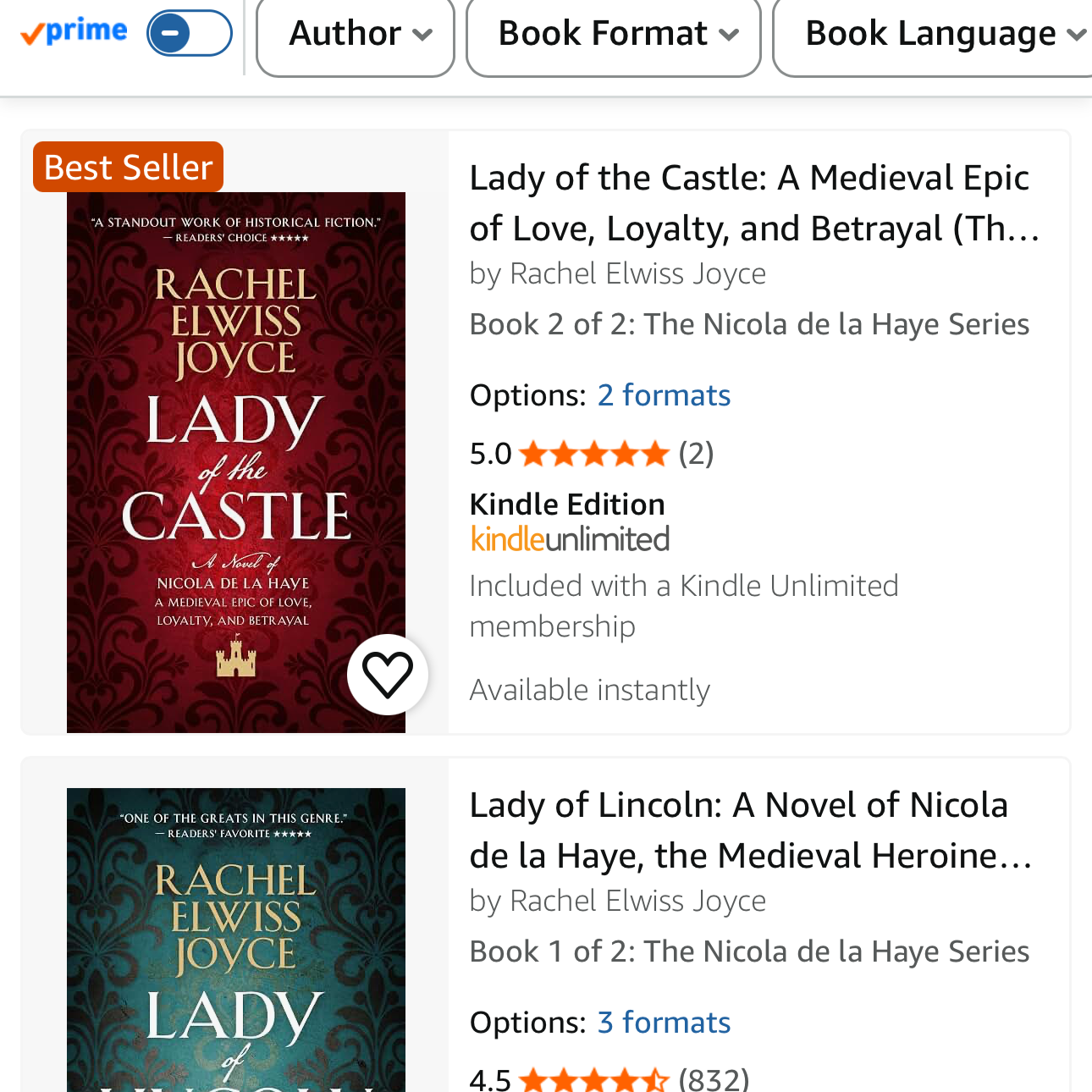
Lady of the Castle Reaches No. 1 in Medieval and Jewish Fiction
Lady of the Castle is now a No. 1 Amazon bestseller in Medieval Fiction and Jewish Fiction categories!
The second novel in my Nicola de la Haye series has reached the top of three Amazon bestseller charts, including categories for Medieval Fiction and Jewish Fiction.
Lady of the Castle is an epic medieval historical novel inspired by the extraordinary real life of Nicola de la Haye, hereditary constable of Lincoln Castle. As England is pulled apart by rivalry, rebellion and war, Nicola must defend her castle, her family and a marriage increasingly under siege.
Alongside Nicola’s story runs the major subplot of Bella, Josce and Hannah of York, bringing the experiences of England’s medieval Jewish community and the events of York in 1190 into the heart of the novel.
Now available in ebook, Kindle Unlimited, paperback and audiobook.
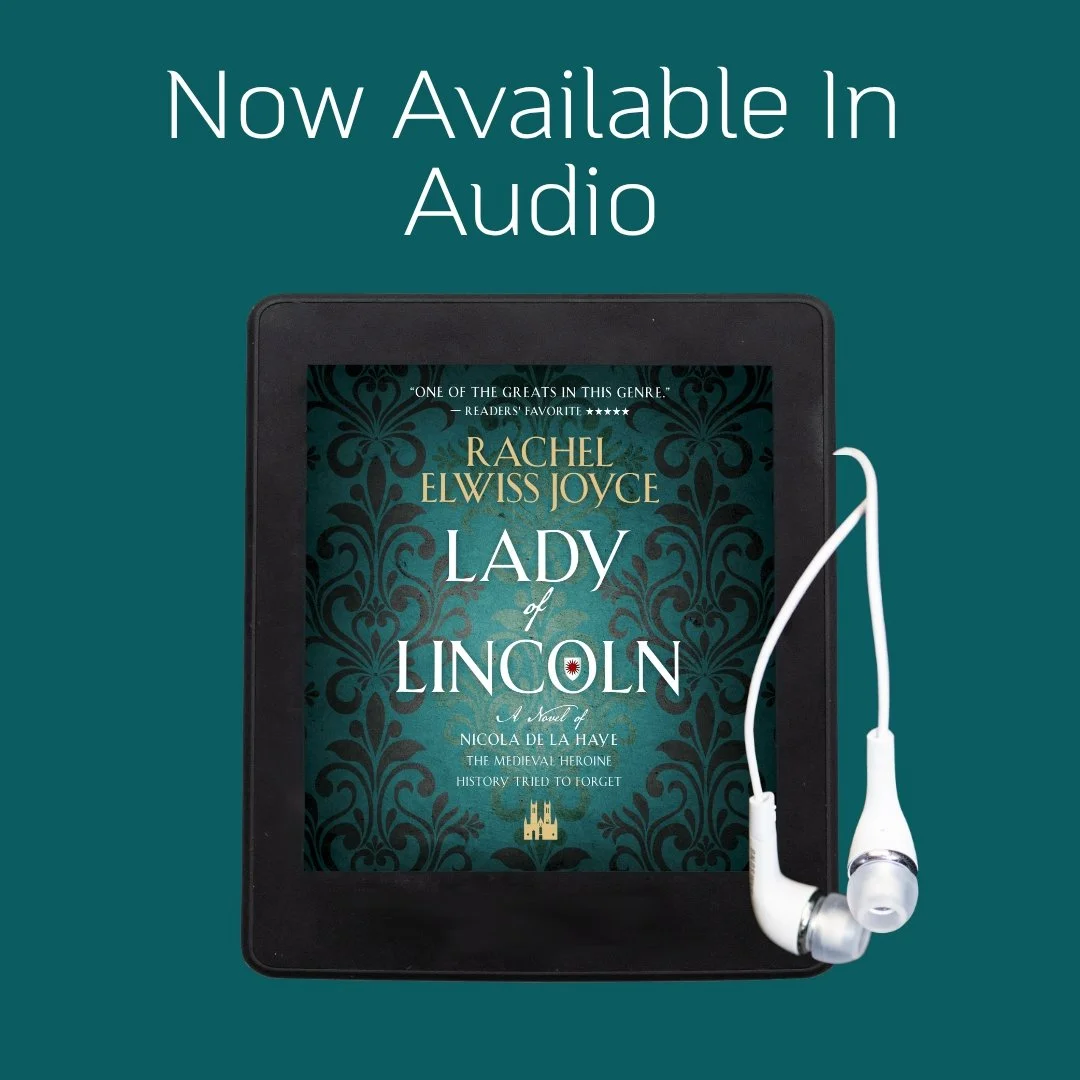
🎧 Lady of Lincoln Is Now Available on Audible
There are some stories that were amazing when heard, and I’m delighted to share that Lady of Lincoln is now available in audiobook on Audible.
And the narrator, Sarah Kempton (already award-nominated), is fabulous!
Nicola de la Haye’s story: a woman who inherited a castle, defied expectation, and refused to fail her people or surrender what was hers, can now be experienced in a new way: spoken aloud, as the sounds of her world unfold around you.
This is the first book in the trilogy following the remarkable true story of the woman sometimes remembered as “the woman who saved England.” In this opening volume, we meet Nicola as a young heiress navigating loyalty, ambition, and survival in a world that doubts her capacity to lead.
Listening brings a different intimacy. The cadence of medieval names. The weight of oaths. The quiet resolve in moments when no one else sees.
If you love immersive historical fiction, I hope you’ll enjoy hearing Nicola’s story.
🎧 You can find Lady of Lincoln now on Audible. Listen to the sample for free.
Universal book link: https://books2read.com/u/4980nW
Lady of Lincoln Awarded the Prestigious BlueInk ‘Notable Book’ Seal!
I’m delighted to share some wonderful news:
Lady of Lincoln has been awarded the BlueInk Notable Book Seal — an honour reserved for a very small number of books judged to be of exceptional merit.
BlueInk Review is one of the publishing industry’s most respected editorial review services, created by professional critics and editors who have written for outlets such as Publishers Weekly, Kirkus, and major newspapers.
The Notable Book Seal is BlueInk’s highest distinction, highlighting titles that stand out for their literary quality, authenticity, and craftsmanship. Fewer than five percent of submissions receive this accolade.
Here’s some of what the reviewer wrote about Lady of Lincoln:
“Joyce’s rich characterization unfolds against a vivid, meticulously researched historical backdrop… a gripping account of courage amid the brutal realities of civil war.”
For a historical novel rooted in the real life of Nicola de la Haye, England’s indomitable Lady of Lincoln Castle, this accolade is deeply meaningful. It celebrates not only the countless hours of research and writing but also the historical women who refused to be forgotten.

Lady of Lincoln Receives a 5-Star Review from The Coffee Pot Book Club!
I’m absolutely delighted, and a little bit overwhelmed, to share that Lady of Lincoln has received a 5-star review from the highly respected Coffee Pot Book Club!
For those who don’t know, The Coffee Pot Book Club is one of the most trusted and independent voices in the historical fiction community, known for its thoughtful, in-depth reviews and support for authors who bring history vividly to life.
As a debut author, it’s both humbling and thrilling to have Lady of Lincoln recognised by such an esteemed platform.

Inês by Catherine Mathis
Today, I am delighted to host Catherine Mathis for the blog tour for her novel, Inês, the first book in her The Queens of Portugal Trilogy. Catherine has kindly provided an excerpt – please see below.
An heir to the throne, a gorgeous blonde lady-in-waiting, the king's trusted advisor. When a father and son don't understand each other, the son pays an outrageous price.
Love, jealousy, loyalty, and revenge roil the court of 14th century Portugal.
In this engrossing launch to the Queens of Portugal trilogy, Catherine Mathis gives a fresh take on the tale of Pedro and Inês, Portugal's real-life Romeo and Juliet. Pedro's father would not have been king if not for his trusted advisor, Gonçalves. Once king, he wants no part in neighboring Castile's royal convulsions though his son, Pedro, befriends powerful Castilians.
The all-consuming drive of the king is to ensure his line rules Portugal for centuries to come. He needs legitimate, strong heirs. The Infante Pedro loves a woman not deemed worthy to wear the crown as queen. Between father and son is Gonçalves, the king's powerful, unquestioned counselor who is mentor to the son. Both Gonçalves and Pedro seek the attention of Inês.
There is a horrific cost to winning the love of Inês. She will not release her grip on Pedro until he keeps the two sworn oaths he made to her. Can Pedro do the impossible to satisfy Inês?
Inês is based on real people and events, exploring a cultural touchstone of Portuguese history.