WELCOME TO RACHEL’S FICTION WRITING AND REVIEWS BLOG
This is where Rachel keeps you up to date with her novels and stories and also shares reviews, highlights and extracts from other authors.

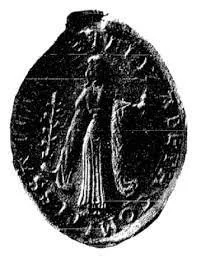
Eleanor of Vermandois
In the shadowed corridors of twelfth-century French history stands a woman whose story has been largely forgotten—Eleanor of Vermandois (c. 1148–1213). Born into one of medieval Europe's most controversial families, Eleanor's life was marked by political intrigue, personal tragedy, and remarkable resilience as she navigated a world where powerful men controlled women's destinies.
If you're planning to read my popular, and currently free, historical novella Eleanor's Revenge, the first section of this post is spoiler-free, introducing Eleanor and her family background. Further down, after a clear spoiler warning, I delve into the full dramatic arc of her life.
A Scandalous Beginning
Eleanor's very existence was rooted in scandal. Her parents' marriage in 1142 triggered one of the most notorious affairs of the medieval period. Her father, Raoul I, Count of Vermandois, was the powerful seneschal of France and cousin to King Louis VII. Her mother, Petronilla of Aquitaine, was the younger sister of the legendary Eleanor of Aquitaine, who would become Queen of both France and England.
Their love story began at the French court around 1141, when Petronilla met the much older, married Raoul. With her sister's encouragement and the king's approval, Raoul secured an annulment from his first wife, Eleanor of Blois, on dubious grounds of consanguinity. Three compliant bishops—one of whom was Raoul's own brother—officiated at Raoul and Petronilla's wedding in early 1142.

Philippe II (Augustus) of France Humiliated Queen Ingeborg
A Wedding Day Turned Nightmare
On 14 August 1193, the cathedral at Amiens was filled with splendour. Nobles crowded in, candles glowed, and choirs sang as King Philip II of France — called Augustus for his ambition — married Ingeborg of Denmark, a daughter of King Valdemar I.
It was a diplomatic triumph. The marriage would secure French ties to Denmark, giving Philip allies in the north and prestige across Christendom. Ingeborg, known for her piety and education, arrived prepared to be queen of France.
But before the day was out, her life turned into a nightmare.

Matthew of Boulogne — The Count Who Kidnapped a Nun
In 1160, Matthew seized Marie from Romsey Abbey and forced her into marriage. Chroniclers condemned the act as a violation of holy vows. John of Salisbury, writing in the period, described the outrage with which churchmen viewed the marriage. It was a scandal even by the rough standards of the age.
Marie was wrenched from her abbey, stripped of her religious identity, and thrust into the role of countess against her will. For women in the Middle Ages, the cloister was often seen as protection from such forced unions — but not for Marie.