WELCOME TO RACHEL’S FICTION WRITING AND REVIEWS BLOG
This is where Rachel keeps you up to date with her novels and stories and also shares reviews, highlights and extracts from other authors.

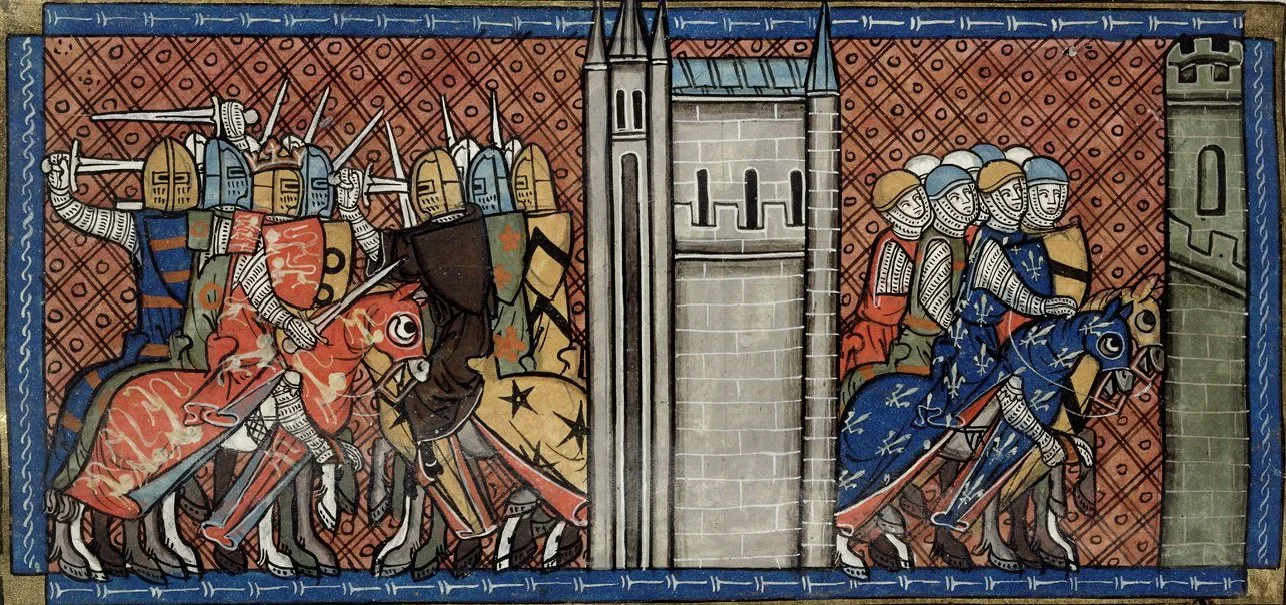
Magna Carta Day: The Meadow Where a King Was Made to Yield, and the Woman Who Saved It from Ruin
Magna Carta was not born in a peaceful ceremony, but in a tense meadow surrounded by armed men, suspicion, and civil war. On Magna Carta Day, explore the real drama of Runnymede, King John’s tyranny, and the forgotten role of Nicola de la Haye — the woman who helped save England and Magna Carta itself.
Fastrada: Charlemagne’s Queen History Tried to Forget
Charlemagne is usually thought of as the iron-willed king, crowned Emperor of the Romans in 800, architect of a European empire and champion of learning and reform. What we never hear about, however, are the women who stood beside him: women whose influence shaped politics, justice, and the fragile stability of his realm.
One of the most controversial of these women was Fastrada, Charlemagne’s fourth wife and queen, a woman remembered less for what she did than for how male chroniclers chose to describe her.
A Frankish Noblewoman in a Dangerous Court
Fastrada was born into the high Frankish nobility around the mid-8th century, the daughter of Count Radulf. Her marriage to Charlemagne in 783 was not a romantic match but a strategic one, strengthening ties between powerful families within the Frankish heartlands. This was a period when Charlemagne’s empire was expanding rapidly through conquest, forced conversion, and ruthless suppression of revolt.
Queens in the Carolingian world were not crowned consorts in the later medieval sense, but they were far from ornamental. They managed households, acted as intermediaries, dispensed patronage, and, crucially, advised the king. Fastrada arrived at court at a moment when Charlemagne’s rule was under strain from internal rebellion, particularly in Saxony.
“Cruel” Queen or Convenient Scapegoat?
Our surviving sources paint Fastrada in dark colours. Einhard, Charlemagne’s biographer, describes her as harsh and cruel, claiming that her influence made the king more severe in judgement. Later chroniclers echoed this, blaming her for brutal punishments meted out against rebels and dissenters.
But this raises an uncomfortable question: Was Fastrada truly cruel, or was she blamed for decisions Charlemagne himself made?
Early medieval queens were often held responsible when kings ruled harshly. Advising firmness could easily be reframed as bloodthirstiness, especially when the adviser was a woman. Fastrada’s reputation may tell us more about medieval anxieties over female influence than about her actual character.
It is worth noting that Charlemagne’s most notorious acts of brutality, including the mass executions of Saxons, predated and outlasted Fastrada’s life. Yet only she became a symbol of excessive severity.