WELCOME TO RACHEL’S FICTION WRITING AND REVIEWS BLOG
This is where Rachel keeps you up to date with her novels and stories and also shares reviews, highlights and extracts from other authors.

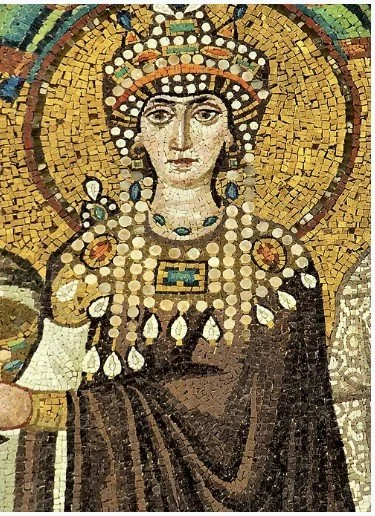
Empress Theodora of Byzantium: She Saved an Empire
The latest in the blog series is a special treat for me. I’ve long been fascinated, but a bit in the dark, about the Byzantine Empire.
But it seems few women of the early Middle Ages rose as far—or have been judged as harshly—as Empress Theodora of Byzantium. Rising from the margins of Constantinople’s theatre world to become one of the most powerful women in imperial history, Theodora’s story is one of intelligence, ambition, resilience, and reinvention. And like so many extraordinary women, she was both celebrated and vilified by her contemporaries.
Who Was Empress Theodora?
Born around 500 CE, Theodora started life far from the purple. Her father was a bear trainer for the Hippodrome’s Blue faction, and after his death, Theodora and her sisters were pushed into the theatre—an environment that in Byzantium sat somewhere between entertainment, politics, and scandal. According to the hostile historian Procopius (more on him later), Theodora’s early life involved performance, satire, and possibly sex work—though his account is so malicious that modern historians tread carefully.
What we do know is that Theodora was:
Exceptionally intelligent, known for her quick wit and sharp political instincts
Socially mobile in a rigid society, rising from performer to respected mistress of the imperial court
Deeply religious, eventually embracing Monophysite Christianity
A political partner, not merely a wife, to Emperor Justinian I
When Justinian became emperor in 527 CE, Theodora ruled alongside him as Augusta, wielding extraordinary influence—sometimes surpassing that of her husband.
The Nika Riots: A Moment That Defined an Empress
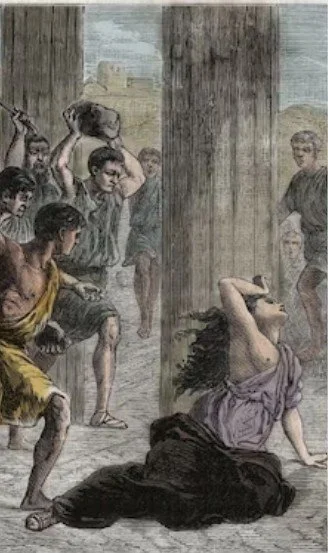
Hypatia of Alexandria
Few figures from the ancient world deserve as much wonder, controversy, and myth-making as Hypatia of Alexandria. Renowned as a philosopher, astronomer, and mathematician in a city often riven by political and religious turbulence, Hypatia has come to symbolise both the intellectual heights of late antiquity and the dangers faced by women who dared to wield knowledge and influence.
Who Was Hypatia?
Hypatia (c. 355–415 CE) was the daughter of Theon of Alexandria, himself a respected scholar and the last recorded member of the Museum—the great scholarly institution associated with the Library of Alexandria (interesting fact of the day about the term ‘Museum’). Raised in this environment, Hypatia received an exceptional education in mathematics, astronomy, and Platonic philosophy. By adulthood she had surpassed her father’s reputation, becoming:
A leading lecturer in Neoplatonism, attracting Christian, pagan, and Jewish students alike;
An authority in mathematics, editing and refining works such as Diophantus’s Arithmetica and Apollonius’s Conics;
A public intellectual, known for her counsel to civic leaders, including the Roman prefect Orestes
She was, quite simply, quite a woman!
Murder Most Foul
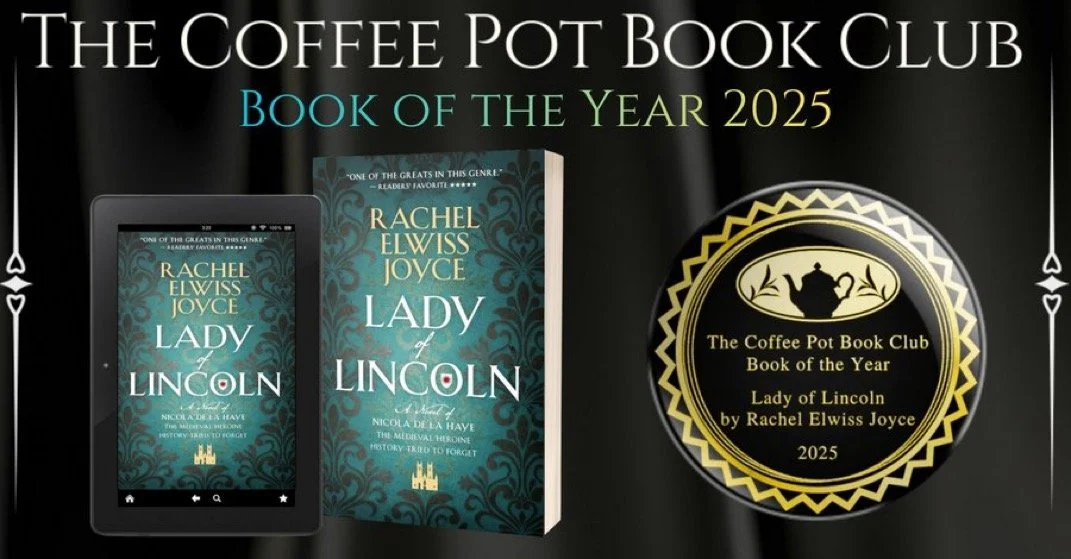
LADY OF LINCOLN Wins Book of the Year Award!
I can’t quite believe I’m posting this, but besides winning the Gold Medal for Historical Biographical Fiction, LADY OF LINCOLN won the Book of the Year Award in the Coffee Pot Book Club annual awards!
I’m so honoured that my novel has been recognised amongst such great fiction, and so pleased to have done the memory of NIcola de la Haye proud! 😀
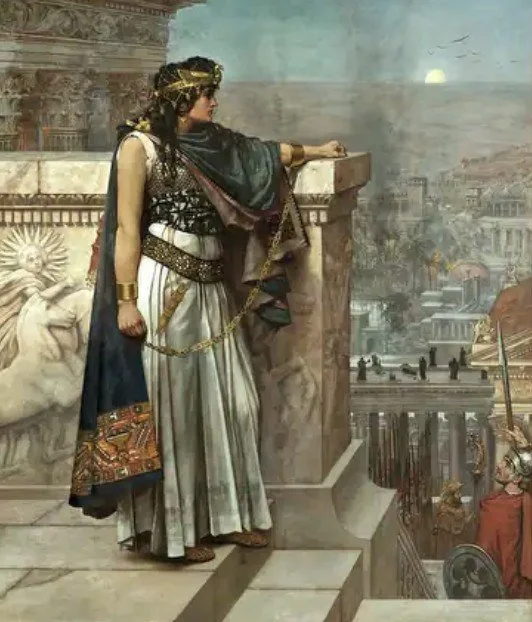
Zenobia of Palmyra: the Queen Who Defied Rome
In the third century CE, as Rome teetered on the brink of fragmentation, a woman from the desert city of Palmyra rose to challenge the empire itself.
Her name was Zenobia — scholar, strategist, queen, and for a brief, extraordinary moment, empress of the East.

Vibia Sabina: Empress, Wife of Hadrian
I bet that if you think of Emperor Hadrian, you think about his great wall in the north of England. Possibly you might think of the Roman decadence of villas and statues made from marble. Yet beside him, often erased from the narrative, stood Vibia Sabina, his wife and Rome’s empress for more than four decades.
Her likeness survives on hundreds of coins, but her voice does not. She remains one of antiquity’s most silent women.