WELCOME TO RACHEL’S BLOG
Scroll down to see the most recent posts, or use the search bar to find previous blogs, news, and other updates

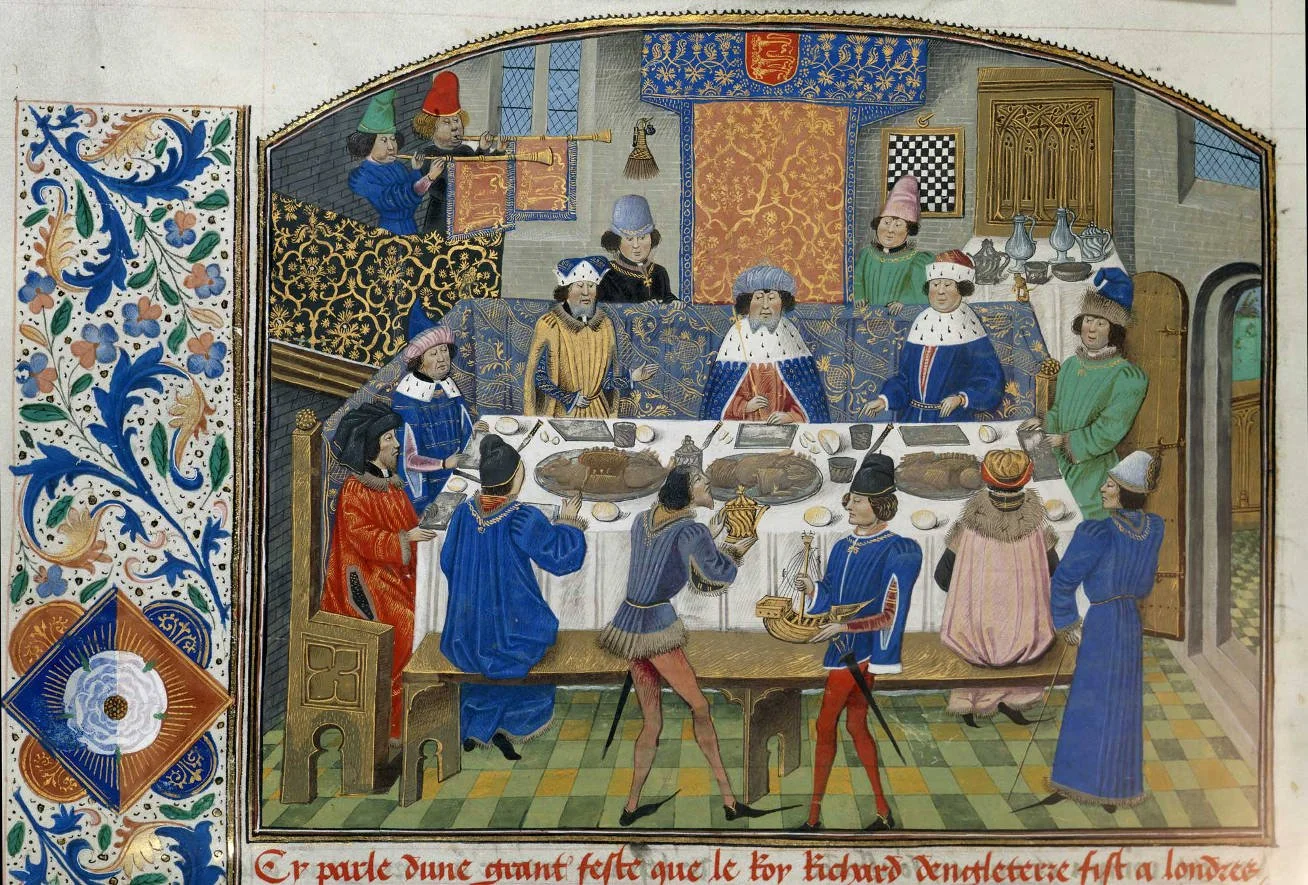
How a Birthday Party at Chinon Kickstarted a Civil War (5 March 1173)
Today is my birthday 😁. And as birthdays go, I could have shared mine with worse people, because 5 March 1133 was also the birthday of Henry II of England, born at Le Mans, one of the most formidable rulers medieval Europe ever produced.
Henry II’s Birthday was 5th March
Soldier, lawgiver, empire-builder, father of eight legitimate children (and countless illegitimate ones), and a man whose family would become both his greatest weapon, his biggest headache, and eventually most spectacular downfall.
Which makes today a good day to talk about what happened on his fortieth birthday, in 1173. Because that evening a feast was held at Château de Chinon. The great hall would have been ablaze with candlelight and Henry, thinking he’d managed to control his spoiled, entitled (but courteous and generous) namesake son, allowed the goblets to be repeatedly refilled by his son’s own hand.
The drunkenness that followed led to everything that followed: the Great Rebellion, where Henry’s family were torn apart, and his throne would never feel secure again.
This event, and the Great Rebellion itself, runs through the heart of my novel Lady of Lincoln.
Big News: Lady of the Castle Shortlisted for the HNS First Chapter Competition
Lady of the Castle has been shortlisted for the Historical Novel Society's First Chapter Competition before it’s even been published, and and I'm still doing a happy dance about it! 🥳
This is my second Nicola de la Haye novel, still unpublished, still being polished, but somehow its opening chapter caught the attention of the HNS judges in the competitive 11th–16th Century Category. 😀
The competition honours exactly what makes historical fiction electric: that first page that drops you into another century and refuses to let go. Nicola de la Haye - castellan, survivor, one of medieval England's most remarkable women - has a story worth telling, and it’s wonderful that Lady of Lincoln has already won so many awards, but also that Lady of the Castle is being credited even before the book even exists in final form!
Lady of the Castle continues where Lady of Lincoln left off, following Nicola through the treacherous politics and passions of the late 12th century. I'm deep in final revisions. You can track my writing and publishing progress here.
Stay tuned!
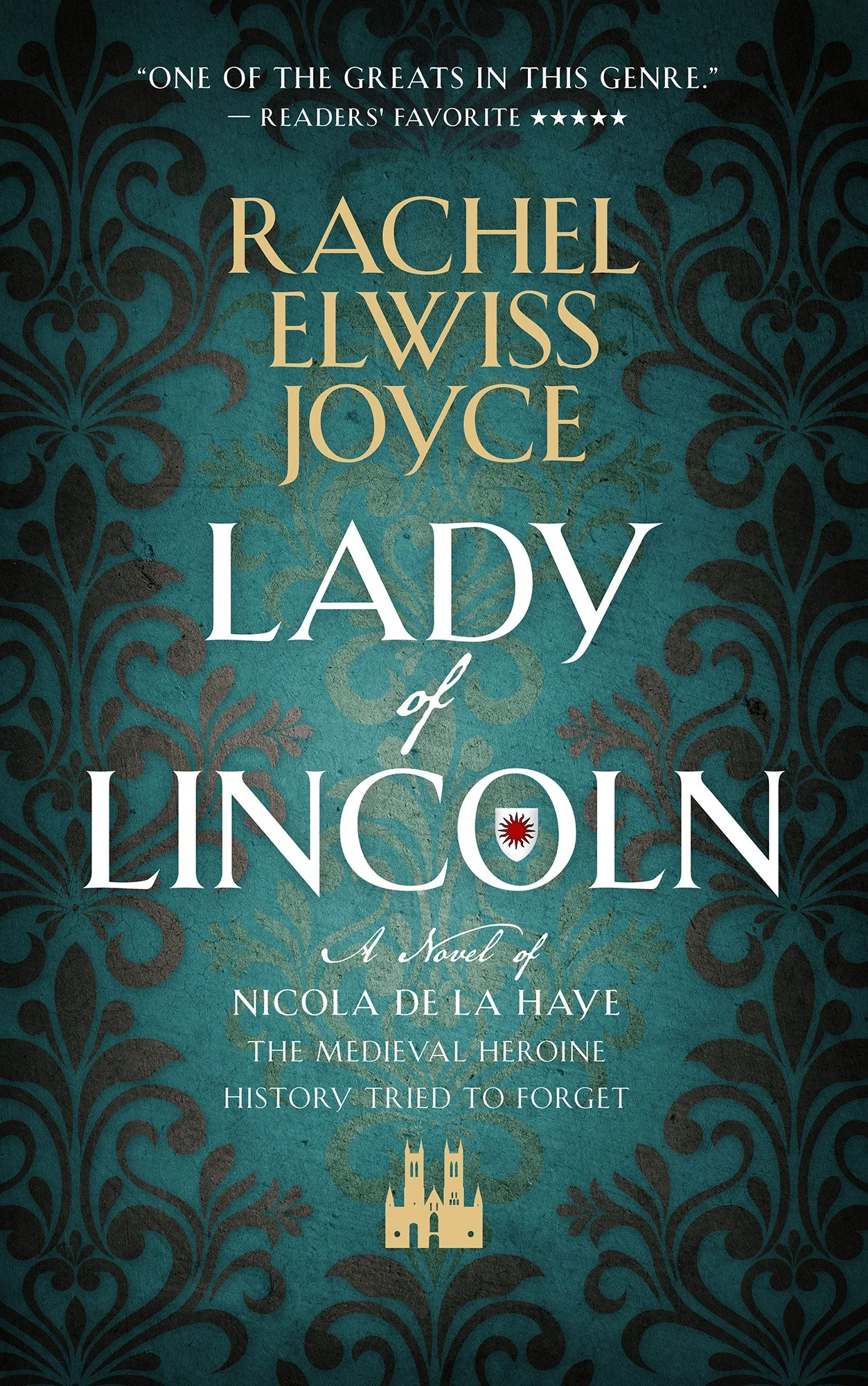
She Was Almost Written Out of History, But Today, She Takes Back Her Story
Lady of Lincoln is officially here, and the woman history almost forgot is ready to be remembered.
Today is publication day for Lady of Lincoln, and I won't pretend I'm not emotional. This book, and this woman, has lived in my heart for years.
Nicola de la Haye was real. She inherited Lincoln Castle, commanded a garrison, defied kings, and at nearly seventy years old, held her fortress against the forces of Prince Louis of France in a siege and then a battle that may have changed the course of English history. Without her, England might be speaking French today.
And yet, until now, you've almost certainly never heard her name.
I hope that ends today.

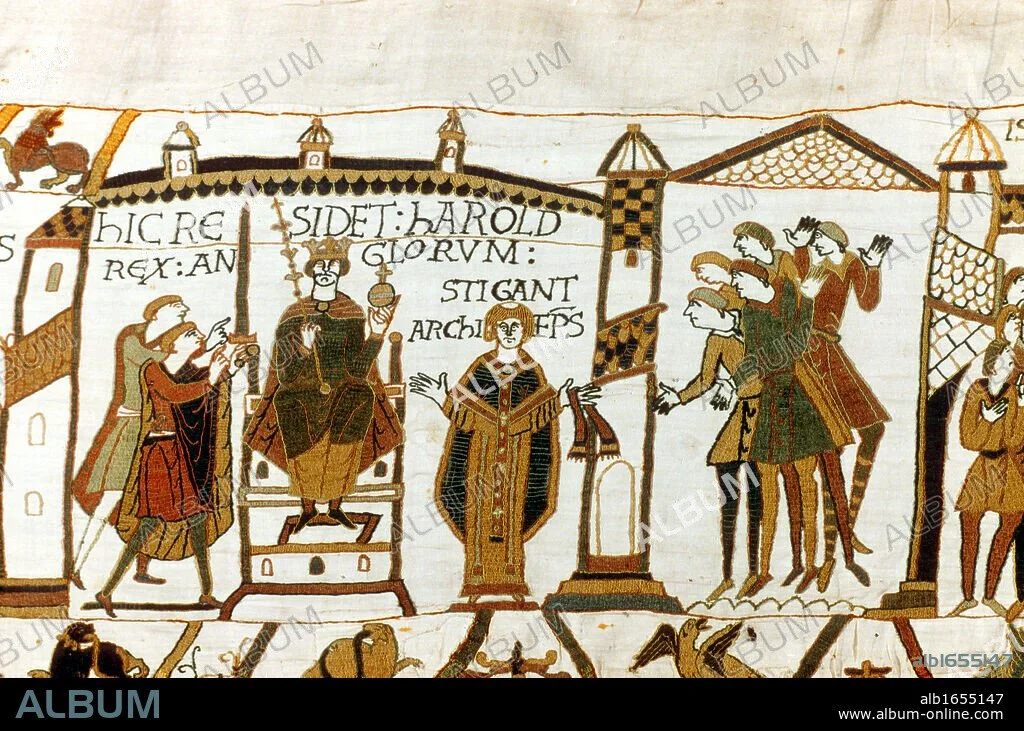
The Saxon Secret to Avoiding a Bad Ruler
What if the worst rulers in English history didn't have to happen?
Bad kings - the weak, the cruel, the catastrophically incompetent - weren't inevitable. They were the consequence of a system that handed the most powerful job in the kingdom to whoever happened to emerge from the right womb in the right order!
Primogeniture, succession by (male) birth order, gave England Edward II, whose personal failings and political incompetence ended in his deposition and probable murder. It gave England Richard II, whose erratic tyranny triggered a constitutional crisis and cost him his throne. It gave England Henry VI, whose mental collapse plunged the country into thirty years of civil war. These weren't accidents of fate. They were what happens when a system prioritises birth order over every other human quality.
But before the Normans locked this system in place, the Anglo-Saxons did something far more interesting.