WELCOME TO RACHEL’S FICTION WRITING AND REVIEWS BLOG
This is where Rachel keeps you up to date with her novels and stories and also shares reviews, highlights and extracts from other authors.

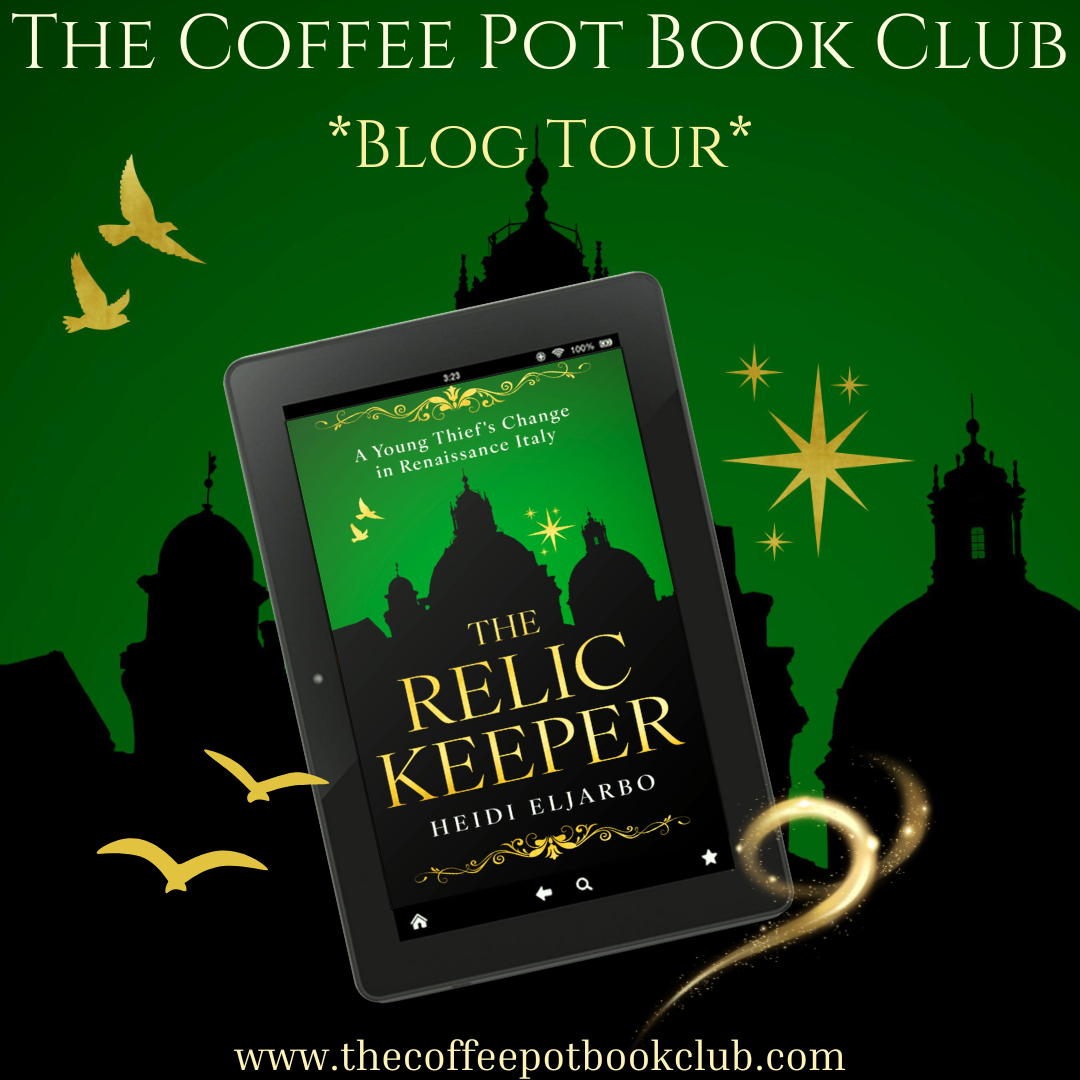
The Relic Keeper by Heidi Eljarbo
I’m thrilled today to be spotlighting the late-Renaissance historical novel, The Relic Keeper by Heidi Eljarbo, with Christian themes about hope and love.
Inspired by Gerrit van Honthorst’s masterpiece, The Adoration of the Child, and the novel Oliver Twist by Charles Dickens.
Italy, 1620.
Angelo is an orphan, lonely and forgotten. Having been passed on from one family to the next, he ends up as a common thief, subject to and under the thumb of a ruthless robber called Tozzo.
Angelo knows no other life and has lost hope that any chance of providence will ever replace his lonely, misfortunate existence. When he loses his master, his livelihood is shaken. Tozzo’s plunder is hidden in a safe place, but what will happen if someone comes after Angelo to get their hands on the stolen relics? More than that, he feels threatened by words he’s heard too many times; that he’ll always remain unforgiven and doomed.
One day, a priest invites Angelo to help with chores around the church and rectory and, in exchange, offers him room and board. Padre Benedetto’s kindness and respect are unfamiliar and confusing, but Angelo’s safety is still a grave concern. Two older robbers have heard rumors about the hidden treasures and will stop at nothing to attain them.
With literary depictions and imagery, Angelo’s story is a gripping and emotional journey of faint hope and truth in seventeenth-century Italy—an artistic and audacious tale that crosses paths with art collector Vincenzo Giustiniani and the powerful Medici family.
Using invisible threads, Heidi Eljarbo weaves together her fictional stories with historical figures and real events.
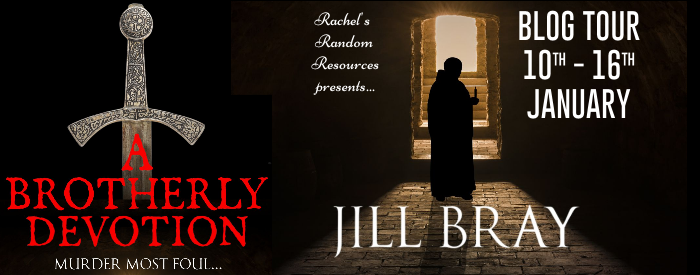
Book Review: A Brotherly Devotion by Jill Bray
I thoroughly enjoyed this historical whodunnit and would recommend.
It started with action (the murder) and kept going. It took me a chapter or so to get into the writing, but the story was so engaging I was immersed by chapter 2.
I really love stories that contain more than one plot, and where the various plots intertwine. This story, with murders, a love triangle, paternalistic misogyny (when doesn’t that happen in medieval times, me thinks…), the peasants revolting because there isn’t enough food, and out-of-touch, wealthy churchmen and class divides, gave a fun and interesting read.