WELCOME TO RACHEL’S BLOG
Scroll down to see the most recent posts, or use the search bar to find previous blogs, news, and other updates
Muriel of Lincoln
Nicola de la Haye held Lincoln Castle against a French siege and saved England, and everyone remembers her name.
Almost no one remembers her grandmother.
Muriel of Lincoln didn't lead armies or defy kings in any spectacular fashion, but without her calculated survival and strategic positioning, there would be no Nicola, no legend, no castle defense that changed the course of English history.
This is the story of the invisible foundation upon which greatness was built.
The Survivor's Daughter
After 1066, most Saxon lords lost everything—their lands, their titles, their entire futures disappeared as William the Conqueror handed England to his Norman knights like spoils of war.
But Muriel's father, Colswein of Lincoln, somehow managed to keep his holdings, and the Domesday Book provides the documentary proof of this remarkable survival.
This wasn't luck or accident—this was cold, hard value in the eyes of the new regime. The Normans needed more than swords and intimidation to actually rule England in any sustainable way; they needed local networks, local loyalty, and men who could make occupation feel less like conquest and more like legitimate governance. Colswein was one of those rare men who proved too useful to destroy, whose cooperation was worth more than his elimination.
And the fastest, most permanent way to lock in that kind of usefulness? Marriage between the old world and the new.
The Secret Is Out: The Heroine of Rachel’s Upcoming Novel is… Nicola de la Haye
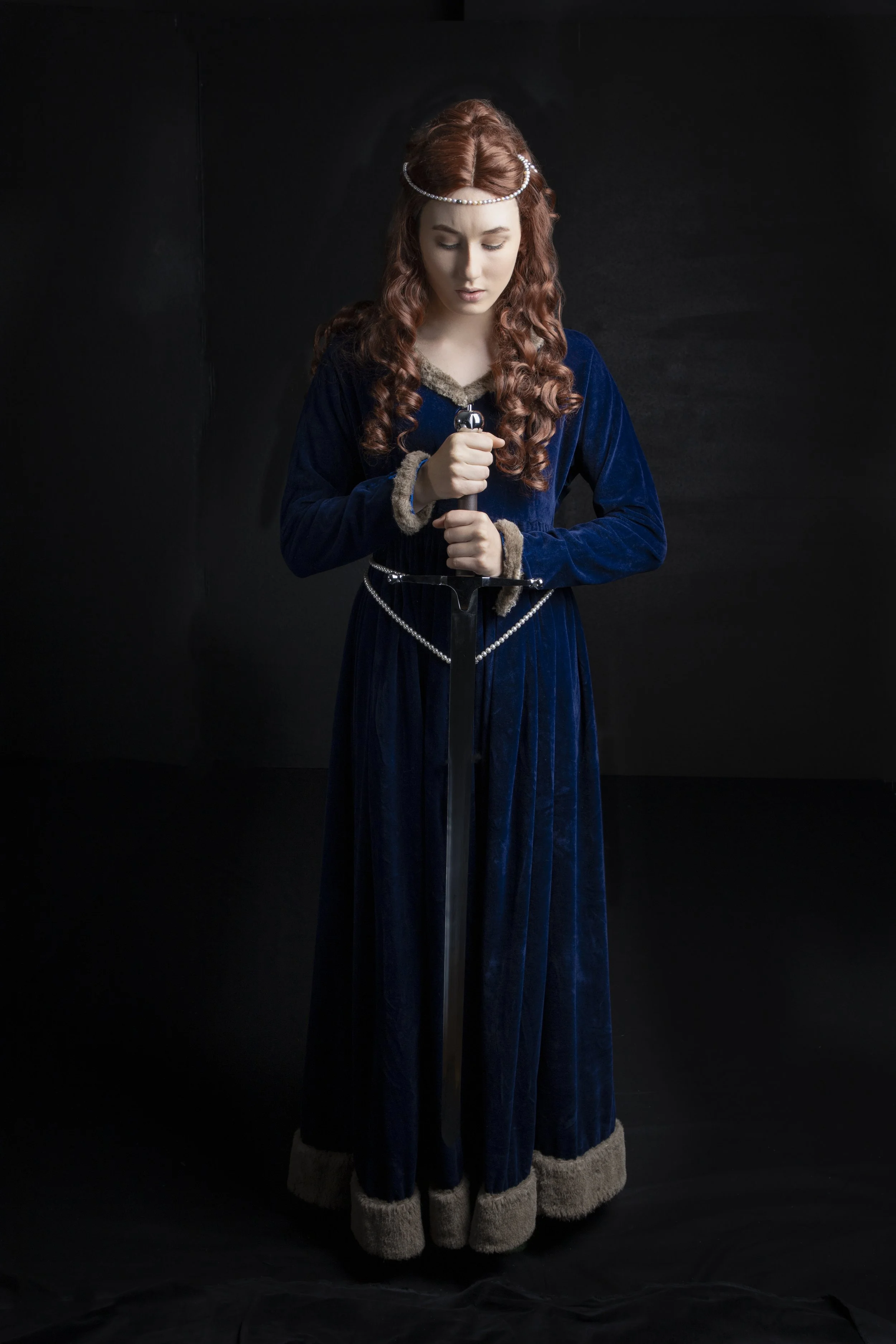
My protagonist is Nicola (Nicholaa) de la Haye: the woman who saved England.
Nicola isn’t a creation of legend or folklore. She was real — a formidable 12th- and 13th-century noblewoman who defied the expectations of her age. She inherited power in her own right, commanded a castle garrison, and twice (at least) defended Lincoln Castle from siege.
Most famously, in 1217, when England teetered on the edge of conquest by Prince Louis of France, Nicola — then nearly seventy years old — refused to surrender her castle. She held the fortress until William Marshal’s army turned the tide in what chroniclers called the Battle of Lincoln Fair (or the Second Battle of Lincoln). Without her, England’s story might have ended very differently.