WELCOME TO RACHEL’S FICTION WRITING AND REVIEWS BLOG
This is where Rachel keeps you up to date with her novels and stories and also shares reviews, highlights and extracts from other authors.


Herstory Refuses to Be Forgotten!
ady of Lincoln opens in 1168, when a fourteen-year-old Nicola de la Haye stood in the barracks of Lincoln Castle, a young girl surrounded by sleeping soldiers, determined to help a boy who didn't belong. It was a small act of defiance in a world that would soon demand much larger ones.
I'm honoured to share that Lady of Lincoln has been named a semi-finalist in the 2025 Chanticleer Chaucer Awards for Early Historical Fiction.
The novel has already won awards, and this is a highly prestigious one. Chuffed as I am, it’s not really about awards and recognition that I can weave a good tale (although I’m thrilled about that!). It's about what Nicola's story represents—a woman who inherited a barony and a castle in her own right, who found herself caught between impossible loyalties when her husband joined the Great Rebellion of 1173-4, and who chose to defend what was hers.
That’s what inspired me to write about her in the first place.
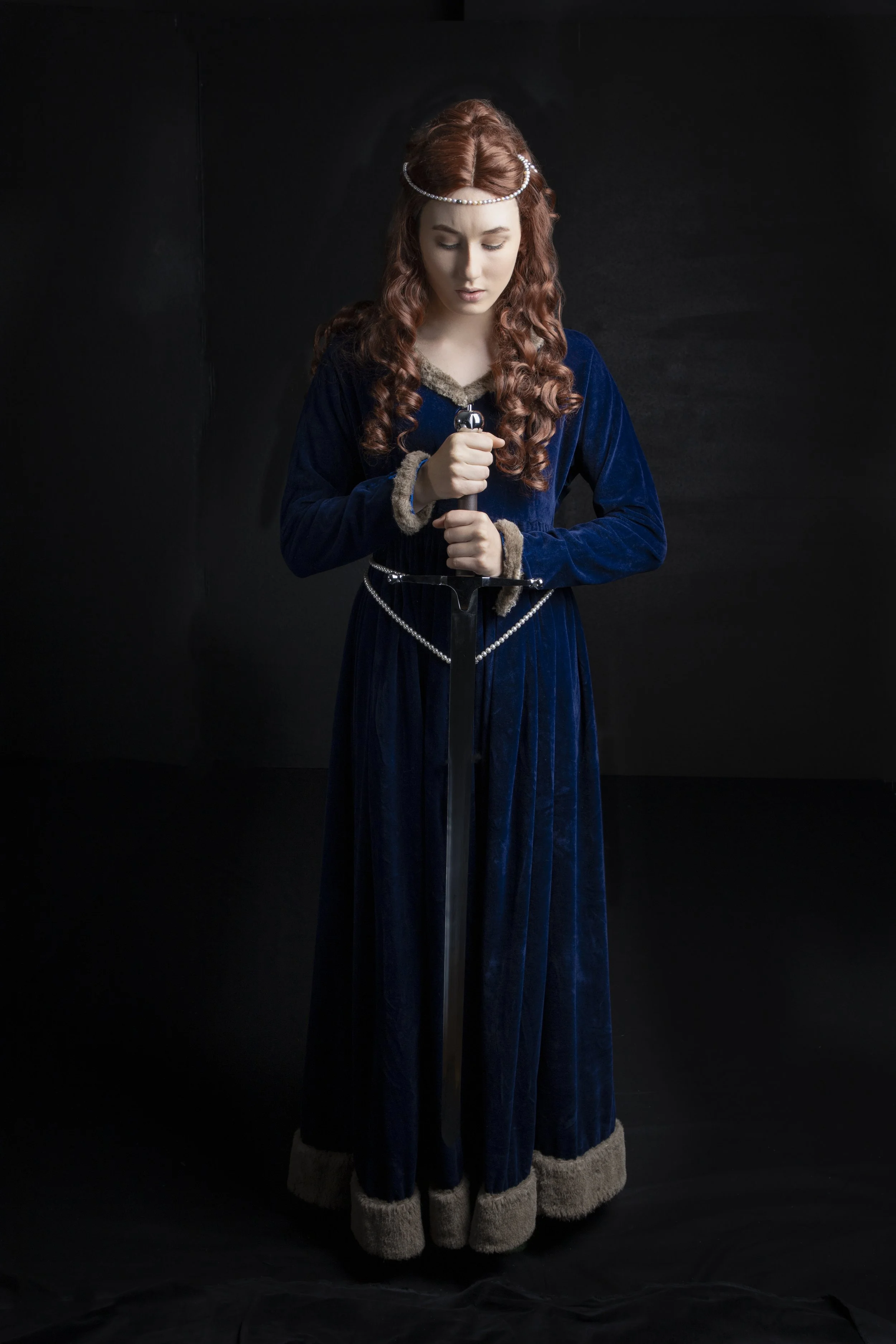
The Secret Is Out: The Heroine of Rachel’s Upcoming Novel is… Nicola de la Haye
My protagonist is Nicola (Nicholaa) de la Haye: the woman who saved England.
Nicola isn’t a creation of legend or folklore. She was real — a formidable 12th- and 13th-century noblewoman who defied the expectations of her age. She inherited power in her own right, commanded a castle garrison, and twice (at least) defended Lincoln Castle from siege.
Most famously, in 1217, when England teetered on the edge of conquest by Prince Louis of France, Nicola — then nearly seventy years old — refused to surrender her castle. She held the fortress until William Marshal’s army turned the tide in what chroniclers called the Battle of Lincoln Fair (or the Second Battle of Lincoln). Without her, England’s story might have ended very differently.