WELCOME TO RACHEL’S BLOG
Scroll down to see the most recent posts, or use the search bar to find previous blogs, news, and other updates

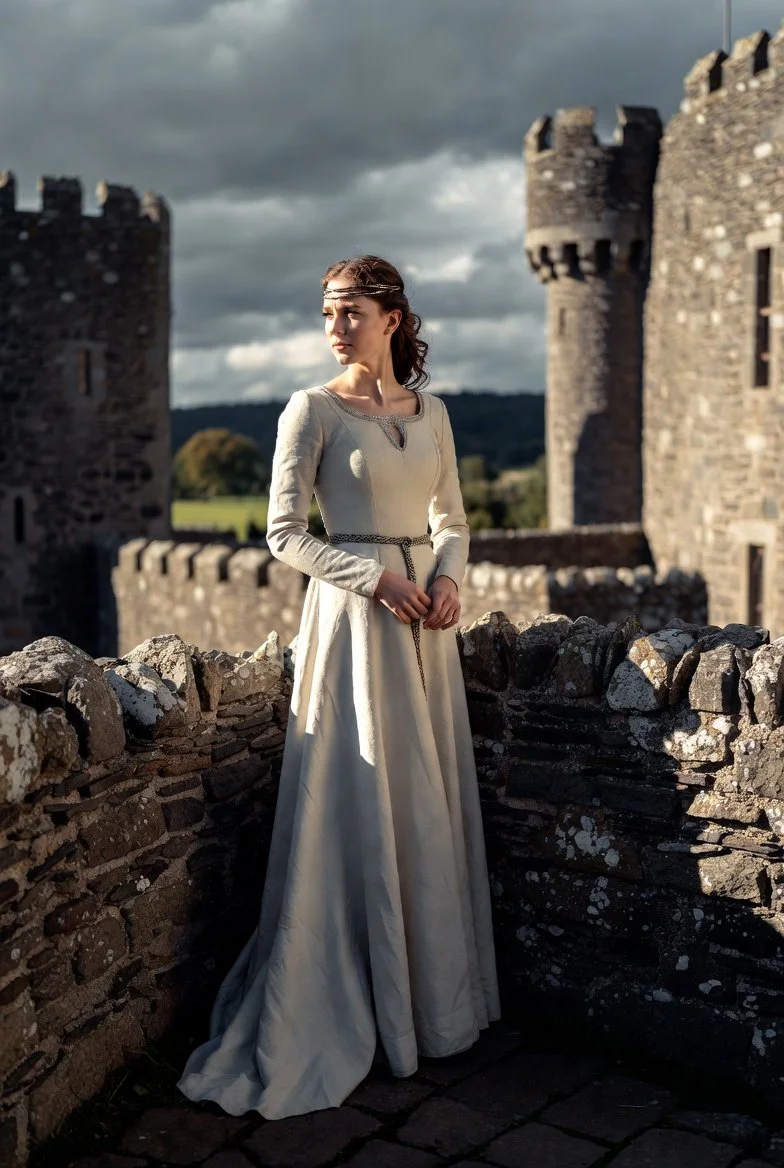
Muriel of Lincoln
Nicola de la Haye held Lincoln Castle against a French siege and saved England, and everyone remembers her name.
Almost no one remembers her grandmother.
Muriel of Lincoln didn't lead armies or defy kings in any spectacular fashion, but without her calculated survival and strategic positioning, there would be no Nicola, no legend, no castle defense that changed the course of English history.
This is the story of the invisible foundation upon which greatness was built.
The Survivor's Daughter
After 1066, most Saxon lords lost everything—their lands, their titles, their entire futures disappeared as William the Conqueror handed England to his Norman knights like spoils of war.
But Muriel's father, Colswein of Lincoln, somehow managed to keep his holdings, and the Domesday Book provides the documentary proof of this remarkable survival.
This wasn't luck or accident—this was cold, hard value in the eyes of the new regime. The Normans needed more than swords and intimidation to actually rule England in any sustainable way; they needed local networks, local loyalty, and men who could make occupation feel less like conquest and more like legitimate governance. Colswein was one of those rare men who proved too useful to destroy, whose cooperation was worth more than his elimination.
And the fastest, most permanent way to lock in that kind of usefulness? Marriage between the old world and the new.
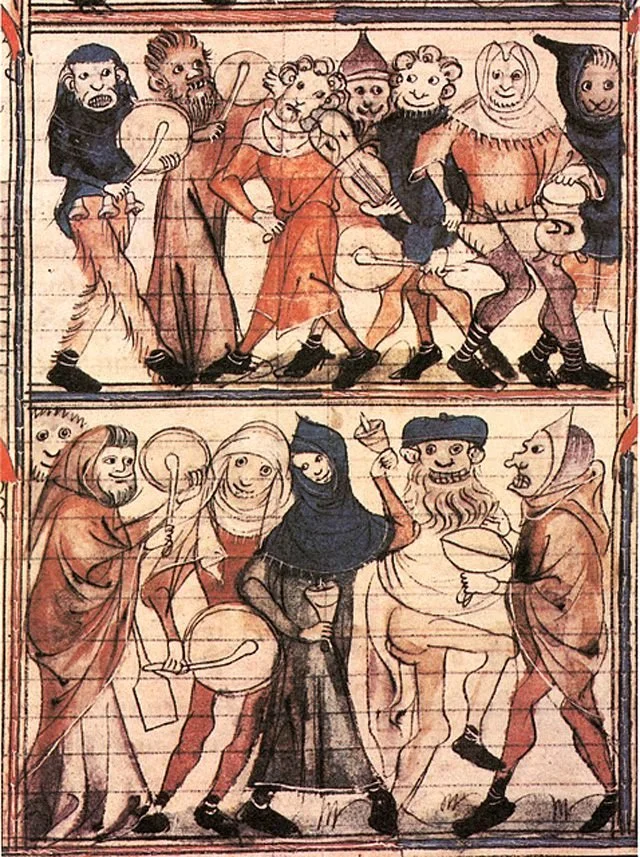
Medieval New Year's Eve: When Chaos Was the Point
Forget champagne at midnight and awkward renditions of "Auld Lang Syne." Medieval New Year's was an entirely different beast, and honestly? It sounds way more fun.
Across Europe, the turning of the year wasn't just a date on the calendar. It was a full-blown excuse to flip everyday life on its head, stuff your face with roasted meat, and generally behave in ways that would make your local priest extremely nervous.
The Feast of Fools: Your Annually Scheduled Revolution
The Festival of Fools
Picture this: It's January 1st in a medieval town. The lowly church clerks and regular townsfolk have just elected a "Pope of Fools." They're parading through the streets in ridiculous costumes, possibly drunk, definitely making a mockery of sacred rituals. There's dancing. There's dice rolling during church services. Someone's definitely cross-dressing. It's absolute pandemonium.
Welcome to the Festum Fatuorum—the Feast of Fools.
What started as cheeky bits of playacting during Christmas church services eventually spiraled into something gloriously unhinged. By the later Middle Ages, you had masked dances, muddy street parades, and the kind of irreverent chaos that eventually made church authorities say "okay, that's ENOUGH" and ban the whole thing in the 15th century. (Though, naturally, people kept doing versions of it anyway because people have always been delightfully stubborn about their fun.)
Think of it as medieval Mardi Gras meets The Office Christmas party, but with more livestock in the streets.
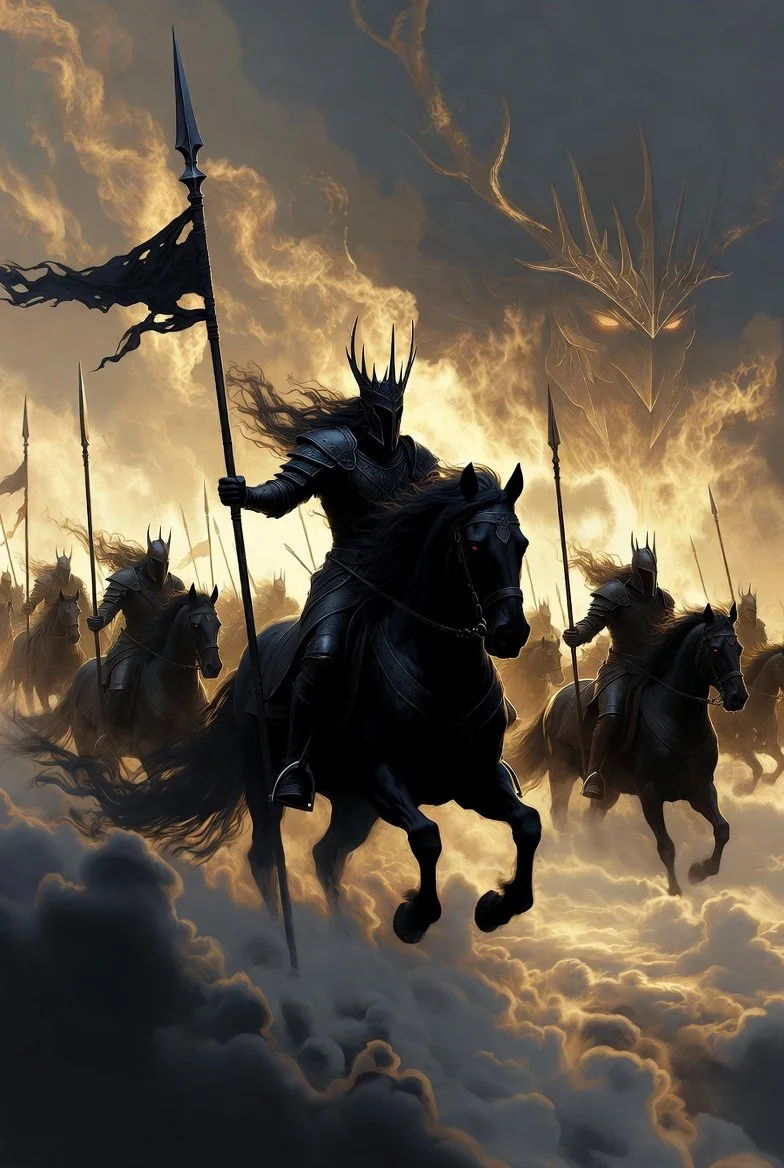
Feasts, Folklore & Boar: A Medieval Christmas with a Dash of Wild Hunt Magic
Christmas is coming; and if you think today’s festive spread is decadent, just imagine what a medieval English banquet looked like! Long before turkeys were discovered in America, people from monks to monarchs gathered round a banquet table groaning with pies, ale, spiced wine, and one very impressive centrepiece: the boar’s head.
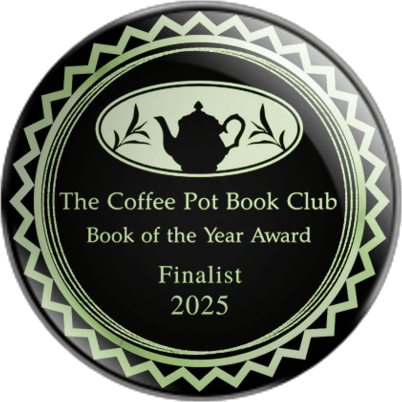
Finalist in Book of the Year! 🥳
I was overwhelmed last night to receive this surprise email:
“I am pleased to announce that your book, Lady of Lincoln, is a Finalist in The Coffee Pot Book Club Book Of The Year Awards 2025.”
Lady of Lincoln is a finalist for Book of the Year Award with the Coffee Pot Book Club
I’m overjoyed and delighted. 🎊🎊🎊🎊🥂🥂🥂🥳🥳🥳
In particular, I’m so pleased that Nicola (Nicholaa) de la Haye’s story is gaining recognition! 🏰