WELCOME TO RACHEL’S BLOG
Scroll down to see the most recent posts, or use the search bar to find previous blogs, news, and other updates


Philippe II (Augustus) of France Humiliated Queen Ingeborg
A Wedding Day Turned Nightmare
On 14 August 1193, the cathedral at Amiens was filled with splendour. Nobles crowded in, candles glowed, and choirs sang as King Philip II of France — called Augustus for his ambition — married Ingeborg of Denmark, a daughter of King Valdemar I.
It was a diplomatic triumph. The marriage would secure French ties to Denmark, giving Philip allies in the north and prestige across Christendom. Ingeborg, known for her piety and education, arrived prepared to be queen of France.
But before the day was out, her life turned into a nightmare.

Fulk V of Anjou: the King Who Beat His Queen
When Fulk arrived in Jerusalem, he wasted no time in asserting himself. Rather than rule alongside Queen Melisende as Baldwin had intended, he began sidelining her in every act of government. Charters that once bore her name alone now appeared only with Fulk’s. The Angevin knights who followed him filled the court, and Melisende’s supporters were dismissed.
Chroniclers tell us that Fulk acted as if Jerusalem were his by right, ignoring the fact that he was only there through his wife’s inheritance. To medieval men, this seemed natural. To Melisende’s followers, it was an outrage.

Matthew of Boulogne — The Count Who Kidnapped a Nun
In 1160, Matthew seized Marie from Romsey Abbey and forced her into marriage. Chroniclers condemned the act as a violation of holy vows. John of Salisbury, writing in the period, described the outrage with which churchmen viewed the marriage. It was a scandal even by the rough standards of the age.
Marie was wrenched from her abbey, stripped of her religious identity, and thrust into the role of countess against her will. For women in the Middle Ages, the cloister was often seen as protection from such forced unions — but not for Marie.
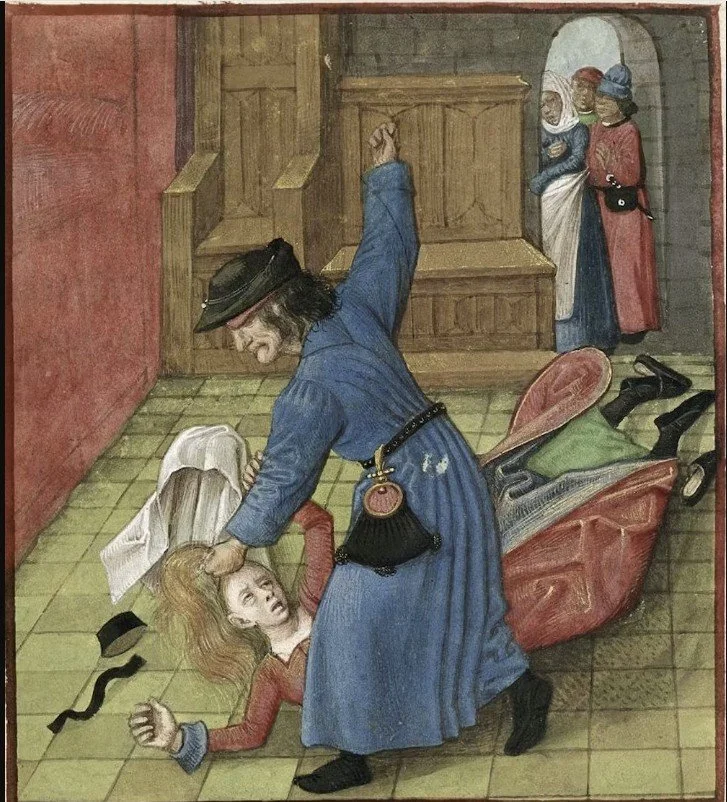
Medieval Misogyny: Five Men Who Made Women’s Lives Miserable
This blog series uncovers the darker side of 12th-century power: the men whose actions towards women were so cruel that even their contemporaries condemned them.

Geoffrey of Anjou: The Handsome Count Who Founded the Plantagenet Dynasty (Died 7th September 1151)
On September 7, 1151, Geoffrey of Anjou — known as “le Bel” or “the Handsome” — collapsed with a sudden fever and died at just 38 years old.
He was never king. He never wore a crown.
And yet, Geoffrey Plantagenet shaped the medieval world more than many monarchs.
Without him, there would be no Henry II, no Richard the Lionheart, no King John and Magna Carta, and no centuries-long Plantagenet dynasty. Geoffrey’s story isn’t just a footnote — it’s the spark that set medieval England ablaze.

Bloodbath at the Lionheart’s Coronation
We remember Richard the Lionheart as a crusader king, a warrior who fought Saladin, and whose name resounded across Christendom. But for England’s Jews, his reign began in fire and betrayal.
Benedict of York’s story embodies that betrayal. Beaten at the doors of Westminster Hall, baptised by a friend who meant him no harm, denied even a grave among his people, his fate symbolises the peril of being both essential and despised in medieval England.
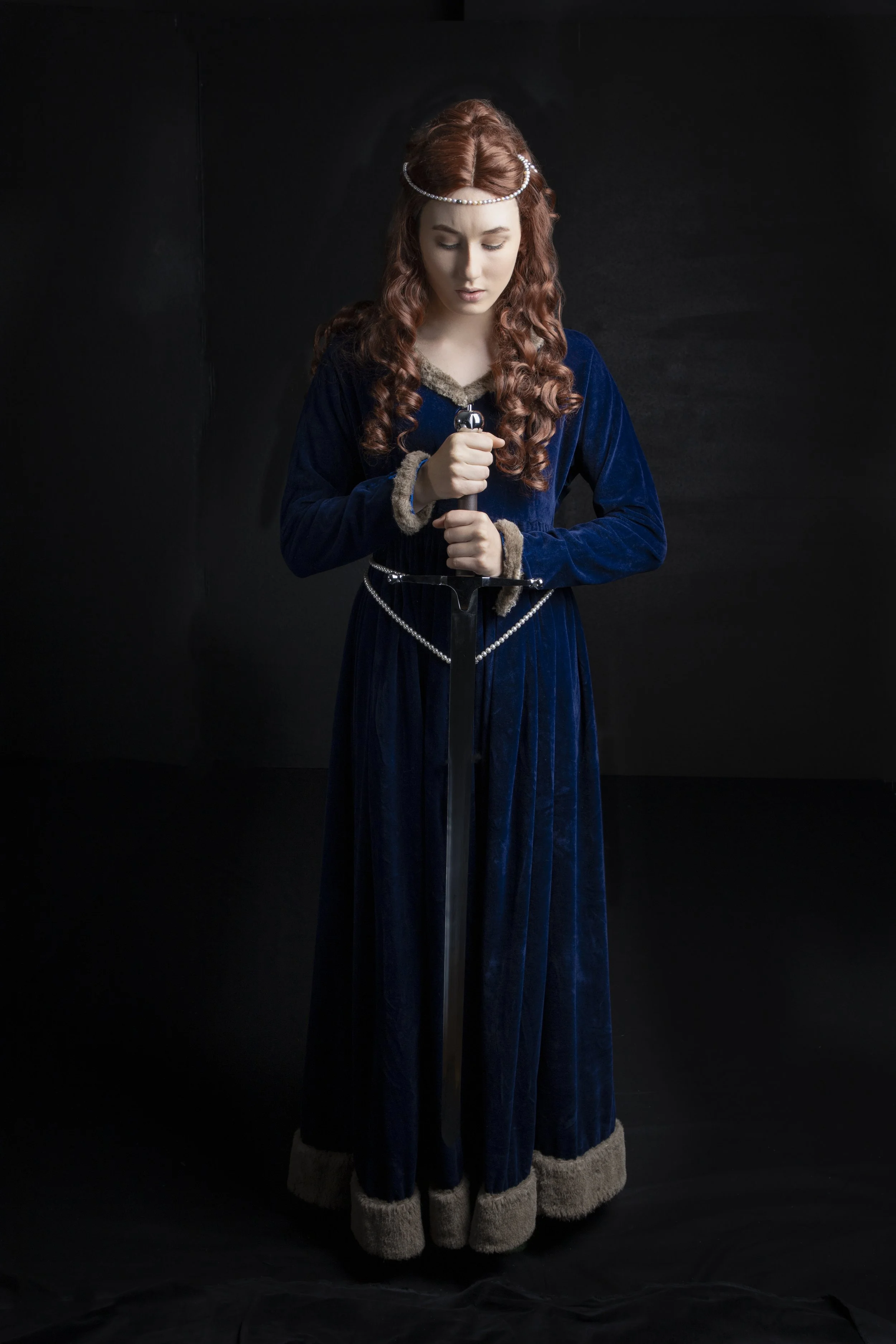
The Secret Is Out: The Heroine of Rachel’s Upcoming Novel is… Nicola de la Haye
My protagonist is Nicola (Nicholaa) de la Haye: the woman who saved England.
Nicola isn’t a creation of legend or folklore. She was real — a formidable 12th- and 13th-century noblewoman who defied the expectations of her age. She inherited power in her own right, commanded a castle garrison, and twice (at least) defended Lincoln Castle from siege.
Most famously, in 1217, when England teetered on the edge of conquest by Prince Louis of France, Nicola — then nearly seventy years old — refused to surrender her castle. She held the fortress until William Marshal’s army turned the tide in what chroniclers called the Battle of Lincoln Fair (or the Second Battle of Lincoln). Without her, England’s story might have ended very differently.

She Wasn’t Supposed to Matter…
She didn’t set out to defy anyone. She didn’t burn with ambition, or plot her way to power. She was young. She wanted love. She was raised to trust men to handle the weight of responsibility. And yet, by the time her story was done, she’d held command of one of England’s greatest castles, faced down rebellions, navigated the treachery and ambition of the marriage market, and made choices that shaped the future of a kingdom.

The Battle of Fornham: When a Countess Rode to War and Changed Medieval England Forever
In the mist-shrouded dawn of October 17, 1173, near the quiet Suffolk village of Fornham St. Genevieve, history was about to witness something remarkable. Not just another medieval battle between king and rebels, but the extraordinary tale of a countess who donned armor, took up lance and shield, and rode into battle alongside her husband against the Crown itself.
This is the story of Petronilla de Grandmesnil, Countess of Leicester – a woman whose courage would echo through the centuries, and whose fall into a muddy ditch would become one of the most memorable moments of medieval English warfare.