WELCOME TO RACHEL’S FICTION WRITING AND REVIEWS BLOG
This is where Rachel keeps you up to date with her novels and stories and also shares reviews, highlights and extracts from other authors.

Geoffrey de Mandeville – The Terror of Widows and Nuns
It was in the chaos of the Anarchy that one man carved out a reputation so dark that even in an age of violence, his name stood out: Geoffrey de Mandeville, Earl of Essex.
Geoffrey inherited immense lands and titles but he wanted even more, shifting loyalties between Stephen and Matilda whenever it suited him, extorting charters and privileges from both. When Stephen finally moved against him in 1143, Geoffrey unleashed a reign of terror across eastern England.
Chroniclers such as the Peterborough Chronicle and Orderic Vitalis described him as a robber baron, commanding brutal mercenaries who pillaged the countryside. Hardly chivalric, the man was a misogynist bully who preyed on the weak. For women, especially widows and nuns, he was the Devil’s own demon.
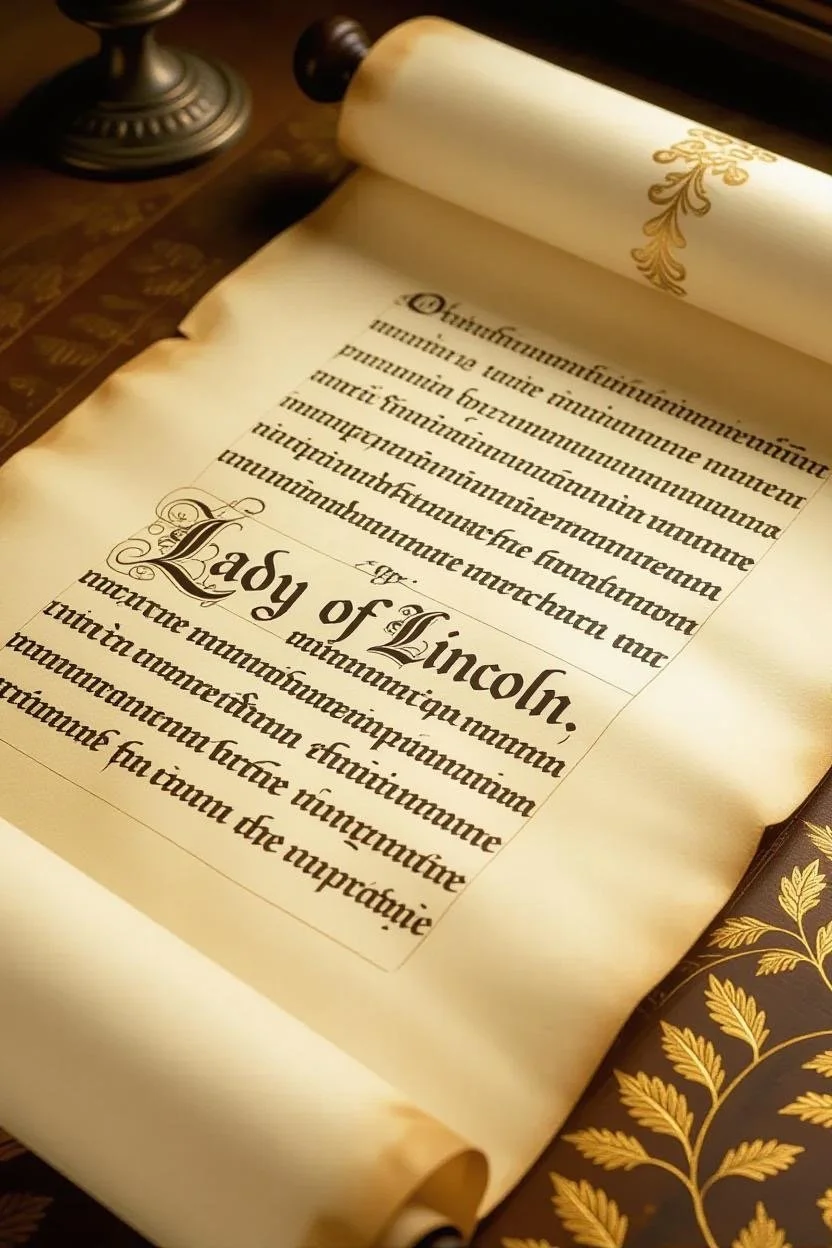
A Michaelmas Announcement: Lady of Lincoln
I am delighted to announce the title of my debut novel:
Lady of Lincoln: A Novel of Nicola de la Haye, a Woman Born to Lead in a Man’s World, a Medieval Heroine History Tried to Forget
This is Book One of my Nicola de la Haye Trilogy, based on the extraordinary life of the castellan of Lincoln—a woman who defied kings, commanded armies, and became one of the most remarkable heroines of medieval England.
The full back-cover blurb will be revealed later, but here’s a teaser glimpse:
Lady of Lincoln tells the true story of Nicola de la Haye, the young noblewoman who inherited Lincoln Castle, braved rebellion and betrayal, and fought to lead in a world that told her she could not.
On this Michaelmas, as the medieval year turned toward winter, I’m excited to turn a new page in sharing Nicola’s story with you.
Stay tuned for the cover reveal, official blurb, and more glimpses into the history behind the novel.

Novel Title Announcement on Michaelmas
In just one week, on Michaelmas (29 September), a day of great significance in the medieval world, I’ll be unveiling the title of my debut historical novel about the formative years of Nicola de la Haye, ‘The Woman who Saved England."‘
It’s a story of castles under siege, dangerous rebellions, and the woman history tried to silence… but who could not be erased.
Stay tuned for the title reveal!