WELCOME TO RACHEL’S FICTION WRITING AND REVIEWS BLOG
This is where Rachel keeps you up to date with her novels and stories and also shares reviews, highlights and extracts from other authors.

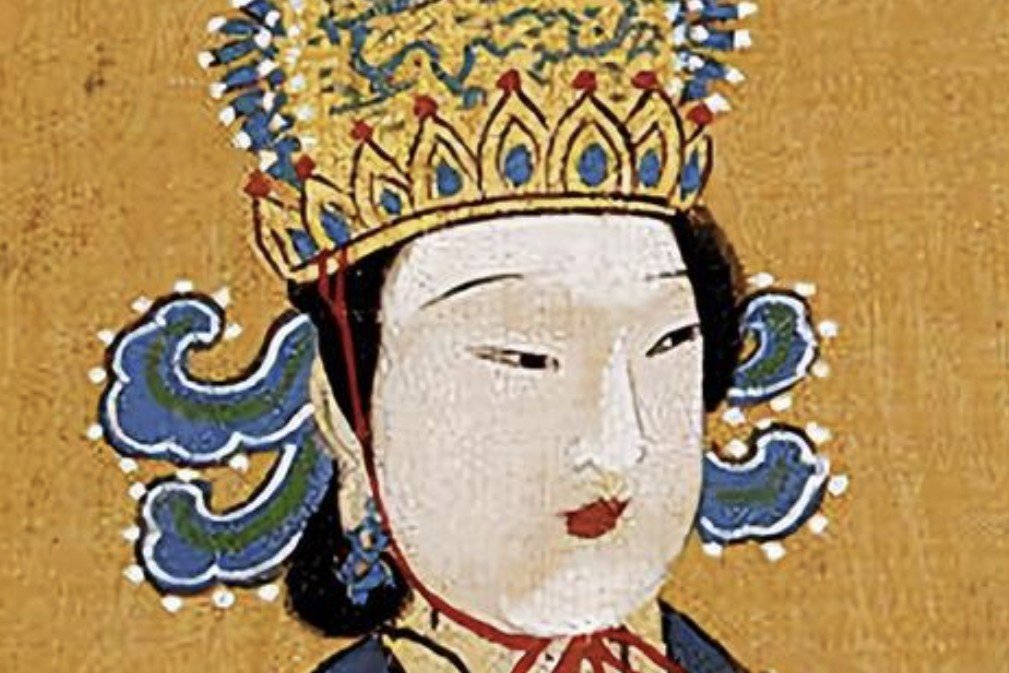
Wu Zetian: The Woman Who Ruled an Empire
When we think of medieval power, the mind rarely leaps to a woman occupying the highest throne in one of the world’s greatest empires. Yet in 7th-century China, one woman did precisely that. Wu Zetian (624–705 CE) rose from low-ranking concubine to become China’s only female emperor; not merely empress consort, nor regent, but sovereign ruler in her own right.
In a world shaped by Confucian ideals that explicitly declared women inferior and unfit for leadership, her ascent was nothing short of astonishing.
And like many powerful women in history, Wu Zetian has been remembered through a haze of scandal, propaganda, and deliberate distortion. It’s time to peel back the layers and re-examine the woman behind the legend.
From Concubine to Emperor: A Rise Unlike Any Other
Wu Zetian entered the palace of Emperor Taizong as a teenage concubine; one among hundreds, hardly expected to influence politics. After Taizong’s death she should, by custom, have been sent to a Buddhist convent. Instead, she returned to the palace of his successor, Emperor Gaozong, beginning her ascent through skill, cunning, and what later historians would call “unwomanly ambition.”
Smooth Operator
But ambition alone did not place her on the throne. She possessed a sharp intelligence and administrative brilliance; a talent for identifying capable officials, many of whom became her loyal supporters; and a capacity to counter, outmanoeuvre, or neutralise rival factions.
When Gaozong suffered debilitating strokes, Wu Zetian took charge of state affairs. After his death, she ruled first through her sons and eventually dispensed with that formality entirely, proclaiming her own dynasty: the Zhou, and naming herself Huangdi, the imperial title previously reserved for male rulers.

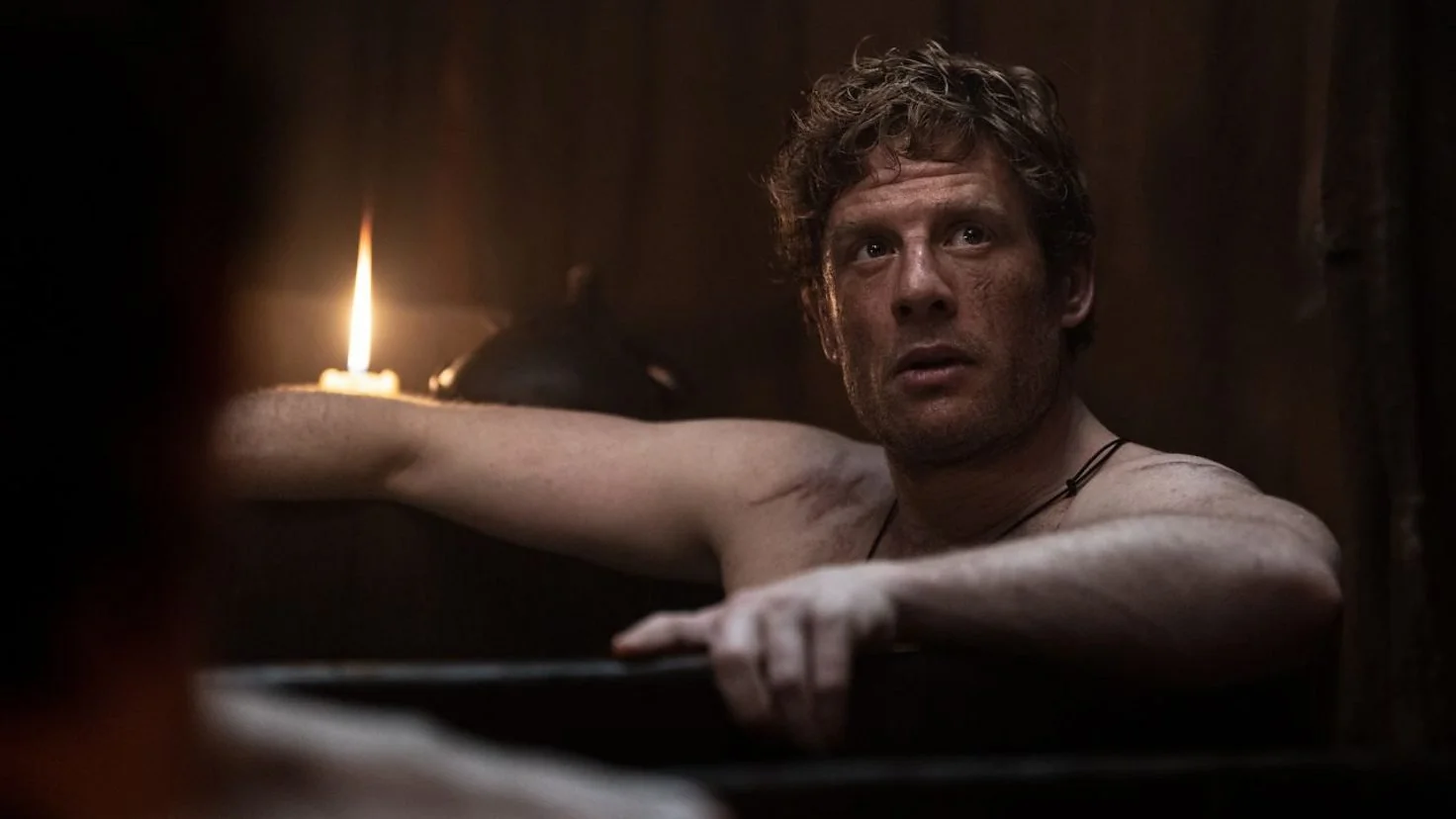
‘King and Conqueror’: How much truth-stretching is acceptable?
Welcome back to another Medieval Monday blog. After several posts dissecting the lead up to the Great Rebellion of 1173-4, today I’m switching focus to another seismic moment in English history: the Norman Conquest of England, as reimagined in the TV programme King & Conqueror.
The show has stirred plenty of excitement, and equally as much critique, about just how faithful a retelling it is. Because of that, I was loathe to watch it, but now I have, and here’s my view.
In short: yes, it draws on real events, but takes dramatic licence freely. The question is: when storytelling trumps scholarship, how much is too much?

Lady of Lincoln Awarded the Prestigious BlueInk ‘Notable Book’ Seal!
I’m delighted to share some wonderful news:
Lady of Lincoln has been awarded the BlueInk Notable Book Seal — an honour reserved for a very small number of books judged to be of exceptional merit.
BlueInk Review is one of the publishing industry’s most respected editorial review services, created by professional critics and editors who have written for outlets such as Publishers Weekly, Kirkus, and major newspapers.
The Notable Book Seal is BlueInk’s highest distinction, highlighting titles that stand out for their literary quality, authenticity, and craftsmanship. Fewer than five percent of submissions receive this accolade.
Here’s some of what the reviewer wrote about Lady of Lincoln:
“Joyce’s rich characterization unfolds against a vivid, meticulously researched historical backdrop… a gripping account of courage amid the brutal realities of civil war.”
For a historical novel rooted in the real life of Nicola de la Haye, England’s indomitable Lady of Lincoln Castle, this accolade is deeply meaningful. It celebrates not only the countless hours of research and writing but also the historical women who refused to be forgotten.