WELCOME TO RACHEL’S BLOG

Scroll down to see the most recent posts, or use the search bar to find previous blogs, news, and other updates

Medieval Stories
Feasts, Folklore & Boar: A Medieval Christmas with a Dash of Wild Hunt Magic

Feasts, Folklore & Boar: A Medieval Christmas with a Dash of Wild Hunt Magic

Christmas is coming; and if you think today’s festive spread is decadent, just imagine what a medieval English banquet looked like! Long before turkeys were discovered in America, people from monks to monarchs gathered round a banquet table groaning with pies, ale, spiced wine, and one very impressive centrepiece: the boar’s head.

Read More
Wu Zetian: The Woman Who Ruled an Empire
Forgotten Women of History, Historical Fiction Rachel Elwiss Joyce Forgotten Women of History, Historical Fiction Rachel Elwiss Joyce

Wu Zetian: The Woman Who Ruled an Empire

When we think of medieval power, the mind rarely leaps to a woman occupying the highest throne in one of the world’s greatest empires. Yet in 7th-century China, one woman did precisely that. Wu Zetian (624–705 CE) rose from low-ranking concubine to become China’s only female emperor; not merely empress consort, nor regent, but sovereign ruler in her own right.

In a world shaped by Confucian ideals that explicitly declared women inferior and unfit for leadership, her ascent was nothing short of astonishing.

And like many powerful women in history, Wu Zetian has been remembered through a haze of scandal, propaganda, and deliberate distortion. It’s time to peel back the layers and re-examine the woman behind the legend.

From Concubine to Emperor: A Rise Unlike Any Other

Wu Zetian entered the palace of Emperor Taizong as a teenage concubine; one among hundreds, hardly expected to influence politics. After Taizong’s death she should, by custom, have been sent to a Buddhist convent. Instead, she returned to the palace of his successor, Emperor Gaozong, beginning her ascent through skill, cunning, and what later historians would call “unwomanly ambition.”

Smooth Operator

But ambition alone did not place her on the throne. She possessed a sharp intelligence and administrative brilliance; a talent for identifying capable officials, many of whom became her loyal supporters; and a capacity to counter, outmanoeuvre, or neutralise rival factions.

When Gaozong suffered debilitating strokes, Wu Zetian took charge of state affairs. After his death, she ruled first through her sons and eventually dispensed with that formality entirely, proclaiming her own dynasty: the Zhou, and naming herself Huangdi, the imperial title previously reserved for male rulers.

Read More
Finalist in Book of the Year! 🥳

Finalist in Book of the Year! 🥳

I was overwhelmed last night to receive this surprise email:

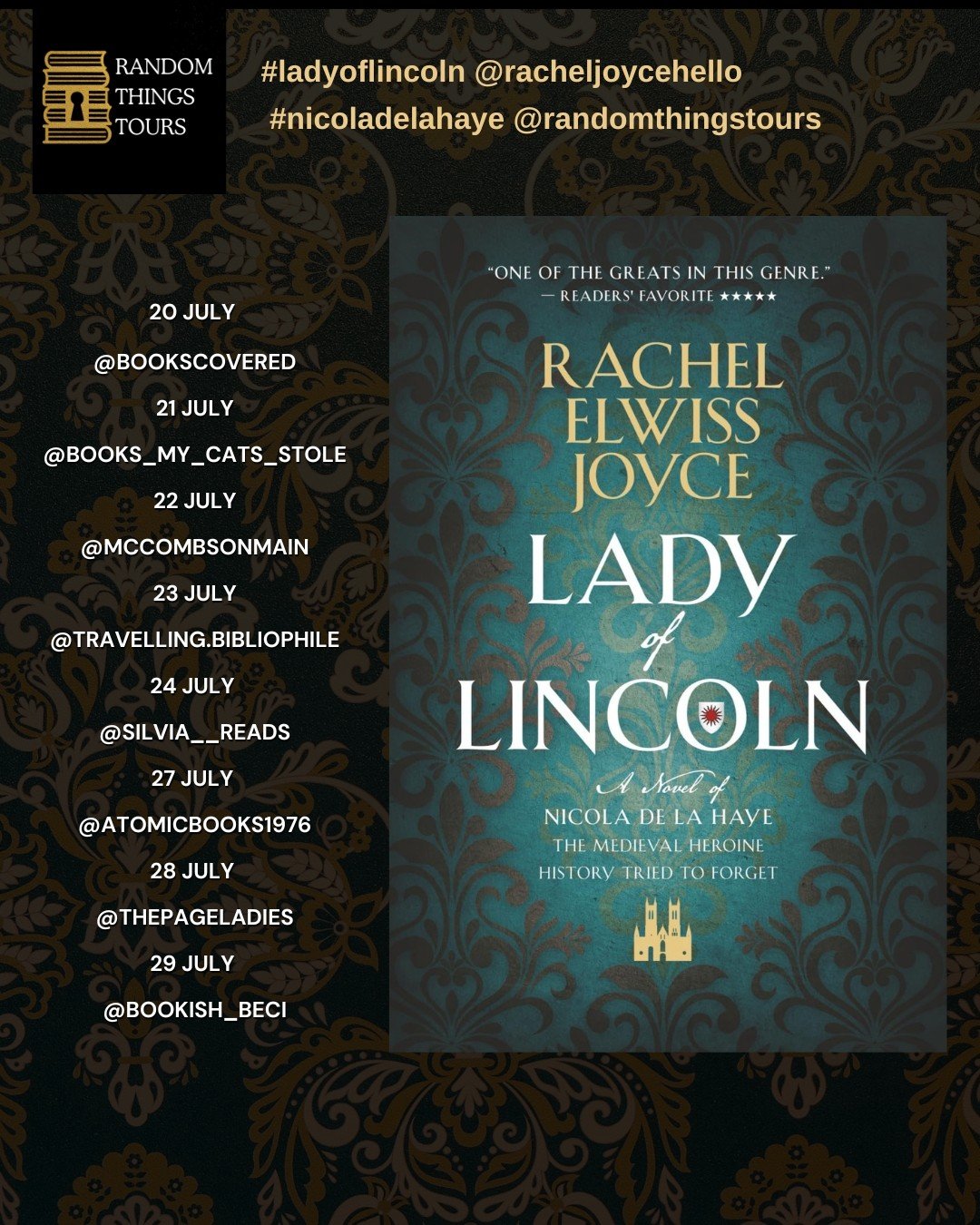
“I am pleased to announce that your book, Lady of Lincoln, is a Finalist in The Coffee Pot Book Club Book Of The Year Awards 2025.”

Lady of Lincoln is a finalist for Book of the Year Award with the Coffee Pot Book Club

I’m overjoyed and delighted. 🎊🎊🎊🎊🥂🥂🥂🥳🥳🥳

In particular, I’m so pleased that Nicola (Nicholaa) de la Haye’s story is gaining recognition! 🏰

Read More
Medieval Misogyny: Five Men Who Made Women’s Lives Miserable

Medieval Misogyny: Five Men Who Made Women’s Lives Miserable

This blog series uncovers the darker side of 12th-century power: the men whose actions towards women were so cruel that even their contemporaries condemned them.

Read More
The Battle of Fornham: When a Countess Rode to War and Changed Medieval England Forever

The Battle of Fornham: When a Countess Rode to War and Changed Medieval England Forever

In the mist-shrouded dawn of October 17, 1173, near the quiet Suffolk village of Fornham St. Genevieve, history was about to witness something remarkable. Not just another medieval battle between king and rebels, but the extraordinary tale of a countess who donned armor, took up lance and shield, and rode into battle alongside her husband against the Crown itself.

This is the story of Petronilla de Grandmesnil, Countess of Leicester – a woman whose courage would echo through the centuries, and whose fall into a muddy ditch would become one of the most memorable moments of medieval English warfare.

Read More