Capons, Cocks and Hens: Keeping Chickens in Medieval England
If you were a chicken in medieval England, the worst thing you could be was male
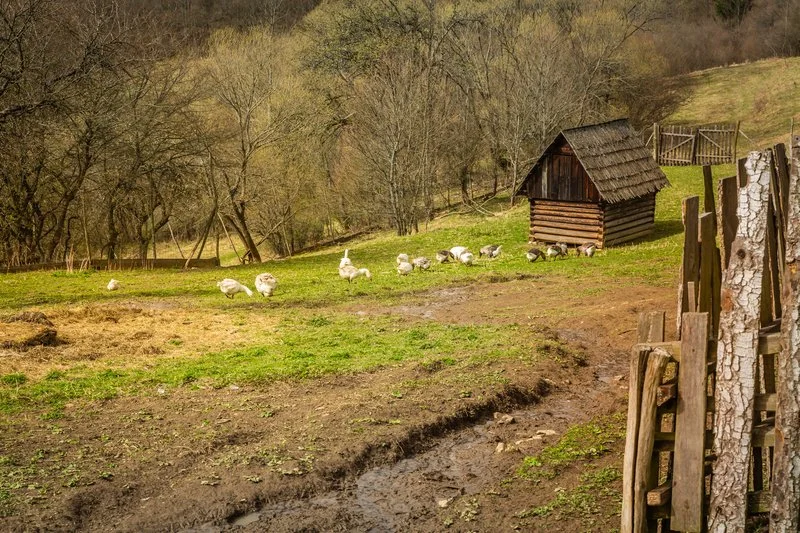
We tend to picture the medieval farmyard as gently pastoral: hens scratching contentedly around the cottage, a cockerel crowing at dawn. That picture isn't wrong, exactly, it's just missing most of the story. Because from the moment a male chick hatched, the farmyard had already decided he was a problem to be solved: too many mouths, too much aggression, not enough usefulness. What happened to him next ranged from a quick death to a surgeon's knife to, for a smaller number, a fighting pit.
This is the story of the medieval chicken — hens, capons and cocks alike — but it's the males whose fate deserves the closer look.
Willikin of the Weald: Was He the Real Inspiration for Robin Hood?
In my previous historical post, I looked at William de Wenneval, the Sheriff of Nottinghamshire and Derbyshire during the years when Richard the Lionheart was absent on crusade and then held captive in Germany.
Wenneval was one of the men who controlled Nottingham Castle while Prince John was plotting against his brother. That does not make him the Sheriff of Nottingham from the Robin Hood stories, but it places a real royal official in the right position, in the right place and at the right moment to have contributed something to the legend.
But what about Robin Hood himself?
There have been many attempts to identify a historical man behind the famous outlaw. One of the most intriguing candidates lived not in Sherwood Forest, but in the wooded country of Kent and Sussex. His name was William of Cassingham, although he became better known as Willikin of the Weald.
Unlike Robin Hood, Willikin was unquestionably real.
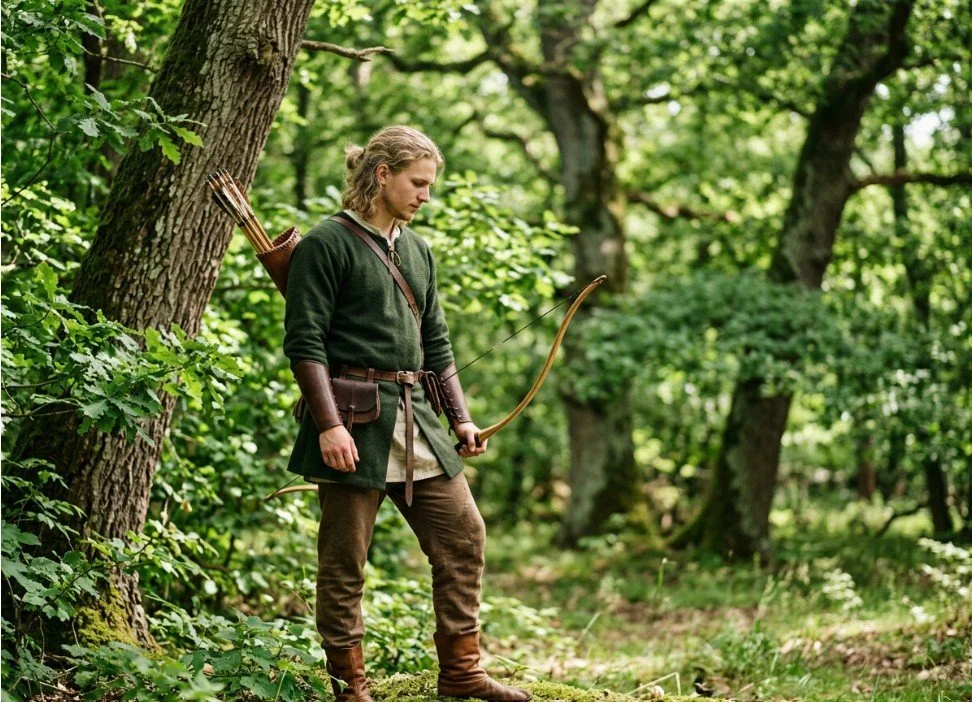
He was an archer and local fighting man who gathered a company in the forests, attacked occupying troops from ambush and became a hero to the communities around him. He fought during the reign of King John and was praised by medieval chroniclers for resisting England’s enemies when much of the south-east had submitted to them.
It sounds remarkably familiar.
So could Willikin of the Weald have helped inspire the legend of Robin Hood?
The Real Sheriff of Nottingham?
Every Robin Hood story needs its villain, and for centuries that villain has worn one title above all others: the Sheriff of Nottingham. Cruel, greedy, complicit in every injustice done to the poor of Sherwood while good King Richard bled for Christendom on crusade and wicked Prince John schemed at home. It's one of the most durable double acts in English folklore.
But strip away the ballads and pantomime, and the officeholders behind that legendary title were real men, doing a real and often thankless job. One of the strongest candidates for the historical figure behind the "bad" sheriff of the Robin Hood tales is a man called William de Wenneval (his name also appears as Wendenal, Wendeval, or Wendenall, depending on which chronicle or charter you're reading: spelling in the 1190s was a moving target). He is a minor figure in the great chronicles, mentioned only in passing by Roger of Howden.
But the little that survives of his story is enough to suggest he paid an appalling price for his loyalty.
What really burned at York Castle in 1190?
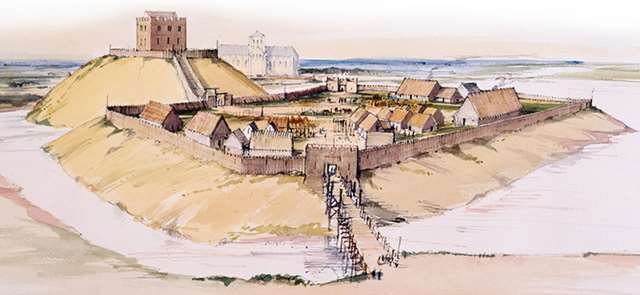
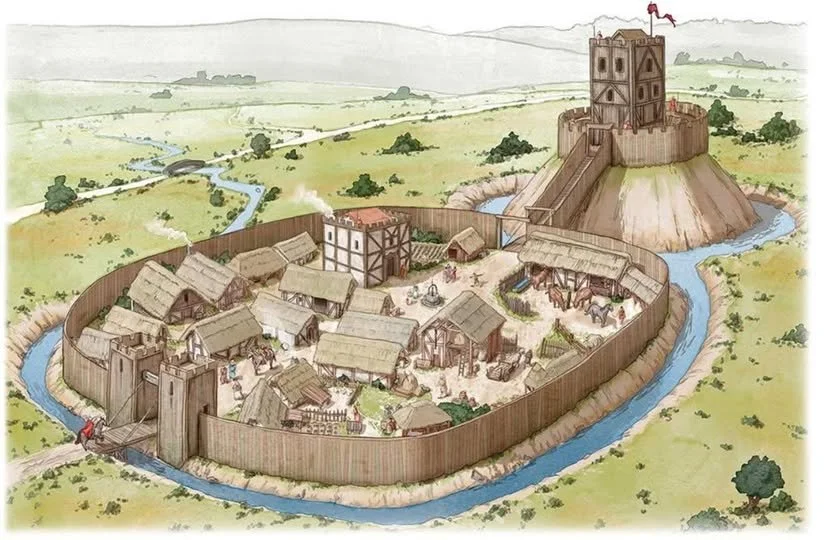
York Castle in 1190 was a large motte-and-bailey complex, not merely a tower. The Jewish community was trapped in the inner stronghold on the motte. Although this is usually reconstructed as wholly wooden, William of Newburgh’s account of stones removed from an inner wall may indicate a stone shell keep containing timber buildings.
Lincoln's Lost Castle: The Rise and Fall of Thorngate
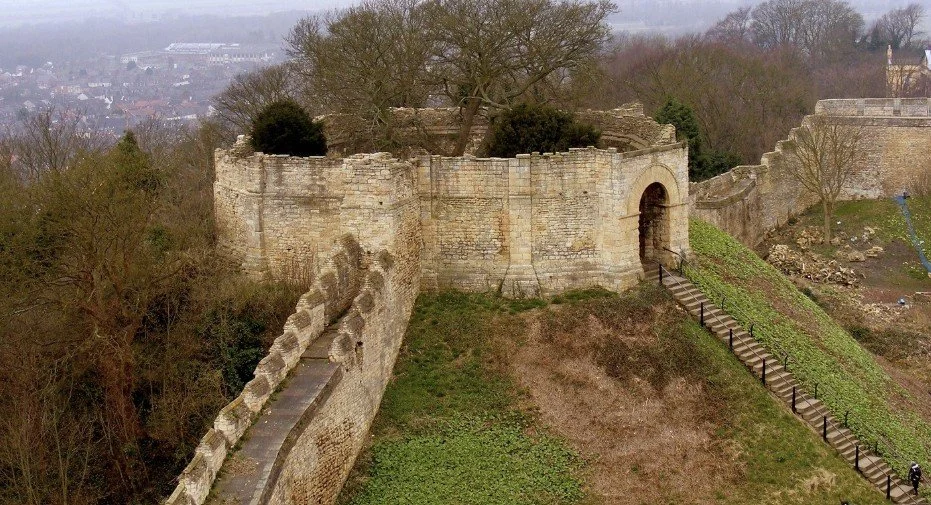
Everyone who climbs Steep Hill in Lincoln has seen Lincoln Castle. It stands where William the Conqueror planted it in 1068, high on the old Roman upper city, its twin mottes and curtain wall commanding the whole plain. It is one of the best-preserved castles in England, and it still does the Crown's work — the Crown Court sits there to this day.
Almost nobody knows that Lincoln once had a second castle.
Down by the river, at the vulnerable (from a defensive point of view) south-eastern corner of the lower city, there stood for perhaps two or three generations a fortress called Thorngate Castle — castellum de Tornegat. It was not royal like Lincoln Castle (which at one time housed the sheriff, the constable/ castellan, and the bishop). Thorngate belonged to a family, held in their own right, and it existed in a state of quiet tension with the great royal castle on the hill. And then, in the space of a decade, it was pledged away as a bargaining chip in a civil war and demolished so completely that today we cannot even say for certain where it stood.
This is the story of that lost castle: of the family who held it, the war that consumed it, the forced marriages and shifting loyalties tangled around it, and the arguments that still divide historians about where it was and who really controlled it. It is, in miniature, the story of the whole terrible period we call ‘the Anarchy’ — and, as so often, it is a story with a woman at its centre whom history has almost entirely forgotten.
Lucy of Bolingbroke: The Woman Behind Lincoln Castle's Lucy Tower
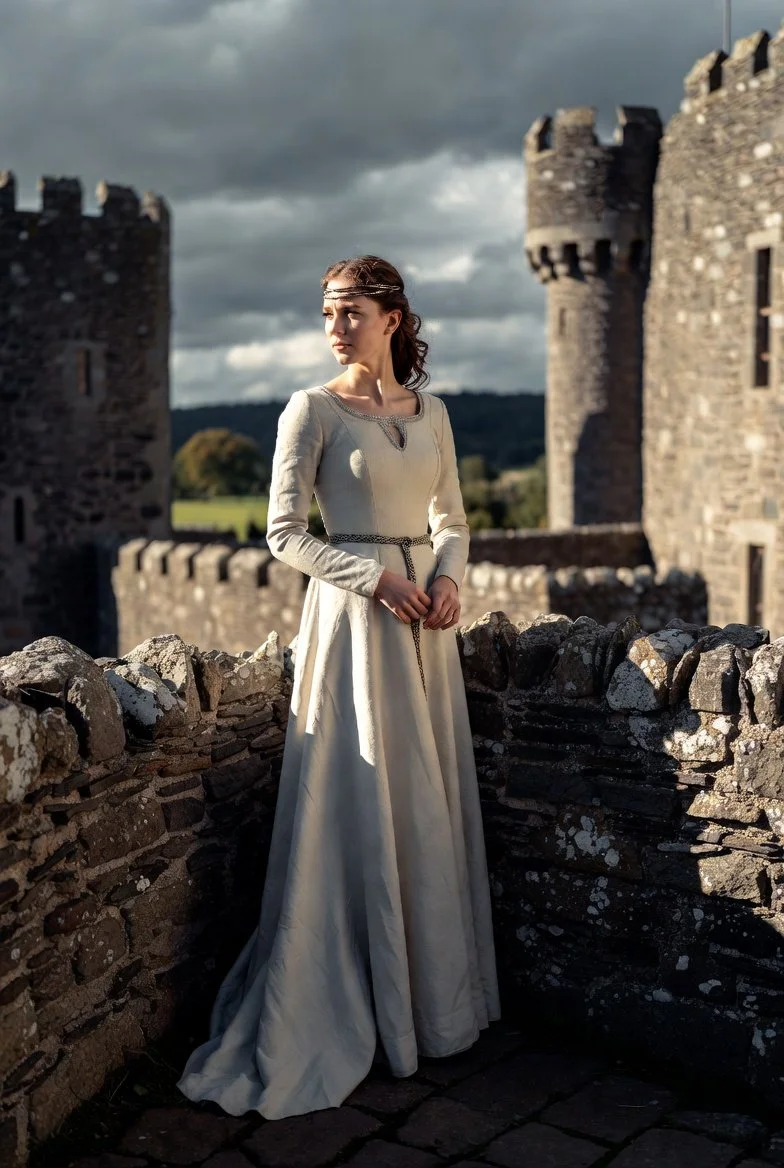
She paid a king five hundred marks for the right to be left alone. She outlived three husbands, presided over one of the most strategically significant castles in England, and left such an indelible mark on Lincoln Castle that a tower still bears her name nine centuries later. Yet Lucy of Bolingbroke remains one of the least-known powerful women of the Norman era – overshadowed, perhaps, by the very castle she helped to shape.
Today, I’m bringing this important but forgotten woman back into the light (as much as I can).
Muriel of Lincoln
Nicola de la Haye held Lincoln Castle against a French siege and saved England, and everyone remembers her name.
Almost no one remembers her grandmother.
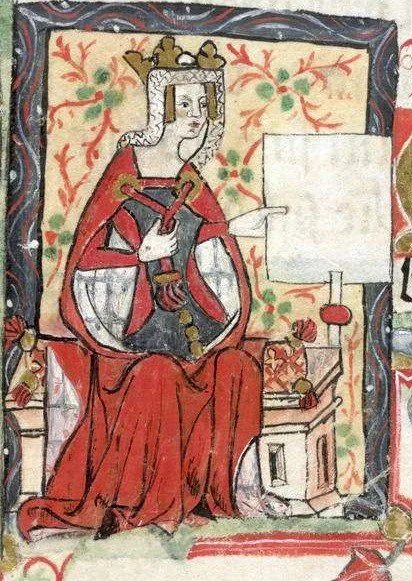
Muriel of Lincoln didn't lead armies or defy kings in any spectacular fashion, but without her calculated survival and strategic positioning, there would be no Nicola, no legend, no castle defense that changed the course of English history.
This is the story of the invisible foundation upon which greatness was built.
Why the Plantenet Angevins Ruled Half of Europe
When most people think of medieval kings, we generally think of one monarch, one kingdom, and then the people below him.. But Henry II of England—first of the Angevin kings—was no ordinary ruler. By the 1170s, he commanded more territory than any other monarch in Christendom, stretching from the wild hills of Northumberland to the sunlit vineyards of Aquitaine. He was king in only England—he was the Norman and Aquitainian duke, the count of Anjou, Touraine, and Maine. But is was all his dominion, and it was so vast that chroniclers called it an “empire,” though it was stitched together by marriage, inheritance, and sheer force of will.
So how did a French count’s son come to rule half of Europe?
Bloodbath at the Lionheart’s Coronation
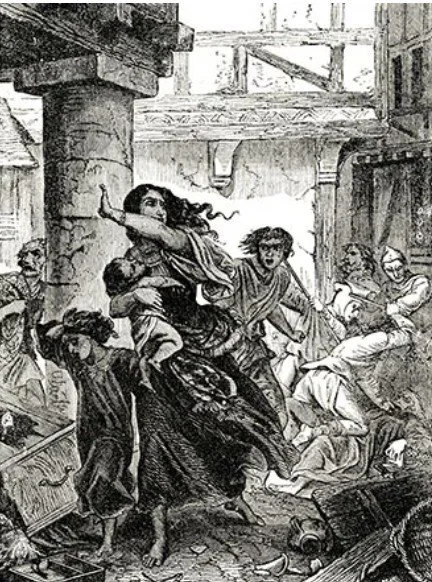
We remember Richard the Lionheart as a crusader king, a warrior who fought Saladin, and whose name resounded across Christendom. But for England’s Jews, his reign began in fire and betrayal.
Benedict of York’s story embodies that betrayal. Beaten at the doors of Westminster Hall, baptised by a friend who meant him no harm, denied even a grave among his people, his fate symbolises the peril of being both essential and despised in medieval England.
The Battle of Fornham: When a Countess Rode to War and Changed Medieval England Forever
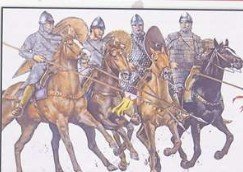
In the mist-shrouded dawn of October 17, 1173, near the quiet Suffolk village of Fornham St. Genevieve, history was about to witness something remarkable. Not just another medieval battle between king and rebels, but the extraordinary tale of a countess who donned armor, took up lance and shield, and rode into battle alongside her husband against the Crown itself.
This is the story of Petronilla de Grandmesnil, Countess of Leicester – a woman whose courage would echo through the centuries, and whose fall into a muddy ditch would become one of the most memorable moments of medieval English warfare.

What Languages Did Jews Speak in Medieval England?
In twelfth-century England, Jewish communities lived in a world of many languages: Hebrew for prayer and scholarship, Anglo-Norman French for daily life and business, early Yiddish among German-origin Jews, and Middle English among their neighbours. Here’s how that multilingual world shaped the Jewish characters in Lady of the Castle.
-
12th Century
- 11 Aug 2026 Matthew of Boulogne: The Count Who Kidnapped a Nun 11 Aug 2026
-
All Hallow Tide
- 12 Aug 2026 All Souls’ Day: Soul Cakes, Prayer and Memory 12 Aug 2026
-
All Hallows Eve
- 12 Aug 2026 All Hallows’ Eve: The Vigil of the Departed 12 Aug 2026
-
Angevin Empire
- 12 Aug 2026 Eleanor of Aquitaine: Queen, Duchess, and Mother of Rebels 12 Aug 2026
- 11 Aug 2026 Princes Without Power: Why Henry the Young King Rebelled 11 Aug 2026
- 11 Aug 2026 Geoffrey of Anjou: The Handsome Count Who Founded the Plantagenet Dynasty (Died 7th September 1151) 11 Aug 2026
-
Autumn
- 12 Aug 2026 Lanterns and Mischief: From Samhain Fires to Punkie Night 12 Aug 2026
-
Christianity
- 12 Aug 2026 All Souls’ Day: Soul Cakes, Prayer and Memory 12 Aug 2026
- 12 Aug 2026 All Hallows’ Eve: The Vigil of the Departed 12 Aug 2026
- 12 Aug 2026 Lanterns and Mischief: From Samhain Fires to Punkie Night 12 Aug 2026
- 12 Aug 2026 What Is Allhallowtide? The Three Days of the Dead… 12 Aug 2026
-
Faith Magic and Belief
- 27 Jul 2026 What really burned at York Castle in 1190? 27 Jul 2026
- 22 Jun 2026 Bloodbath at the Lionheart’s Coronation 22 Jun 2026
-
Festivals
- 12 Aug 2026 What Is Allhallowtide? The Three Days of the Dead… 12 Aug 2026
-
Folklore
- 12 Aug 2026 All Souls’ Day: Soul Cakes, Prayer and Memory 12 Aug 2026
- 12 Aug 2026 All Hallows’ Day: The Feast of All Saints 12 Aug 2026
- 12 Aug 2026 All Hallows’ Eve: The Vigil of the Departed 12 Aug 2026
- 12 Aug 2026 Lanterns and Mischief: From Samhain Fires to Punkie Night 12 Aug 2026
- 12 Aug 2026 What Is Allhallowtide? The Three Days of the Dead… 12 Aug 2026
-
Forgotten Women of History
- 12 Aug 2026 Zipporah, the Wife of Moses 12 Aug 2026
-
Great Rebellion 1173-4
- 12 Aug 2026 Reginald FitzUrse: The Bear Knight Who Slayed a Saint 12 Aug 2026
- 12 Aug 2026 The Shadow of Becket: How a Murder Shook the Kingdom 12 Aug 2026
- 12 Aug 2026 Eleanor of Aquitaine: Queen, Duchess, and Mother of Rebels 12 Aug 2026
- 12 Aug 2026 Henry II of England – The Jailer of Queens 12 Aug 2026
- 11 Aug 2026 Princes Without Power: Why Henry the Young King Rebelled 11 Aug 2026
-
Halloween
- 12 Aug 2026 All Souls’ Day: Soul Cakes, Prayer and Memory 12 Aug 2026
- 12 Aug 2026 All Hallows’ Day: The Feast of All Saints 12 Aug 2026
- 12 Aug 2026 All Hallows’ Eve: The Vigil of the Departed 12 Aug 2026
-
Henry II
- 12 Aug 2026 Reginald FitzUrse: The Bear Knight Who Slayed a Saint 12 Aug 2026
-
Henry the Young King
- 11 Aug 2026 Princes Without Power: Why Henry the Young King Rebelled 11 Aug 2026
-
Historical Fiction
- 12 Aug 2026 Zipporah, the Wife of Moses 12 Aug 2026
- 12 Aug 2026 The Revenant of Hereford: Walter Map’s Medieval Walking Dead 12 Aug 2026
-
Medieval England
- 11 Aug 2026 Geoffrey de Mandeville – The Terror of Widows and Nuns 11 Aug 2026
- 11 Aug 2026 Geoffrey of Anjou: The Handsome Count Who Founded the Plantagenet Dynasty (Died 7th September 1151) 11 Aug 2026
-
Medieval England and Angevin Empire
- 17 Aug 2026 Capons, Cocks and Hens: Keeping Chickens in Medieval England 17 Aug 2026
- 10 Aug 2026 Willikin of the Weald: Was He the Real Inspiration for Robin Hood? 10 Aug 2026
- 3 Aug 2026 The Real Sheriff of Nottingham? 3 Aug 2026
- 27 Jul 2026 What really burned at York Castle in 1190? 27 Jul 2026
- 6 Jul 2026 Lincoln's Lost Castle: The Rise and Fall of Thorngate 6 Jul 2026
- 3 Jul 2026 Lucy of Bolingbroke: The Woman Behind Lincoln Castle's Lucy Tower 3 Jul 2026
- 3 Jul 2026 Muriel of Lincoln 3 Jul 2026
- 23 Jun 2026 Why the Plantenet Angevins Ruled Half of Europe 23 Jun 2026
- 22 Jun 2026 Bloodbath at the Lionheart’s Coronation 22 Jun 2026
- 22 Jun 2026 The Battle of Fornham: When a Countess Rode to War and Changed Medieval England Forever 22 Jun 2026
- 22 Jun 2026 What Languages Did Jews Speak in Medieval England? 22 Jun 2026
-
Medieval Festivals
- 12 Aug 2026 All Hallows’ Day: The Feast of All Saints 12 Aug 2026
-
Medieval Fiction
- 12 Aug 2026 The Revenant of Hereford: Walter Map’s Medieval Walking Dead 12 Aug 2026
-
Medieval France
- 11 Aug 2026 Philippe II (Augustus) of France Humiliated Queen Ingeborg 11 Aug 2026
- 10 Aug 2026 Willikin of the Weald: Was He the Real Inspiration for Robin Hood? 10 Aug 2026
-
Medieval Jews
- 27 Jul 2026 What really burned at York Castle in 1190? 27 Jul 2026
- 22 Jun 2026 Bloodbath at the Lionheart’s Coronation 22 Jun 2026
- 22 Jun 2026 What Languages Did Jews Speak in Medieval England? 22 Jun 2026
-
Medieval Men
- 12 Aug 2026 The Revenant of Hereford: Walter Map’s Medieval Walking Dead 12 Aug 2026
-
Medieval Misogyny
- 12 Aug 2026 Henry II of England – The Jailer of Queens 12 Aug 2026
- 11 Aug 2026 Geoffrey de Mandeville – The Terror of Widows and Nuns 11 Aug 2026
- 11 Aug 2026 Philippe II (Augustus) of France Humiliated Queen Ingeborg 11 Aug 2026
- 11 Aug 2026 Fulk V of Anjou: the King Who Beat His Queen 11 Aug 2026
- 11 Aug 2026 Matthew of Boulogne: The Count Who Kidnapped a Nun 11 Aug 2026
-
Medieval Villains
- 12 Aug 2026 Henry II of England – The Jailer of Queens 12 Aug 2026
- 11 Aug 2026 Philippe II (Augustus) of France Humiliated Queen Ingeborg 11 Aug 2026
- 11 Aug 2026 Fulk V of Anjou: the King Who Beat His Queen 11 Aug 2026
- 11 Aug 2026 Matthew of Boulogne: The Count Who Kidnapped a Nun 11 Aug 2026
-
Medieval Women
- 11 Aug 2026 Philippe II (Augustus) of France Humiliated Queen Ingeborg 11 Aug 2026
- 11 Aug 2026 Fulk V of Anjou: the King Who Beat His Queen 11 Aug 2026
- 11 Aug 2026 Matthew of Boulogne: The Count Who Kidnapped a Nun 11 Aug 2026
- 11 Aug 2026 Geoffrey of Anjou: The Handsome Count Who Founded the Plantagenet Dynasty (Died 7th September 1151) 11 Aug 2026
-
Paganism
- 12 Aug 2026 All Souls’ Day: Soul Cakes, Prayer and Memory 12 Aug 2026
- 12 Aug 2026 All Hallows’ Eve: The Vigil of the Departed 12 Aug 2026
- 12 Aug 2026 Lanterns and Mischief: From Samhain Fires to Punkie Night 12 Aug 2026
- 12 Aug 2026 What Is Allhallowtide? The Three Days of the Dead… 12 Aug 2026
-
Plantagenets
- 12 Aug 2026 Eleanor of Aquitaine: Queen, Duchess, and Mother of Rebels 12 Aug 2026
- 11 Aug 2026 Geoffrey of Anjou: The Handsome Count Who Founded the Plantagenet Dynasty (Died 7th September 1151) 11 Aug 2026
-
Religion
- 12 Aug 2026 The Revenant of Hereford: Walter Map’s Medieval Walking Dead 12 Aug 2026
- 12 Aug 2026 What Is Allhallowtide? The Three Days of the Dead… 12 Aug 2026
-
Saxon England
- 3 Jul 2026 Muriel of Lincoln 3 Jul 2026
-
Superstition
- 12 Aug 2026 The Revenant of Hereford: Walter Map’s Medieval Walking Dead 12 Aug 2026
-
Thomas Becket
- 12 Aug 2026 Reginald FitzUrse: The Bear Knight Who Slayed a Saint 12 Aug 2026
- 12 Aug 2026 The Shadow of Becket: How a Murder Shook the Kingdom 12 Aug 2026
-
Women in History
- 3 Jul 2026 Lucy of Bolingbroke: The Woman Behind Lincoln Castle's Lucy Tower 3 Jul 2026
- 3 Jul 2026 Muriel of Lincoln 3 Jul 2026
- 1173-4 Great Rebellion
- 12th Century
- Adeliza de Meschines
- All Hallow Tide
- All Hallow's Eve
- Angevin Empire
- Becket's murder 1170
- Benedict of York
- Cantebury Cathedral Murder
- Canterbury Cathedral
- Christianity
- Clifford's Tower
- Coronation
- Countess of Chester
- Days of the Dead
- Death Rituals
- Earl of Leicester
- Eleanor of Aquitaine
- Eleanor of Aquitane Imprisonment
- England
- English civil war
- Faith and Folklore
- Falkes de Breaute
- female warriors
- Folklore
- Forgotten Women
- French Invasion 1216-17
- Geoffrey of Anjou
- Geoffrey of Mandeville
- Halloween
- Halloween History
- Henry II
- Henry II and Becket conflict
- Henry the Young King
- HerStory
- Historical Fiction
- Jack O' Lanterns
- Jews of York massacre
- King John
- Lady of Lincoln
- Lady of Lincoln Novel
- Lady of the Castle
- Lincoln Castle history
- Lincoln Lincolnshire
- lost castles England
- Lucy of Bolingbroke
- Magna Carta
- Massacre
- Medieval
- Medieval Convents Attacked
- Medieval Domestic Abuse
- Medieval England
- Medieval England and France
- Medieval France
- Medieval historical fiction
- Medieval History Blog
- Medieval Jews
- Medieval Marriages
- Medieval Misogyny
- medieval noblewomen
- Medieval Queens Imprisoned
- Medieval Villains
- medieval women
- Medieval Women's Resilience
- Misogyny in the Middle Ages
- Muriel of Lincoln
- Nicola de la Haye
- Norman Conquest
- Norman Invasion
- Nottingham Castle
- Outlaws
- Paganism
- Plantagenet dynasty
- Plantagenet kings
- Purgatory
- Ralph de la Haye
- Revenants
- Revolt of the Eaglets
- Richard de la Haye
- Richard the Lionheart
- Robber Barons
- Robert de Beaumont
- Robert de Condet Thorngate
- Robin Hood real person
- Samhain
- Soul Cakes
- Souling
- Spirit World
- The Anarchy
- The Three Days of the Dead
- Thomas Becket
- Thomas Becket Murder
- was Clifford’s Tower wooden
- Waterside North Broadgate history
- Why did Henry the Young King Rebel
- WIllikin of the Weald
- Women in History
- Yiddish
- Zipporah
- Zombies