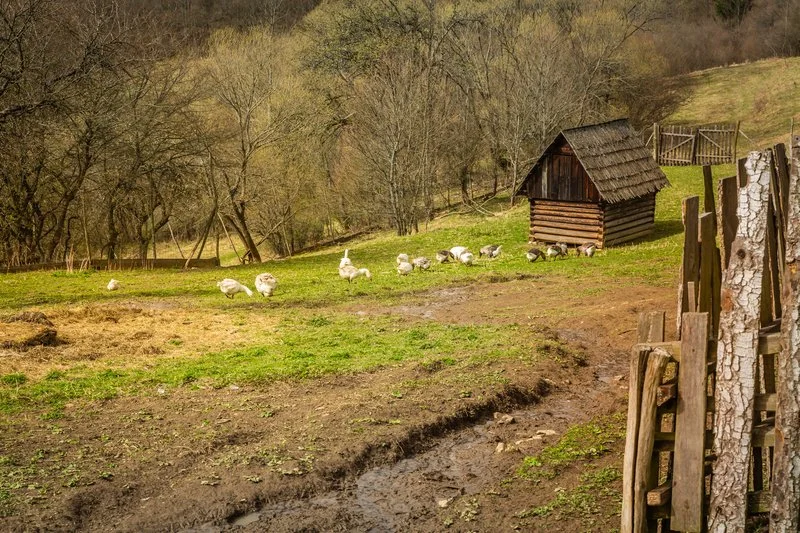
Capons, Cocks and Hens: Keeping Chickens in Medieval England
If you were a chicken in medieval England, the worst thing you could be was male
We tend to picture the medieval farmyard as gently pastoral: hens scratching contentedly around the cottage, a cockerel crowing at dawn. That picture isn't wrong, exactly, it's just missing most of the story. Because from the moment a male chick hatched, the farmyard had already decided he was a problem to be solved: too many mouths, too much aggression, not enough usefulness. What happened to him next ranged from a quick death to a surgeon's knife to, for a smaller number, a fighting pit.
This is the story of the medieval chicken — hens, capons and cocks alike — but it's the males whose fate deserves the closer look.

All Souls’ Day: Soul Cakes, Prayer and Memory
s the bells of All Saints’ Day fall silent, a gentler sound takes their place: the slow, measured knell for the departed.
2 November, All Souls’ Day, was the moment when the living turned their hearts toward those of the departed, the ordinary people, not the saints, who still journeyed through Purgatory.
The season of light ended not in mourning, but in the hope that love and prayer could reach beyond the grave.
Origins and Etymology
The word soul comes from Old English sawol, “the spiritual essence of a person.”
The “Mass of Souls,” or Soul Mass Day, was first proclaimed in 998 AD by Abbot Odilo of Cluny. He ordered that every monastery in his order should celebrate a Mass for “all the faithful departed.” From Cluny, the custom spread throughout Europe.
Yet its roots run deep into pagan soil.
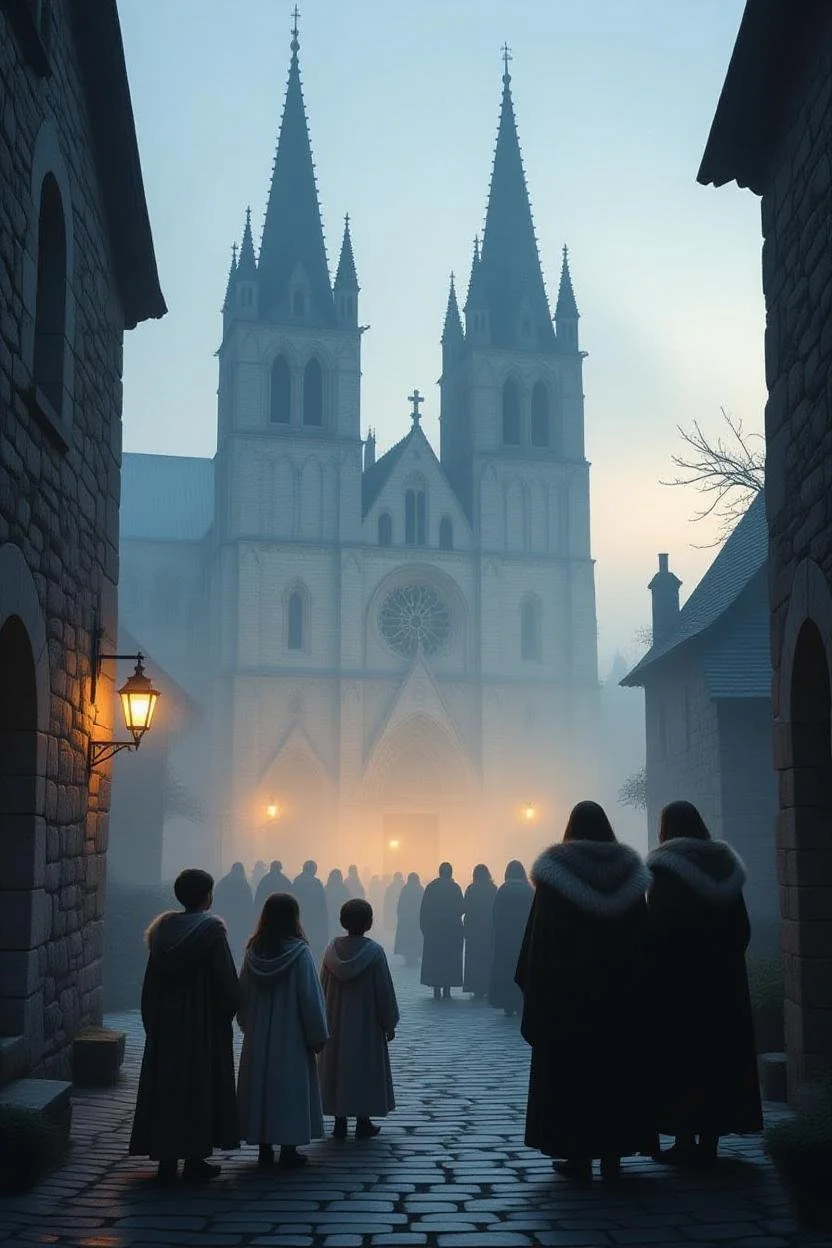
All Hallows’ Day: The Feast of All Saints
After the shadowed vigil of All Hallows’ Eve came the brightness of All Hallows’ Day—later called Hallowmas.
The name joins hallow (Old English hālga, “holy person”) and mass (from Latin missa, “Eucharistic service”).
It was the day when the Church lifted its gaze from the souls still journeying toward heaven to those who had already arrived.
Altars were dressed in white, bells rang across town and countryside, and processions wound through streets lit by candles. The message was clear: the darkness of death had been overcome by the light of sainthood.
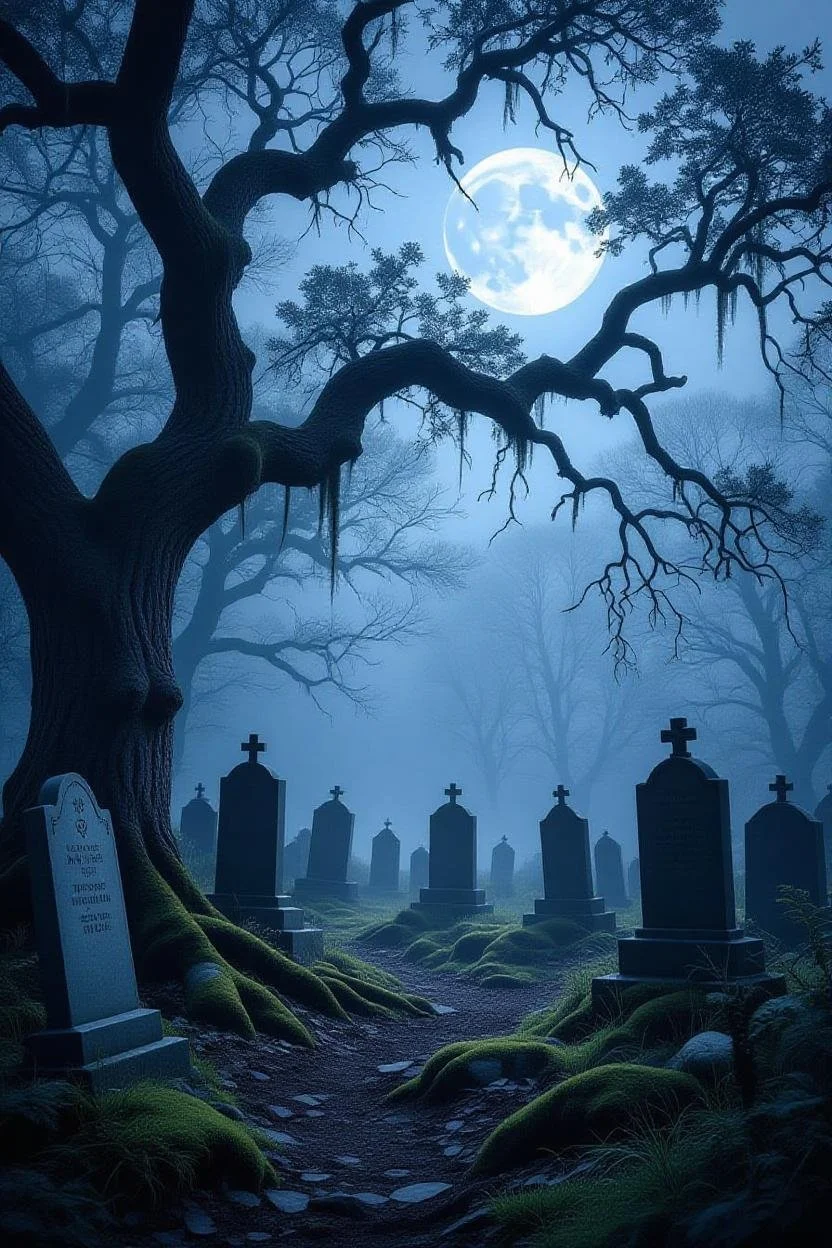
All Hallows’ Eve: The Vigil of the Departed
When twilight falls on 31 October, the Christian calendar and the old pagan year meet.
The Eve of All Hallows—from Old English hālga ǣfen (“holy evening”)—was the vigil before the Feast of All Saints.
Yet in spirit it still carried the echo of Samhain, the Celtic festival of endings and beginnings.
In pagan belief, this was the night when the barrier between worlds dissolved: the dead might revisit hearth and home, and the living could glimpse the Otherworld. Fires blazed, food was laid out for ancestors, and villagers disguised themselves to ward off or impersonate wandering spirits.
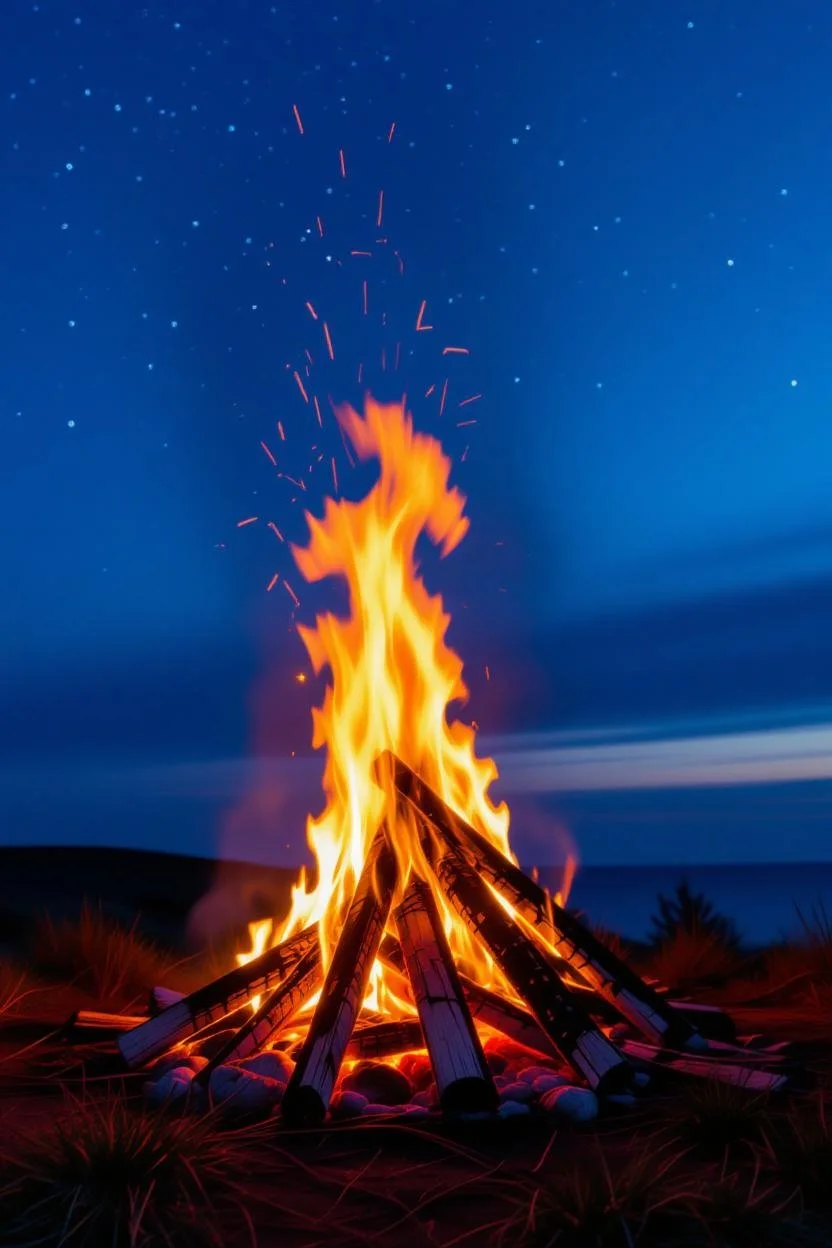
Lanterns and Mischief: From Samhain Fires to Punkie Night
In the ancient Celtic world, Samhain marked the moment when the year tipped into darkness. Bonfires blazed on hilltops, not as mere celebration but as protection—flames to cleanse, to guard livestock, and to guide wandering souls.
When Christianity spread, the bonfire’s symbolism endured. The Church kindled its own light—candles of vigil—burning in churchyards and windows on the eve of All Hallows’ Day, turning pagan flame into prayer.
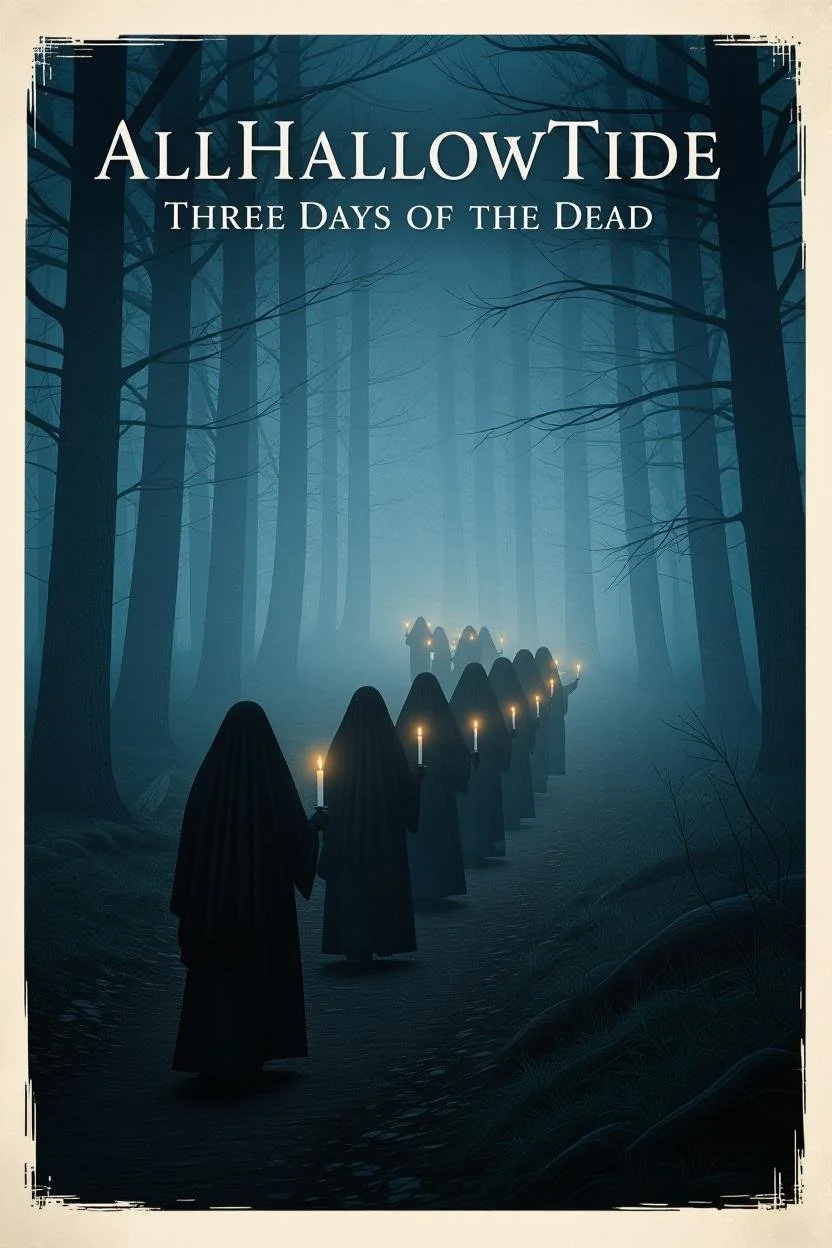
What Is Allhallowtide? The Three Days of the Dead…
As the last leaves fall and nights lengthen, the medieval calendar turns toward Allhallowtide—three days devoted to saints, souls, and the turning of the year.
The word comes from hallow (Old English hālga, “holy person”) and tīd (“time” or “season”).
For Christians of the Middle Ages, it was a sacred hinge between worlds: a time to honour the saints in heaven, pray for souls in Purgatory, and remember the dead on earth.
But these days did not arise from nowhere. Long before church bells rang, the Celts gathered at Samhain—literally “summer’s end.” The festival marked the boundary between the light and dark halves of the year, when harvest was over and the veil between living and dead grew thin.

What Languages Did Jews Speak in Medieval England?
In twelfth-century England, Jewish communities lived in a world of many languages: Hebrew for prayer and scholarship, Anglo-Norman French for daily life and business, early Yiddish among German-origin Jews, and Middle English among their neighbours. Here’s how that multilingual world shaped the Jewish characters in Lady of the Castle.
-
Biographies
- 12 Aug 2026 Reginald FitzUrse: The Bear Knight Who Slayed a Saint 12 Aug 2026
- 12 Aug 2026 Eleanor of Aquitaine: Queen, Duchess, and Mother of Rebels 12 Aug 2026
- 12 Aug 2026 Henry II of England – The Jailer of Queens 12 Aug 2026
- 11 Aug 2026 Geoffrey of Anjou: The Handsome Count Who Founded the Plantagenet Dynasty (Died 7th September 1151) 11 Aug 2026
- 3 Jul 2026 Lucy of Bolingbroke: The Woman Behind Lincoln Castle's Lucy Tower 3 Jul 2026
- 3 Jul 2026 Muriel of Lincoln 3 Jul 2026
-
Countries and Places
- 10 Aug 2026 Willikin of the Weald: Was He the Real Inspiration for Robin Hood? 10 Aug 2026
- 3 Aug 2026 The Real Sheriff of Nottingham? 3 Aug 2026
- 6 Jul 2026 Lincoln's Lost Castle: The Rise and Fall of Thorngate 6 Jul 2026
- 23 Jun 2026 Why the Plantenet Angevins Ruled Half of Europe 23 Jun 2026
- 22 Jun 2026 Bloodbath at the Lionheart’s Coronation 22 Jun 2026
-
Crime and Justice
- 12 Aug 2026 Henry II of England – The Jailer of Queens 12 Aug 2026
- 11 Aug 2026 Geoffrey de Mandeville – The Terror of Widows and Nuns 11 Aug 2026
- 11 Aug 2026 Philippe II (Augustus) of France Humiliated Queen Ingeborg 11 Aug 2026
- 11 Aug 2026 Fulk V of Anjou: the King Who Beat His Queen 11 Aug 2026
- 11 Aug 2026 Matthew of Boulogne: The Count Who Kidnapped a Nun 11 Aug 2026
-
Everyday Life
- 17 Aug 2026 Capons, Cocks and Hens: Keeping Chickens in Medieval England 17 Aug 2026
- 12 Aug 2026 All Souls’ Day: Soul Cakes, Prayer and Memory 12 Aug 2026
- 12 Aug 2026 All Hallows’ Day: The Feast of All Saints 12 Aug 2026
- 12 Aug 2026 All Hallows’ Eve: The Vigil of the Departed 12 Aug 2026
- 12 Aug 2026 Lanterns and Mischief: From Samhain Fires to Punkie Night 12 Aug 2026
- 12 Aug 2026 What Is Allhallowtide? The Three Days of the Dead… 12 Aug 2026
- 22 Jun 2026 What Languages Did Jews Speak in Medieval England? 22 Jun 2026
-
Historical Events
- 12 Aug 2026 Reginald FitzUrse: The Bear Knight Who Slayed a Saint 12 Aug 2026
- 12 Aug 2026 The Shadow of Becket: How a Murder Shook the Kingdom 12 Aug 2026
- 11 Aug 2026 Princes Without Power: Why Henry the Young King Rebelled 11 Aug 2026
- 27 Jul 2026 What really burned at York Castle in 1190? 27 Jul 2026
- 22 Jun 2026 The Battle of Fornham: When a Countess Rode to War and Changed Medieval England Forever 22 Jun 2026
-
Historical Fiction
- 12 Aug 2026 Zipporah, the Wife of Moses 12 Aug 2026
- 12 Aug 2026 The Revenant of Hereford: Walter Map’s Medieval Walking Dead 12 Aug 2026
-
People
- 12 Aug 2026 The Shadow of Becket: How a Murder Shook the Kingdom 12 Aug 2026
- 11 Aug 2026 Princes Without Power: Why Henry the Young King Rebelled 11 Aug 2026
- 10 Aug 2026 Willikin of the Weald: Was He the Real Inspiration for Robin Hood? 10 Aug 2026
- 3 Aug 2026 The Real Sheriff of Nottingham? 3 Aug 2026
-
Religion Magic and Belief
- 12 Aug 2026 All Souls’ Day: Soul Cakes, Prayer and Memory 12 Aug 2026
- 12 Aug 2026 All Hallows’ Day: The Feast of All Saints 12 Aug 2026
- 12 Aug 2026 All Hallows’ Eve: The Vigil of the Departed 12 Aug 2026
- 12 Aug 2026 The Revenant of Hereford: Walter Map’s Medieval Walking Dead 12 Aug 2026
- 12 Aug 2026 Lanterns and Mischief: From Samhain Fires to Punkie Night 12 Aug 2026
- 12 Aug 2026 What Is Allhallowtide? The Three Days of the Dead… 12 Aug 2026
- 27 Jul 2026 What really burned at York Castle in 1190? 27 Jul 2026
- 22 Jun 2026 Bloodbath at the Lionheart’s Coronation 22 Jun 2026
- 22 Jun 2026 What Languages Did Jews Speak in Medieval England? 22 Jun 2026
-
Time Periods
- 11 Aug 2026 Geoffrey of Anjou: The Handsome Count Who Founded the Plantagenet Dynasty (Died 7th September 1151) 11 Aug 2026
- 23 Jun 2026 Why the Plantenet Angevins Ruled Half of Europe 23 Jun 2026
-
Women in History
- 12 Aug 2026 Zipporah, the Wife of Moses 12 Aug 2026
- 12 Aug 2026 Eleanor of Aquitaine: Queen, Duchess, and Mother of Rebels 12 Aug 2026
- 11 Aug 2026 Geoffrey de Mandeville – The Terror of Widows and Nuns 11 Aug 2026
- 11 Aug 2026 Philippe II (Augustus) of France Humiliated Queen Ingeborg 11 Aug 2026
- 11 Aug 2026 Fulk V of Anjou: the King Who Beat His Queen 11 Aug 2026
- 11 Aug 2026 Matthew of Boulogne: The Count Who Kidnapped a Nun 11 Aug 2026
- 3 Jul 2026 Lucy of Bolingbroke: The Woman Behind Lincoln Castle's Lucy Tower 3 Jul 2026
- 3 Jul 2026 Muriel of Lincoln 3 Jul 2026
- 22 Jun 2026 The Battle of Fornham: When a Countess Rode to War and Changed Medieval England Forever 22 Jun 2026
- 1173-4 Great Rebellion
- 12th Century
- Adeliza de Meschines
- All Hallow Tide
- All Hallow's Eve
- Angevin Empire
- Becket's murder 1170
- Benedict of York
- Cantebury Cathedral Murder
- Canterbury Cathedral
- Christianity
- Clifford's Tower
- Coronation
- Countess of Chester
- Days of the Dead
- Death Rituals
- Earl of Leicester
- Eleanor of Aquitaine
- Eleanor of Aquitane Imprisonment
- England
- English civil war
- Faith and Folklore
- Falkes de Breaute
- female warriors
- Folklore
- Forgotten Women
- French Invasion 1216-17
- Geoffrey of Anjou
- Geoffrey of Mandeville
- Halloween
- Halloween History
- Henry II
- Henry II and Becket conflict
- Henry the Young King
- HerStory
- Historical Fiction
- Jack O' Lanterns
- Jews of York massacre
- King John
- Lady of Lincoln
- Lady of Lincoln Novel
- Lady of the Castle
- Lincoln Castle history
- Lincoln Lincolnshire
- lost castles England
- Lucy of Bolingbroke
- Magna Carta
- Massacre
- Medieval
- Medieval Convents Attacked
- Medieval Domestic Abuse
- Medieval England
- Medieval England and France
- Medieval France
- Medieval historical fiction
- Medieval History Blog
- Medieval Jews
- Medieval Marriages
- Medieval Misogyny
- medieval noblewomen
- Medieval Queens Imprisoned
- Medieval Villains
- medieval women
- Medieval Women's Resilience
- Misogyny in the Middle Ages
- Muriel of Lincoln
- Nicola de la Haye
- Norman Conquest
- Norman Invasion
- Nottingham Castle
- Outlaws
- Paganism
- Plantagenet dynasty
- Plantagenet kings
- Purgatory
- Ralph de la Haye
- Revenants
- Revolt of the Eaglets
- Richard de la Haye
- Richard the Lionheart
- Robber Barons
- Robert de Beaumont
- Robert de Condet Thorngate
- Robin Hood real person
- Samhain
- Soul Cakes
- Souling
- Spirit World
- The Anarchy
- The Three Days of the Dead
- Thomas Becket
- Thomas Becket Murder
- was Clifford’s Tower wooden
- Waterside North Broadgate history
- Why did Henry the Young King Rebel
- WIllikin of the Weald
- Women in History
- Yiddish
- Zipporah
- Zombies