
Reginald FitzUrse: The Bear Knight Who Slayed a Saint
On 29 December 1170, four armed knights pushed through the freezing rain towards Canterbury Cathedral. Their leader was Reginald FitzUrse—a man whose very name meant “son of the bear.” He would live up to it in every sense: fierce, proud, and dangerously impulsive.
When Thomas Becket fell beneath their swords that night, FitzUrse’s roar echoed through the nave. It was he who first laid hands on the archbishop, striking the blow that turned a quarrel between king and church into one of the most shocking crimes of the Middle Ages.
A Knight of the King’s Household
Little is known of FitzUrse’s early life. He came from a respectable Somerset family, holding lands at Willeton and Barham. Like many younger sons of the gentry, he found advancement in royal service. By the 1160s he was one of Henry II’s household knights—trusted, well-paid, and fiercely loyal to the king who rewarded courage and obedience above all else.
That loyalty, however, would prove fatal.

The Shadow of Becket: How a Murder Shook the Kingdom
For years, the quarrel between Henry II and Thomas Becket raged. Becket fled to France in 1164, finding refuge with King Louis VII—the same Louis who still burned with resentment against Henry II for marrying Eleanor of Aquitaine. The dispute became as much about politics as faith: two monarchs using one archbishop as a pawn.
In 1170, Henry and Becket made a fragile peace. The archbishop returned to England to cheers from the faithful. But within weeks, their conflict flared again when Becket excommunicated bishops loyal to the crown.
It was then, in a moment of fury, that Henry uttered the words chroniclers would never forget—perhaps not verbatim, but in essence:
“Will no one rid me of this turbulent priest?”
Four knights took him at his word.

Princes Without Power: Why Henry the Young King Rebelled
On 14 June 1170, in Westminster Abbey, England witnessed a rare spectacle: a king crowned in his father’s lifetime. The boy was Henry, eldest surviving son of Henry II and Eleanor of Aquitaine. At just fifteen, he was anointed, crowned, and hailed as rex iunior — the Young King.
It should have been the beginning of a glittering reign. Instead, it became the seed of betrayal.
Did you know? Henry the Young King’s coronation feast is covered in Lady of Lincoln.
A King Without a Kingdom
Despite the grandeur of his coronation, the Young King had no real authority. His father ruled with a firm hand and was unwilling to share power. Henry II kept hold of the castles, the revenues, and the decision-making. The son was left with ceremony but no substance.
Contemporaries pitied him. William of Newburgh remarked that the lad “was king in name only, while his father held the reins of government.” Others saw a prince who enjoyed the tournaments and glittering life of a knight but lacked the lands and soldiers that made a medieval ruler truly powerful.
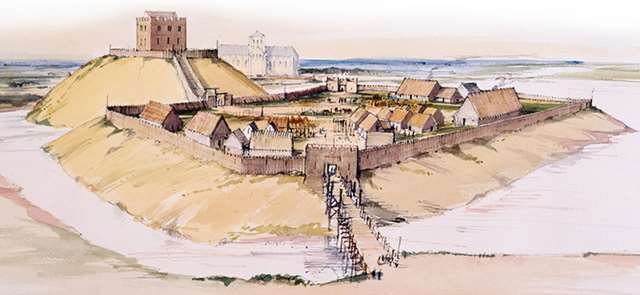
What really burned at York Castle in 1190?
York Castle in 1190 was a large motte-and-bailey complex, not merely a tower. The Jewish community was trapped in the inner stronghold on the motte. Although this is usually reconstructed as wholly wooden, William of Newburgh’s account of stones removed from an inner wall may indicate a stone shell keep containing timber buildings.
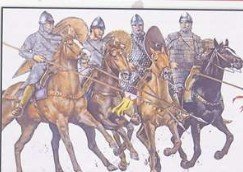
The Battle of Fornham: When a Countess Rode to War and Changed Medieval England Forever
In the mist-shrouded dawn of October 17, 1173, near the quiet Suffolk village of Fornham St. Genevieve, history was about to witness something remarkable. Not just another medieval battle between king and rebels, but the extraordinary tale of a countess who donned armor, took up lance and shield, and rode into battle alongside her husband against the Crown itself.
This is the story of Petronilla de Grandmesnil, Countess of Leicester – a woman whose courage would echo through the centuries, and whose fall into a muddy ditch would become one of the most memorable moments of medieval English warfare.
-
Biographies
- 12 Aug 2026 Reginald FitzUrse: The Bear Knight Who Slayed a Saint 12 Aug 2026
- 12 Aug 2026 Eleanor of Aquitaine: Queen, Duchess, and Mother of Rebels 12 Aug 2026
- 12 Aug 2026 Henry II of England – The Jailer of Queens 12 Aug 2026
- 11 Aug 2026 Geoffrey of Anjou: The Handsome Count Who Founded the Plantagenet Dynasty (Died 7th September 1151) 11 Aug 2026
- 3 Jul 2026 Lucy of Bolingbroke: The Woman Behind Lincoln Castle's Lucy Tower 3 Jul 2026
- 3 Jul 2026 Muriel of Lincoln 3 Jul 2026
-
Countries and Places
- 10 Aug 2026 Willikin of the Weald: Was He the Real Inspiration for Robin Hood? 10 Aug 2026
- 3 Aug 2026 The Real Sheriff of Nottingham? 3 Aug 2026
- 6 Jul 2026 Lincoln's Lost Castle: The Rise and Fall of Thorngate 6 Jul 2026
- 23 Jun 2026 Why the Plantenet Angevins Ruled Half of Europe 23 Jun 2026
- 22 Jun 2026 Bloodbath at the Lionheart’s Coronation 22 Jun 2026
-
Crime and Justice
- 12 Aug 2026 Henry II of England – The Jailer of Queens 12 Aug 2026
- 11 Aug 2026 Geoffrey de Mandeville – The Terror of Widows and Nuns 11 Aug 2026
- 11 Aug 2026 Philippe II (Augustus) of France Humiliated Queen Ingeborg 11 Aug 2026
- 11 Aug 2026 Fulk V of Anjou: the King Who Beat His Queen 11 Aug 2026
- 11 Aug 2026 Matthew of Boulogne: The Count Who Kidnapped a Nun 11 Aug 2026
-
Everyday Life
- 17 Aug 2026 Capons, Cocks and Hens: Keeping Chickens in Medieval England 17 Aug 2026
- 12 Aug 2026 All Souls’ Day: Soul Cakes, Prayer and Memory 12 Aug 2026
- 12 Aug 2026 All Hallows’ Day: The Feast of All Saints 12 Aug 2026
- 12 Aug 2026 All Hallows’ Eve: The Vigil of the Departed 12 Aug 2026
- 12 Aug 2026 Lanterns and Mischief: From Samhain Fires to Punkie Night 12 Aug 2026
- 12 Aug 2026 What Is Allhallowtide? The Three Days of the Dead… 12 Aug 2026
- 22 Jun 2026 What Languages Did Jews Speak in Medieval England? 22 Jun 2026
-
Historical Events
- 12 Aug 2026 Reginald FitzUrse: The Bear Knight Who Slayed a Saint 12 Aug 2026
- 12 Aug 2026 The Shadow of Becket: How a Murder Shook the Kingdom 12 Aug 2026
- 11 Aug 2026 Princes Without Power: Why Henry the Young King Rebelled 11 Aug 2026
- 27 Jul 2026 What really burned at York Castle in 1190? 27 Jul 2026
- 22 Jun 2026 The Battle of Fornham: When a Countess Rode to War and Changed Medieval England Forever 22 Jun 2026
-
Historical Fiction
- 12 Aug 2026 Zipporah, the Wife of Moses 12 Aug 2026
- 12 Aug 2026 The Revenant of Hereford: Walter Map’s Medieval Walking Dead 12 Aug 2026
-
People
- 12 Aug 2026 The Shadow of Becket: How a Murder Shook the Kingdom 12 Aug 2026
- 11 Aug 2026 Princes Without Power: Why Henry the Young King Rebelled 11 Aug 2026
- 10 Aug 2026 Willikin of the Weald: Was He the Real Inspiration for Robin Hood? 10 Aug 2026
- 3 Aug 2026 The Real Sheriff of Nottingham? 3 Aug 2026
-
Religion Magic and Belief
- 12 Aug 2026 All Souls’ Day: Soul Cakes, Prayer and Memory 12 Aug 2026
- 12 Aug 2026 All Hallows’ Day: The Feast of All Saints 12 Aug 2026
- 12 Aug 2026 All Hallows’ Eve: The Vigil of the Departed 12 Aug 2026
- 12 Aug 2026 The Revenant of Hereford: Walter Map’s Medieval Walking Dead 12 Aug 2026
- 12 Aug 2026 Lanterns and Mischief: From Samhain Fires to Punkie Night 12 Aug 2026
- 12 Aug 2026 What Is Allhallowtide? The Three Days of the Dead… 12 Aug 2026
- 27 Jul 2026 What really burned at York Castle in 1190? 27 Jul 2026
- 22 Jun 2026 Bloodbath at the Lionheart’s Coronation 22 Jun 2026
- 22 Jun 2026 What Languages Did Jews Speak in Medieval England? 22 Jun 2026
-
Time Periods
- 11 Aug 2026 Geoffrey of Anjou: The Handsome Count Who Founded the Plantagenet Dynasty (Died 7th September 1151) 11 Aug 2026
- 23 Jun 2026 Why the Plantenet Angevins Ruled Half of Europe 23 Jun 2026
-
Women in History
- 12 Aug 2026 Zipporah, the Wife of Moses 12 Aug 2026
- 12 Aug 2026 Eleanor of Aquitaine: Queen, Duchess, and Mother of Rebels 12 Aug 2026
- 11 Aug 2026 Geoffrey de Mandeville – The Terror of Widows and Nuns 11 Aug 2026
- 11 Aug 2026 Philippe II (Augustus) of France Humiliated Queen Ingeborg 11 Aug 2026
- 11 Aug 2026 Fulk V of Anjou: the King Who Beat His Queen 11 Aug 2026
- 11 Aug 2026 Matthew of Boulogne: The Count Who Kidnapped a Nun 11 Aug 2026
- 3 Jul 2026 Lucy of Bolingbroke: The Woman Behind Lincoln Castle's Lucy Tower 3 Jul 2026
- 3 Jul 2026 Muriel of Lincoln 3 Jul 2026
- 22 Jun 2026 The Battle of Fornham: When a Countess Rode to War and Changed Medieval England Forever 22 Jun 2026
- 1173-4 Great Rebellion
- 12th Century
- Adeliza de Meschines
- All Hallow Tide
- All Hallow's Eve
- Angevin Empire
- Becket's murder 1170
- Benedict of York
- Cantebury Cathedral Murder
- Canterbury Cathedral
- Christianity
- Clifford's Tower
- Coronation
- Countess of Chester
- Days of the Dead
- Death Rituals
- Earl of Leicester
- Eleanor of Aquitaine
- Eleanor of Aquitane Imprisonment
- England
- English civil war
- Faith and Folklore
- Falkes de Breaute
- female warriors
- Folklore
- Forgotten Women
- French Invasion 1216-17
- Geoffrey of Anjou
- Geoffrey of Mandeville
- Halloween
- Halloween History
- Henry II
- Henry II and Becket conflict
- Henry the Young King
- HerStory
- Historical Fiction
- Jack O' Lanterns
- Jews of York massacre
- King John
- Lady of Lincoln
- Lady of Lincoln Novel
- Lady of the Castle
- Lincoln Castle history
- Lincoln Lincolnshire
- lost castles England
- Lucy of Bolingbroke
- Magna Carta
- Massacre
- Medieval
- Medieval Convents Attacked
- Medieval Domestic Abuse
- Medieval England
- Medieval England and France
- Medieval France
- Medieval historical fiction
- Medieval History Blog
- Medieval Jews
- Medieval Marriages
- Medieval Misogyny
- medieval noblewomen
- Medieval Queens Imprisoned
- Medieval Villains
- medieval women
- Medieval Women's Resilience
- Misogyny in the Middle Ages
- Muriel of Lincoln
- Nicola de la Haye
- Norman Conquest
- Norman Invasion
- Nottingham Castle
- Outlaws
- Paganism
- Plantagenet dynasty
- Plantagenet kings
- Purgatory
- Ralph de la Haye
- Revenants
- Revolt of the Eaglets
- Richard de la Haye
- Richard the Lionheart
- Robber Barons
- Robert de Beaumont
- Robert de Condet Thorngate
- Robin Hood real person
- Samhain
- Soul Cakes
- Souling
- Spirit World
- The Anarchy
- The Three Days of the Dead
- Thomas Becket
- Thomas Becket Murder
- was Clifford’s Tower wooden
- Waterside North Broadgate history
- Why did Henry the Young King Rebel
- WIllikin of the Weald
- Women in History
- Yiddish
- Zipporah
- Zombies