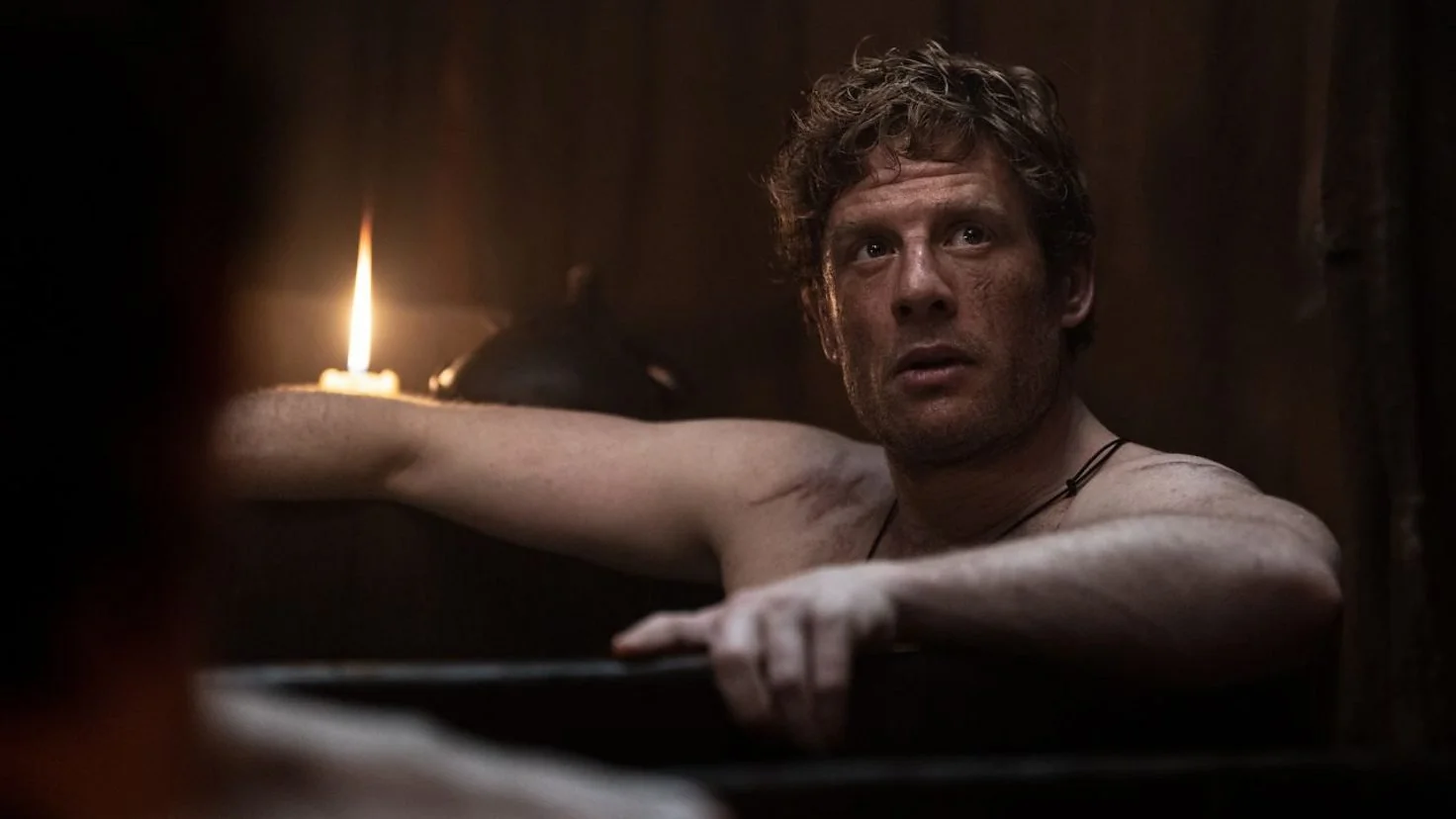
‘King and Conqueror’: How much truth-stretching is acceptable?
Welcome back to another Medieval Monday blog. After several posts dissecting the lead up to the Great Rebellion of 1173-4, today I’m switching focus to another seismic moment in English history: the Norman Conquest of England, as reimagined in the TV programme King & Conqueror.
The show has stirred plenty of excitement, and equally as much critique, about just how faithful a retelling it is. Because of that, I was loathe to watch it, but now I have, and here’s my view.
In short: yes, it draws on real events, but takes dramatic licence freely. The question is: when storytelling trumps scholarship, how much is too much?
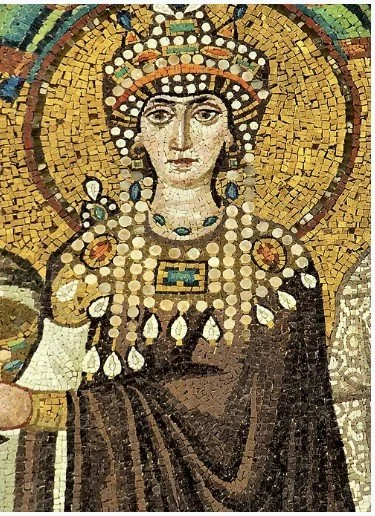
Empress Theodora of Byzantium: She Saved an Empire
The latest in the blog series is a special treat for me. I’ve long been fascinated, but a bit in the dark, about the Byzantine Empire.
But it seems few women of the early Middle Ages rose as far—or have been judged as harshly—as Empress Theodora of Byzantium. Rising from the margins of Constantinople’s theatre world to become one of the most powerful women in imperial history, Theodora’s story is one of intelligence, ambition, resilience, and reinvention. And like so many extraordinary women, she was both celebrated and vilified by her contemporaries.
Who Was Empress Theodora?
Born around 500 CE, Theodora started life far from the purple. Her father was a bear trainer for the Hippodrome’s Blue faction, and after his death, Theodora and her sisters were pushed into the theatre—an environment that in Byzantium sat somewhere between entertainment, politics, and scandal. According to the hostile historian Procopius (more on him later), Theodora’s early life involved performance, satire, and possibly sex work—though his account is so malicious that modern historians tread carefully.
What we do know is that Theodora was:
Exceptionally intelligent, known for her quick wit and sharp political instincts
Socially mobile in a rigid society, rising from performer to respected mistress of the imperial court
Deeply religious, eventually embracing Monophysite Christianity
A political partner, not merely a wife, to Emperor Justinian I
When Justinian became emperor in 527 CE, Theodora ruled alongside him as Augusta, wielding extraordinary influence—sometimes surpassing that of her husband.
The Nika Riots: A Moment That Defined an Empress
Medieval Advent
Everyone is talking about what they have in their advent calendars: chocolates, toys, even Star Wars characters! Advent also brings to mind glittering candles on wreaths, festive jumpers, Christmas markets, mulled wine, and the countdown to Christmas morning.
I haven’t met a single person (other than fellow medieval fiction authors) who have any idea that for medieval people, Advent was not a season of indulgence or celebration. It was a period of fasting, penance, self-examination, and preparation for the Second Coming rather than Santa’s sleigh.
The earliest evidence for Advent appears in the 4th century, particularly in Gaul and Spain, where Christians observed a multi-week fast before Epiphany rather than Christmas. This early “Nativity Fast” resembled Lent: No meat, no dairy, no rich foods, no marital relations (yes, this was explicitly addressed!). By the 6th century, Rome formalised a four-week liturgical season leading up to Christmas. But unlike today’s “anticipatory joy,” medieval Advent preached repentance, vigilance, and apocalyptic expectation.
The focus wasn’t solely on celebrating Christ’s birth. Advent was designed to prepare the soul for Christ’s return in judgement. Medieval sermons emphasised humility, fear of sin, confession, charitable giving, and moral renewal. The message was clear: Christmas might be coming, but so was Judgement Day!
If modern Advent is “countdown to the festivities,” medieval Advent was “brace yourself and prepare your soul.”
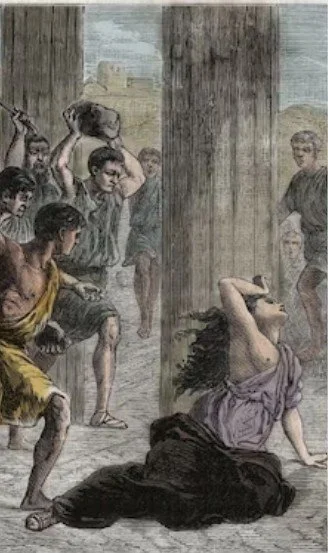
Hypatia of Alexandria
Few figures from the ancient world deserve as much wonder, controversy, and myth-making as Hypatia of Alexandria. Renowned as a philosopher, astronomer, and mathematician in a city often riven by political and religious turbulence, Hypatia has come to symbolise both the intellectual heights of late antiquity and the dangers faced by women who dared to wield knowledge and influence.
Who Was Hypatia?
Hypatia (c. 355–415 CE) was the daughter of Theon of Alexandria, himself a respected scholar and the last recorded member of the Museum—the great scholarly institution associated with the Library of Alexandria (interesting fact of the day about the term ‘Museum’). Raised in this environment, Hypatia received an exceptional education in mathematics, astronomy, and Platonic philosophy. By adulthood she had surpassed her father’s reputation, becoming:
A leading lecturer in Neoplatonism, attracting Christian, pagan, and Jewish students alike;
An authority in mathematics, editing and refining works such as Diophantus’s Arithmetica and Apollonius’s Conics;
A public intellectual, known for her counsel to civic leaders, including the Roman prefect Orestes
She was, quite simply, quite a woman!
Murder Most Foul

Medieval Succession: When Henry II’s Empire Imploded
When Successionfirst aired, audiences were transfixed by its portrait of a modern dynasty at war with itself: scheming heirs, a manipulative patriarch, and a fortune vast enough to make loyalty negotiable. But centuries before Logan Roy was terrifying his children in glass-walled boardrooms, another ruthless family feud was playing out across medieval Europe.
In 1173, the most powerful man in Christendom—King Henry II of England—faced a rebellion led not by rivals or barons, but by his own wife and sons. Chroniclers called it the Great Rebellion; historians often dub it the Revolt of the Eaglets, after the young “eagles” who turned on the parent bird.
And just like inSuccession, the real question was: who inherits the empire?
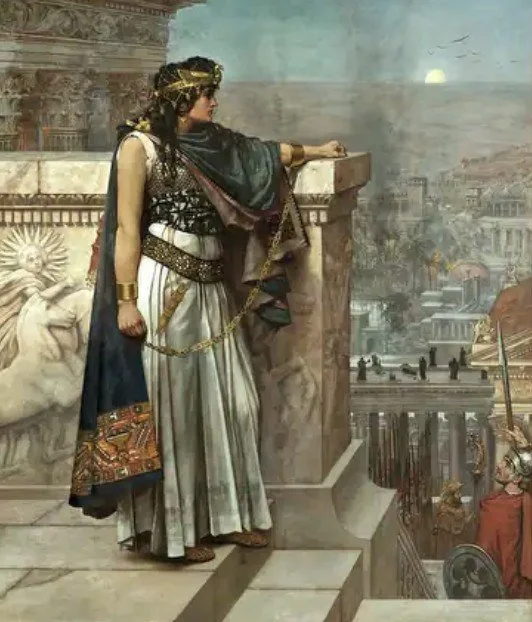
Zenobia of Palmyra: the Queen Who Defied Rome
In the third century CE, as Rome teetered on the brink of fragmentation, a woman from the desert city of Palmyra rose to challenge the empire itself.
Her name was Zenobia — scholar, strategist, queen, and for a brief, extraordinary moment, empress of the East.

Richard de Brito: The Forgotten Killer; and a very Dangerous Friend
In legend he struck the final blow; in fiction, he will cause a torrent of trouble for his friend William FitzErneis in Lady of Lincoln.
When Archbishop Thomas Becket was cut down before the altar of Canterbury Cathedral in December 1170, the man who delivered the fatal stroke was Richard de Brito—sometimes styled le Breton. His sword, witnesses said, split Becket’s skull so deeply that the blade snapped on the flagstones.
Unlike the other knights, de Brito cried out as he struck:
“Take that for the love of my lord William FitzEmpress!”
The words stunned those who heard them. He was killing the archbishop not in Henry II’s name, but in that of Henry’s brother—the late William FitzEmpress, Henry II’s brother.
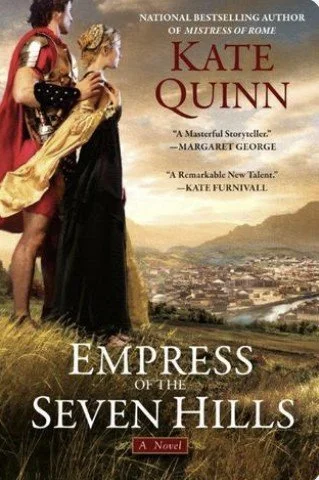
Vibia Sabina: Empress, Wife of Hadrian
I bet that if you think of Emperor Hadrian, you think about his great wall in the north of England. Possibly you might think of the Roman decadence of villas and statues made from marble. Yet beside him, often erased from the narrative, stood Vibia Sabina, his wife and Rome’s empress for more than four decades.
Her likeness survives on hundreds of coins, but her voice does not. She remains one of antiquity’s most silent women.
Hugh de Morville: The Knight Who Would Not Repent
Lord of Westmorland and Knaresborough, de Morville escaped execution, but not history’s judgment.
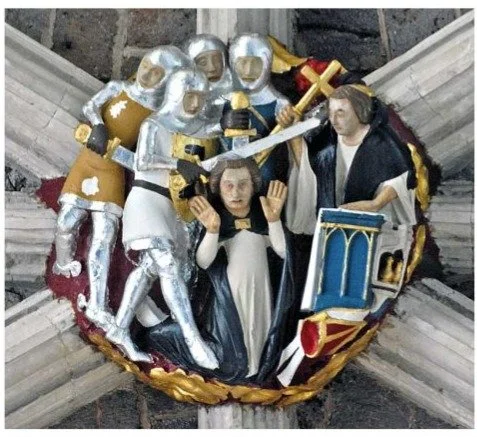
When Thomas Becket fell beneath the knights’ swords on that winter night in Canterbury, Hugh de Morville was there, but whether he struck or simply stood aside remains one of history’s greyest shadows.
He was the oldest of the four and the most powerful: Lord of Westmorland and Knaresborough, baron of the north, and keeper of one of the most formidable castles in England. While Reginald FitzUrse raged, William de Tracy hesitated, and Richard de Brito delivered the fatal blow, de Morville watched . But his silence proved to be as damning as any sword.

Claudia Procula, Pontius Pilate’s wife
Most of us know Pontius Pilate — the Roman governor who condemned Jesus to death. But how many of us know the woman who tried to stop him?
Claudia Procula (sometimes called Procula or Procla) appears only once in the New Testament, yet her brief act of conscience made her one of the most intriguing women in early Christian history, a woman caught between empire, superstition, and moral conviction.
William de Tracy: The Penitent Knight of Canterbury
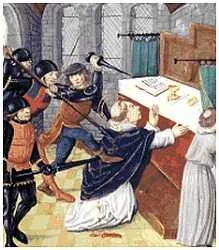
William de Tracy helped slay Thomas Becket—then sought forgiveness on a pilgrimage to Rome and the Holy Land. Can a murderer find redemption?
On that bitter December evening in 1170, when Thomas Becket, the Archbishop of Canterbury, fell beneath four flashing swords, one of those four blades belonged to Sir William de Tracy. Chroniclers called him the calmest of the murderers; steady-handed, methodical, a man who believed he was acting under royal command. Yet for the rest of his life, remorse and infamy would drive him abroad.
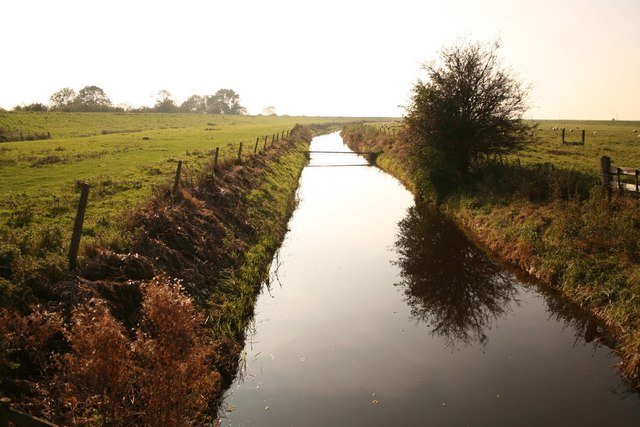
How Nicola de la Haye and Gerard de Camville Conquered the Sea, and Made a Deadly Enemy
Nicola de la Haye is remembered, rightly, as the woman who held Lincoln Castle through a number of sieges. But while researching her life for Lady of the Castle, I became fascinated by another battle being fought on her lands.
It was a battle against the sea.
And, rather unexpectedly, I discovered that Nicola and Gerard’s attempts to win that battle may also have helped create an enemy who would eventually bring an army to the gates of Lincoln Castle—and come close to having Gerard hanged for treason.
A county being built out of water
Much of Nicola’s land lay in southern Lincolnshire, including estates at Sutton and Lutton in what was then a very different landscape from the one we know today.
Large parts of the Lincolnshire fens were still marsh, saltmarsh and seasonally flooded ground. If you wanted more farmland, you could not simply clear a few trees and start ploughing.
First, you had to make the land.

Capons, Cocks and Hens: Keeping Chickens in Medieval England
If you were a chicken in medieval England, the worst thing you could be was male
We tend to picture the medieval farmyard as gently pastoral: hens scratching contentedly around the cottage, a cockerel crowing at dawn. That picture isn't wrong, exactly, it's just missing most of the story. Because from the moment a male chick hatched, the farmyard had already decided he was a problem to be solved: too many mouths, too much aggression, not enough usefulness. What happened to him next ranged from a quick death to a surgeon's knife to, for a smaller number, a fighting pit.
This is the story of the medieval chicken — hens, capons and cocks alike — but it's the males whose fate deserves the closer look.

Reginald FitzUrse: The Bear Knight Who Slayed a Saint
On 29 December 1170, four armed knights pushed through the freezing rain towards Canterbury Cathedral. Their leader was Reginald FitzUrse—a man whose very name meant “son of the bear.” He would live up to it in every sense: fierce, proud, and dangerously impulsive.
When Thomas Becket fell beneath their swords that night, FitzUrse’s roar echoed through the nave. It was he who first laid hands on the archbishop, striking the blow that turned a quarrel between king and church into one of the most shocking crimes of the Middle Ages.
A Knight of the King’s Household
Little is known of FitzUrse’s early life. He came from a respectable Somerset family, holding lands at Willeton and Barham. Like many younger sons of the gentry, he found advancement in royal service. By the 1160s he was one of Henry II’s household knights—trusted, well-paid, and fiercely loyal to the king who rewarded courage and obedience above all else.
That loyalty, however, would prove fatal.

Zipporah, the Wife of Moses
Most people, when they think of Moses, imagine him standing alone before Pharaoh or parting the Red Sea. Yet at his side was a woman—a wife, a foreigner, and a figure of quiet defiance: Zipporah, daughter of Jethro of Midian.
Who Was Zipporah?
Zipporah appears only briefly in the Book of Exodus, but her presence is unforgettable. She was one of seven daughters of a Midianite priest. When Moses fled Egypt after killing an overseer, he found refuge in Midian— and at a well, defended Jethro’s daughters from abusive shepherds. In gratitude, Jethro offered him hospitality and the hand of his daughter, Zipporah.
That is the story’s surface, but beneath it lies something far more intriguing: a woman who stepped outside her cultural boundaries to follow a fugitive foreigner; who raised children between two worlds; who faced the weight of Moses’s divine calling and still kept her own courage.

All Souls’ Day: Soul Cakes, Prayer and Memory
s the bells of All Saints’ Day fall silent, a gentler sound takes their place: the slow, measured knell for the departed.
2 November, All Souls’ Day, was the moment when the living turned their hearts toward those of the departed, the ordinary people, not the saints, who still journeyed through Purgatory.
The season of light ended not in mourning, but in the hope that love and prayer could reach beyond the grave.
Origins and Etymology
The word soul comes from Old English sawol, “the spiritual essence of a person.”
The “Mass of Souls,” or Soul Mass Day, was first proclaimed in 998 AD by Abbot Odilo of Cluny. He ordered that every monastery in his order should celebrate a Mass for “all the faithful departed.” From Cluny, the custom spread throughout Europe.
Yet its roots run deep into pagan soil.

All Hallows’ Day: The Feast of All Saints
After the shadowed vigil of All Hallows’ Eve came the brightness of All Hallows’ Day—later called Hallowmas.
The name joins hallow (Old English hālga, “holy person”) and mass (from Latin missa, “Eucharistic service”).
It was the day when the Church lifted its gaze from the souls still journeying toward heaven to those who had already arrived.
Altars were dressed in white, bells rang across town and countryside, and processions wound through streets lit by candles. The message was clear: the darkness of death had been overcome by the light of sainthood.

All Hallows’ Eve: The Vigil of the Departed
When twilight falls on 31 October, the Christian calendar and the old pagan year meet.
The Eve of All Hallows—from Old English hālga ǣfen (“holy evening”)—was the vigil before the Feast of All Saints.
Yet in spirit it still carried the echo of Samhain, the Celtic festival of endings and beginnings.
In pagan belief, this was the night when the barrier between worlds dissolved: the dead might revisit hearth and home, and the living could glimpse the Otherworld. Fires blazed, food was laid out for ancestors, and villagers disguised themselves to ward off or impersonate wandering spirits.

The Revenant of Hereford: Walter Map’s Medieval Walking Dead
It’s Halloween, or ‘All Halliow’s Eve’, stolen from the pagans! You might think it’s all jack-o’-lanterns, witches, and restless spirits, but long before pumpkins and trick-or-treaters, medieval storytellers were already spinning tales of the restless dead. One of the most chilling comes from Walter Map, a 12th-century courtier, wit, and author of De Nugis Curialium (Courtiers’ Trifles).
Did you know, Walter Map is a character in Rachel Elwiss Joyce’s second novel in the ‘Nicola de la Haye Series’?
Map’s collection of gossip, marvels, and supernatural tales contains one of England’s earliest written accounts of a revenant — a corpse that would not rest quietly in its grave.

Lanterns and Mischief: From Samhain Fires to Punkie Night
In the ancient Celtic world, Samhain marked the moment when the year tipped into darkness. Bonfires blazed on hilltops, not as mere celebration but as protection—flames to cleanse, to guard livestock, and to guide wandering souls.
When Christianity spread, the bonfire’s symbolism endured. The Church kindled its own light—candles of vigil—burning in churchyards and windows on the eve of All Hallows’ Day, turning pagan flame into prayer.
-
Biographies
- 31 Aug 2026 She Didn't Wait for Permission 31 Aug 2026
- 26 Aug 2026 Eleanor of Vermandois 26 Aug 2026
- 26 Aug 2026 Richard the Lionheart at Sixteen: the Making of a Warrior Duke 26 Aug 2026
- 25 Aug 2026 Hugh de Morville: The Knight Who Would Not Repent 25 Aug 2026
- 12 Aug 2026 Reginald FitzUrse: The Bear Knight Who Slayed a Saint 12 Aug 2026
- 12 Aug 2026 Eleanor of Aquitaine: Queen, Duchess, and Mother of Rebels 12 Aug 2026
- 12 Aug 2026 Henry II of England – The Jailer of Queens 12 Aug 2026
- 11 Aug 2026 Geoffrey of Anjou: The Handsome Count Who Founded the Plantagenet Dynasty (Died 7th September 1151) 11 Aug 2026
- 3 Jul 2026 Lucy of Bolingbroke: The Woman Behind Lincoln Castle's Lucy Tower 3 Jul 2026
- 3 Jul 2026 Muriel of Lincoln 3 Jul 2026
-
CrimeAndJustice
- 31 Aug 2026 The York Massacre, 16 March 1190: On this Day in History 31 Aug 2026
- 26 Aug 2026 A Rat, a Skull, and a Murder That History Never Solved 26 Aug 2026
- 25 Aug 2026 Richard de Brito: The Forgotten Killer; and a very Dangerous Friend 25 Aug 2026
- 25 Aug 2026 William de Tracy: The Penitent Knight of Canterbury 25 Aug 2026
- 12 Aug 2026 Henry II of England – The Jailer of Queens 12 Aug 2026
- 11 Aug 2026 Geoffrey de Mandeville – The Terror of Widows and Nuns 11 Aug 2026
- 11 Aug 2026 Philippe II (Augustus) of France Humiliated Queen Ingeborg 11 Aug 2026
- 11 Aug 2026 Fulk V of Anjou: the King Who Beat His Queen 11 Aug 2026
- 11 Aug 2026 Matthew of Boulogne: The Count Who Kidnapped a Nun 11 Aug 2026
-
EnglandAndAngevinEmpire
- 7 Sept 2026 The Treaty of Lambeth, 1217 7 Sept 2026
- 24 Aug 2026 How Nicola de la Haye and Gerard de Camville Conquered the Sea, and Made a Deadly Enemy 24 Aug 2026
- 10 Aug 2026 Willikin of the Weald: Was He the Real Inspiration for Robin Hood? 10 Aug 2026
- 3 Aug 2026 The Real Sheriff of Nottingham? 3 Aug 2026
- 6 Jul 2026 Lincoln's Lost Castle: The Rise and Fall of Thorngate 6 Jul 2026
- 23 Jun 2026 Why the Plantenet Angevins Ruled Half of Europe 23 Jun 2026
-
EverydayLife
- 26 Aug 2026 Medieval New Year's Eve: When Chaos Was the Point 26 Aug 2026
- 26 Aug 2026 Feasts, Folklore & Boar: A Medieval Christmas with a Dash of Wild Hunt Magic 26 Aug 2026
- 26 Aug 2026 A’Wassailing We Come! 26 Aug 2026
- 26 Aug 2026 Medieval Advent 26 Aug 2026
- 17 Aug 2026 Capons, Cocks and Hens: Keeping Chickens in Medieval England 17 Aug 2026
- 12 Aug 2026 All Souls’ Day: Soul Cakes, Prayer and Memory 12 Aug 2026
- 12 Aug 2026 All Hallows’ Day: The Feast of All Saints 12 Aug 2026
- 12 Aug 2026 All Hallows’ Eve: The Vigil of the Departed 12 Aug 2026
- 12 Aug 2026 Lanterns and Mischief: From Samhain Fires to Punkie Night 12 Aug 2026
- 12 Aug 2026 What Is Allhallowtide? The Three Days of the Dead… 12 Aug 2026
- 22 Jun 2026 What Languages Did Jews Speak in Medieval England? 22 Jun 2026
-
HistoricalEvents
- 16 Sept 2026 The Prayer That Outlived Him: Rabbi Yom Tov of Joigny (and York) 16 Sept 2026
- 7 Sept 2026 The Treaty of Lambeth, 1217 7 Sept 2026
- 31 Aug 2026 Magna Carta Day: The Meadow Where a King Was Made to Yield, and the Woman Who Saved It from Ruin 31 Aug 2026
- 31 Aug 2026 Battle of Lincoln 1217: The Woman Who Held the Castle That Saved England 31 Aug 2026
- 31 Aug 2026 The Sky is Falling! Halley's Comet, the Bayeux Tapestry, and the Four Portents in ‘Lady of the Castle’ 31 Aug 2026
- 31 Aug 2026 How a Birthday Party at Chinon Kickstarted a Civil War (5 March 1173) 31 Aug 2026
- 26 Aug 2026 A Rat, a Skull, and a Murder That History Never Solved 26 Aug 2026
- 26 Aug 2026 ‘King and Conqueror’: How much truth-stretching is acceptable? 26 Aug 2026
- 25 Aug 2026 Medieval Succession: When Henry II’s Empire Imploded 25 Aug 2026
- 25 Aug 2026 Richard de Brito: The Forgotten Killer; and a very Dangerous Friend 25 Aug 2026
- 25 Aug 2026 William de Tracy: The Penitent Knight of Canterbury 25 Aug 2026
- 12 Aug 2026 Reginald FitzUrse: The Bear Knight Who Slayed a Saint 12 Aug 2026
- 12 Aug 2026 The Shadow of Becket: How a Murder Shook the Kingdom 12 Aug 2026
- 11 Aug 2026 Princes Without Power: Why Henry the Young King Rebelled 11 Aug 2026
- 27 Jul 2026 What really burned at York Castle in 1190? 27 Jul 2026
- 22 Jun 2026 The Battle of Fornham: When a Countess Rode to War and Changed Medieval England Forever 22 Jun 2026
-
HistoricalFiction
- 26 Aug 2026 Warrior Monks on the Lincolnshire Heath 26 Aug 2026
- 26 Aug 2026 Nicola de la Haye 26 Aug 2026
- 26 Aug 2026 Fastrada: Charlemagne’s Queen History Tried to Forget 26 Aug 2026
- 26 Aug 2026 Wu Zetian: The Woman Who Ruled an Empire 26 Aug 2026
- 26 Aug 2026 ‘King and Conqueror’: How much truth-stretching is acceptable? 26 Aug 2026
- 26 Aug 2026 Empress Theodora of Byzantium: She Saved an Empire 26 Aug 2026
- 26 Aug 2026 Hypatia of Alexandria 26 Aug 2026
- 25 Aug 2026 Zenobia of Palmyra: the Queen Who Defied Rome 25 Aug 2026
- 25 Aug 2026 Vibia Sabina: Empress, Wife of Hadrian 25 Aug 2026
- 25 Aug 2026 Claudia Procula, Pontius Pilate’s wife 25 Aug 2026
- 12 Aug 2026 Zipporah, the Wife of Moses 12 Aug 2026
- 12 Aug 2026 The Revenant of Hereford: Walter Map’s Medieval Walking Dead 12 Aug 2026
-
People
- 26 Aug 2026 The Saxon Secret to Avoiding a Bad Ruler 26 Aug 2026
- 25 Aug 2026 Medieval Succession: When Henry II’s Empire Imploded 25 Aug 2026
- 24 Aug 2026 How Nicola de la Haye and Gerard de Camville Conquered the Sea, and Made a Deadly Enemy 24 Aug 2026
- 12 Aug 2026 The Shadow of Becket: How a Murder Shook the Kingdom 12 Aug 2026
- 11 Aug 2026 Princes Without Power: Why Henry the Young King Rebelled 11 Aug 2026
- 10 Aug 2026 Willikin of the Weald: Was He the Real Inspiration for Robin Hood? 10 Aug 2026
- 3 Aug 2026 The Real Sheriff of Nottingham? 3 Aug 2026
-
ReligionMagicandBelief
- 16 Sept 2026 The Prayer That Outlived Him: Rabbi Yom Tov of Joigny (and York) 16 Sept 2026
- 3 Sept 2026 Bloodbath at the Lionheart’s Coronation 3 Sept 2026
- 31 Aug 2026 The Sky is Falling! Halley's Comet, the Bayeux Tapestry, and the Four Portents in ‘Lady of the Castle’ 31 Aug 2026
- 31 Aug 2026 The York Massacre, 16 March 1190: On this Day in History 31 Aug 2026
- 26 Aug 2026 Warrior Monks on the Lincolnshire Heath 26 Aug 2026
- 26 Aug 2026 Friday the 13th Superstitions? 26 Aug 2026
- 26 Aug 2026 Feasts, Folklore & Boar: A Medieval Christmas with a Dash of Wild Hunt Magic 26 Aug 2026
- 26 Aug 2026 Medieval Advent 26 Aug 2026
- 25 Aug 2026 Hugh de Morville: The Knight Who Would Not Repent 25 Aug 2026
- 12 Aug 2026 All Souls’ Day: Soul Cakes, Prayer and Memory 12 Aug 2026
- 12 Aug 2026 All Hallows’ Day: The Feast of All Saints 12 Aug 2026
- 12 Aug 2026 All Hallows’ Eve: The Vigil of the Departed 12 Aug 2026
- 12 Aug 2026 The Revenant of Hereford: Walter Map’s Medieval Walking Dead 12 Aug 2026
- 12 Aug 2026 Lanterns and Mischief: From Samhain Fires to Punkie Night 12 Aug 2026
- 12 Aug 2026 What Is Allhallowtide? The Three Days of the Dead… 12 Aug 2026
- 27 Jul 2026 What really burned at York Castle in 1190? 27 Jul 2026
- 22 Jun 2026 What Languages Did Jews Speak in Medieval England? 22 Jun 2026
-
TimePeriods
- 31 Aug 2026 How a Birthday Party at Chinon Kickstarted a Civil War (5 March 1173) 31 Aug 2026
- 26 Aug 2026 Friday the 13th Superstitions? 26 Aug 2026
- 26 Aug 2026 Richard the Lionheart at Sixteen: the Making of a Warrior Duke 26 Aug 2026
- 11 Aug 2026 Geoffrey of Anjou: The Handsome Count Who Founded the Plantagenet Dynasty (Died 7th September 1151) 11 Aug 2026
- 23 Jun 2026 Why the Plantenet Angevins Ruled Half of Europe 23 Jun 2026
-
WomeninHistory
- 31 Aug 2026 Magna Carta Day: The Meadow Where a King Was Made to Yield, and the Woman Who Saved It from Ruin 31 Aug 2026
- 31 Aug 2026 Battle of Lincoln 1217: The Woman Who Held the Castle That Saved England 31 Aug 2026
- 31 Aug 2026 She Didn't Wait for Permission 31 Aug 2026
- 26 Aug 2026 The Saxon Secret to Avoiding a Bad Ruler 26 Aug 2026
- 26 Aug 2026 Nicola de la Haye 26 Aug 2026
- 26 Aug 2026 Eleanor of Vermandois 26 Aug 2026
- 26 Aug 2026 Fastrada: Charlemagne’s Queen History Tried to Forget 26 Aug 2026
- 26 Aug 2026 Wu Zetian: The Woman Who Ruled an Empire 26 Aug 2026
- 26 Aug 2026 Empress Theodora of Byzantium: She Saved an Empire 26 Aug 2026
- 26 Aug 2026 Hypatia of Alexandria 26 Aug 2026
- 25 Aug 2026 Zenobia of Palmyra: the Queen Who Defied Rome 25 Aug 2026
- 25 Aug 2026 Vibia Sabina: Empress, Wife of Hadrian 25 Aug 2026
- 25 Aug 2026 Claudia Procula, Pontius Pilate’s wife 25 Aug 2026
- 12 Aug 2026 Zipporah, the Wife of Moses 12 Aug 2026
- 12 Aug 2026 Eleanor of Aquitaine: Queen, Duchess, and Mother of Rebels 12 Aug 2026
- 11 Aug 2026 Geoffrey de Mandeville – The Terror of Widows and Nuns 11 Aug 2026
- 11 Aug 2026 Philippe II (Augustus) of France Humiliated Queen Ingeborg 11 Aug 2026
- 11 Aug 2026 Fulk V of Anjou: the King Who Beat His Queen 11 Aug 2026
- 11 Aug 2026 Matthew of Boulogne: The Count Who Kidnapped a Nun 11 Aug 2026
- 3 Jul 2026 Lucy of Bolingbroke: The Woman Behind Lincoln Castle's Lucy Tower 3 Jul 2026
- 3 Jul 2026 Muriel of Lincoln 3 Jul 2026
- 22 Jun 2026 The Battle of Fornham: When a Countess Rode to War and Changed Medieval England Forever 22 Jun 2026
- 1173-4 Great Rebellion
- 12th Century
- 12th Century History
- Adeliza de Meschines
- All Hallow Tide
- All Hallow's Eve
- Angevin Empire
- Battle of Lincoln
- Battle of Lincoln 1217
- Battle of Sandwich 1217
- Bayeux Tapestry Comet Scene
- Becket Martyrdom 1170
- Becket's Assassins
- Becket's murder 1170
- Biblical Women
- Canterbury Cathedral
- Christianity
- Christmas
- Clifford's Tower
- Clifford's Tower massacre
- Coronation
- Crusade
- Eclipses
- Eleanor of Aquitaine
- Eleanor of Aquitane Imprisonment
- England
- Folklore
- Forgotten Women
- Forgotten Women of History
- Geoffrey of Anjou
- Gerard de Camville
- Halloween
- Henry II
- Henry II and Becket conflict
- Henry II and Eleanor of Aquitaine
- Henry the Young King
- Historical Fiction
- Household Knights
- Jack O' Lanterns
- King John
- Knights Who Killed Thomas Becket
- Lady of England
- Lady of Lincoln
- Lady of Lincoln Novel
- Lady of the Castle
- Lincoln Castle
- Lincoln Castle history
- Magna Carta
- Medieval
- Medieval Antisemitism
- Medieval Christmas
- Medieval Convents Attacked
- Medieval Customs
- Medieval England
- Medieval England and France
- Medieval Feasts
- Medieval France
- Medieval historical fiction
- Medieval History
- medieval Jewish history
- Medieval Jews
- Medieval Lincolnshire
- Medieval Misogyny
- Medieval Queens
- medieval women
- Misogyny in the Middle Ages
- Muriel of Lincoln
- Myths and Legend
- Nicholaa de la Haye
- Nicholaa de la Haye novel
- Nicola de la Haye
- Nicola de la Haye historical fiction
- Nicola de la Haye novel
- Norman Conquest
- Norman Invasion
- Pagan Traditions
- Paganism
- Plantagenet dynasty
- Plantagenet kings
- Plantagenet Princes
- Purgatory
- Ralph de la Haye
- Revenants
- Revolt of the Eaglets
- Richard I
- Richard the Lionheart
- Robert de Condet Thorngate
- Romans
- Samhain
- Saxons
- Spirit World
- The Anarchy
- Thomas Becket
- Thomas Becket Murder
- William FitzErneis
- Women in History
- women in medieval England
- York Jewish massacre 1190
- York massacre 1190
- Æthelflæd